

When Is Wisdom Teeth Removal Necessary? | Young Family Dental Herriman
Wisdom teeth are the last permanent teeth to develop, usually appearing during the late teenage years or early adulthood. For some people, they come in normally and never cause a problem. For others, there simply isn’t enough room in the mouth for these additional molars.
When wisdom teeth become impacted, painful, infected, or difficult to keep clean, removing them may be recommended to protect your oral health.
At Young Family Dental Herriman, we can evaluate the position and development of your wisdom teeth and help you understand whether they can safely remain in place or whether wisdom teeth removal should be considered.
What Are Wisdom Teeth?
Wisdom teeth are your third molars, located at the very back of the mouth.
Most people develop up to four wisdom teeth—two on the top and two on the bottom. However, some people develop fewer, and others don’t develop wisdom teeth at all.
Because wisdom teeth erupt later than your other permanent teeth, the rest of your smile is usually already established by the time they begin coming in.
If there isn’t enough space for them, wisdom teeth may become trapped beneath the gums, grow at an angle, or only partially erupt.
Does Everyone Need Their Wisdom Teeth Removed?
No.
Wisdom teeth don’t automatically need to be removed simply because they’re present.
If your wisdom teeth are:
- Healthy
- Fully erupted
- Positioned appropriately
- Easy to brush and floss
- Not damaging neighboring teeth
- Free of decay or gum problems
your dentist may recommend monitoring them rather than removing them.
Regular dental examinations and appropriate X-rays can help your dentist watch for changes over time.
What Is an Impacted Wisdom Tooth?
An impacted wisdom tooth is a tooth that cannot fully erupt into its normal position.
It may remain completely beneath the gums or only partially emerge.
Wisdom teeth can become impacted because there isn’t enough room in the jaw, another tooth blocks their path, or they develop at an angle.
An impacted tooth doesn’t always cause immediate pain. However, depending on its position, it may increase the risk of certain dental problems.
Signs Your Wisdom Teeth May Need Attention
Wisdom teeth can cause several symptoms when they begin creating problems.
You may notice:
- Pain at the back of the mouth
- Swollen or tender gums
- Jaw soreness
- Difficulty opening your mouth comfortably
- Pain while chewing
- Bad breath
- An unpleasant taste
- Swelling around the jaw
- Food becoming trapped near the back molars
- Repeated irritation around a partially erupted tooth
These symptoms don’t necessarily mean extraction is the only solution, but they are good reasons to schedule a dental evaluation.
When Is Wisdom Teeth Removal Necessary?
There isn’t one universal reason for removing wisdom teeth.
Your dentist will consider the position of the teeth, your symptoms, your age, your oral health, and whether the wisdom teeth are causing or are likely to cause specific problems.
Here are some common reasons removal may be recommended.
1. Your Wisdom Tooth Is Causing Pain
Pain is one of the most obvious signs that something may be wrong.
You might experience a dull ache at the back of your jaw, tenderness when chewing, or discomfort that comes and goes as the tooth attempts to erupt.
Pain can have several possible causes, including inflammation, infection, decay, or pressure involving surrounding tissues.
Rather than assuming the discomfort is simply part of “getting your wisdom teeth,” have persistent pain evaluated.
2. The Gums Around the Tooth Keep Getting Infected
A partially erupted wisdom tooth can create a flap of gum tissue where bacteria and food debris become trapped.
This can lead to inflammation or infection around the tooth, a condition known as pericoronitis.
Symptoms may include:
- Red or swollen gums
- Pain
- Tenderness
- Bad taste
- Bad breath
- Difficulty opening the mouth
- Swelling
If these problems repeatedly occur around a wisdom tooth, removal may be recommended.
3. The Wisdom Tooth Has a Cavity
Wisdom teeth are located at the very back of the mouth, which can make them difficult to brush and floss thoroughly.
Plaque and food debris may accumulate around them, increasing the risk of tooth decay.
A cavity in a wisdom tooth doesn’t automatically mean extraction is necessary. However, if the tooth is difficult to restore or keep clean, removal may make more sense than repeatedly treating problems.
Your dentist will consider the condition and position of the tooth before recommending treatment.
4. The Wisdom Tooth Is Affecting the Tooth Next to It
A wisdom tooth that grows at an angle may press against the second molar directly in front of it.
This positioning can create areas that are difficult to clean and may contribute to decay, gum problems, or damage involving the neighboring tooth.
Protecting the healthy second molar is an important consideration when deciding whether an impacted wisdom tooth should be removed.
5. A Cyst Develops Around the Tooth
Although less common, certain impacted teeth can be associated with cysts.
A cyst can affect the surrounding jawbone or nearby teeth.
These problems may be discovered on dental X-rays before you notice obvious symptoms.
If imaging shows a concerning change around an impacted wisdom tooth, removal and additional treatment may be recommended.
6. The Tooth Is Difficult to Keep Clean
A wisdom tooth doesn’t necessarily have to hurt to cause problems.
Sometimes the tooth erupts at an angle or only partially emerges, making effective brushing and flossing extremely difficult.
If plaque consistently accumulates around the area, your risk of cavities and gum inflammation may increase.
Your dentist can evaluate whether the tooth can realistically be maintained over the long term.
Can Wisdom Teeth Cause Crowding?
Wisdom teeth are often blamed for pushing the front teeth together, but dental crowding is more complicated than simply having third molars.
Teeth can shift over time for several reasons, and removing wisdom teeth isn’t generally considered a guaranteed way to prevent future crowding.
Instead, wisdom teeth removal decisions are typically based on the health, position, symptoms, and specific risks associated with the teeth themselves.
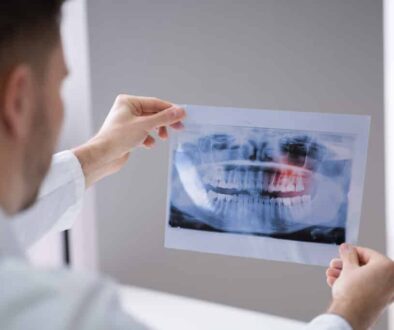
Why Do Dentists Take X-Rays of Wisdom Teeth?
A wisdom tooth may look fine above the gums while important information remains hidden underneath.
Dental X-rays allow your dentist to evaluate:
- The angle of the wisdom tooth
- Whether it is impacted
- Root development
- Available space
- Nearby teeth
- Surrounding bone
- Certain signs of disease or damage
For lower wisdom teeth, imaging can also help your provider assess the relationship between the tooth roots and nearby anatomical structures.
This information is important when determining whether removal is appropriate and planning treatment.
When Do Wisdom Teeth Usually Come In?
Wisdom teeth commonly begin erupting between the late teenage years and early twenties, although timing varies from person to person.
Dentists may begin monitoring third molars before they erupt.
This doesn’t mean they need to be removed immediately. Monitoring development allows your dentist to recognize potential problems and discuss treatment at an appropriate time.
Is It Better to Remove Wisdom Teeth Earlier?
When extraction is indicated, age and tooth development can be factors in treatment planning.
Younger patients may sometimes have less developed roots and may recover differently than older adults. However, age alone doesn’t determine whether wisdom teeth should be removed.
The decision should be based on your individual dental health and the risks and benefits of treatment.
A dental evaluation can help determine whether removal is currently necessary or whether continued monitoring is reasonable.
What Happens During Wisdom Teeth Removal?
The exact procedure depends on whether the wisdom tooth has fully erupted or remains partially or completely impacted.
Before treatment, your provider will review your examination and imaging and discuss what to expect.
An erupted tooth may be removed similarly to another dental extraction. An impacted tooth may require access through the gum tissue and, in some cases, removal of a small amount of surrounding bone or sectioning of the tooth.
Appropriate anesthesia is used to keep you comfortable during the procedure.
Depending on the complexity of your case, treatment may be performed by your dentist or you may be referred to an oral surgeon.
What Is Recovery Like After Wisdom Teeth Removal?
Recovery varies depending on the number of teeth removed and the complexity of the procedure.
It’s common to experience some swelling, tenderness, and soreness during the first several days.
Following your post-treatment instructions can help support healing.
You may be advised to:
- Rest after the procedure
- Use cold packs as directed
- Eat soft foods initially
- Drink plenty of fluids
- Take medications according to instructions
- Avoid smoking or vaping
- Avoid using straws during early healing
- Keep the mouth clean according to your provider’s directions
- Gradually return to normal foods and activities
Contact your dental provider if symptoms become significantly worse rather than gradually improving.
What Is Dry Socket?
After a tooth is removed, a blood clot normally forms in the socket and protects the underlying bone and nerves during early healing.
Dry socket can occur if that clot is lost or breaks down too soon.
It may cause significant pain that develops or worsens a few days after the extraction and can sometimes radiate toward the ear or jaw.
Following your provider’s instructions—particularly regarding smoking, vaping, straws, and oral hygiene—can help reduce your risk.
If you think you may have dry socket, contact your dental provider for evaluation and treatment.
Can You Keep Your Wisdom Teeth?
Absolutely.
If your wisdom teeth are healthy, functional, positioned normally, and easy to clean, they may not require removal.
However, they still need regular care.
Brush your back molars carefully, floss around them, and keep up with routine dental examinations so your dentist can monitor for decay, gum disease, or other changes.
Wisdom teeth that are kept should be treated like every other tooth in your mouth.
Don’t Ignore Wisdom Tooth Pain
It’s tempting to wait and see if discomfort at the back of your mouth disappears on its own.
While temporary tenderness may occur as a tooth erupts, persistent or recurring pain deserves attention.
Seek dental care if you develop significant pain, swelling, difficulty opening your mouth, drainage, a bad taste, or other signs of infection.
If swelling becomes severe or you experience difficulty swallowing or breathing, seek urgent medical attention.
Find Out If Your Wisdom Teeth Need to Be Removed
Having wisdom teeth doesn’t automatically mean you need an extraction.
Some third molars remain healthy for a lifetime, while others become impacted, infected, decayed, or difficult to maintain.
The best way to know what’s happening is through a dental examination and appropriate imaging.
At Young Family Dental Herriman, we can evaluate your wisdom teeth, discuss any symptoms you’re experiencing, and help determine whether monitoring or removal is appropriate for your smile.
If your wisdom teeth are causing pain or you’re unsure whether they need to come out, contact Young Family Dental Herriman to schedule an evaluation.