



Make Sure Your Smile is Ready for Summer in American Fork
Summer in American Fork is all about sunshine, travel, outdoor fun, and plenty of photo-worthy moments. Whether you’re heading out on vacation, attending events, or just enjoying time with family, your smile plays a big role in how confident you feel.
If it’s been a while since your last dental visit, now is the perfect time to get ahead of the season. At Young Family Dental American Fork, we help patients refresh, protect, and brighten their smiles so they can enjoy summer without worrying about dental issues.
Why You Should Prep Your Smile Before Summer
Once summer begins, schedules tend to fill up quickly with trips, camps, and activities. Waiting too long to book your appointment can make it harder to get in—or leave little time to address any concerns.
Getting your dental care done early means:
- No last-minute dental surprises during vacations
- Time to complete any needed treatments
- More flexibility with appointment scheduling
- Confidence heading into summer events
Think of it as getting your smile “vacation-ready.”
Start with a Professional Cleaning
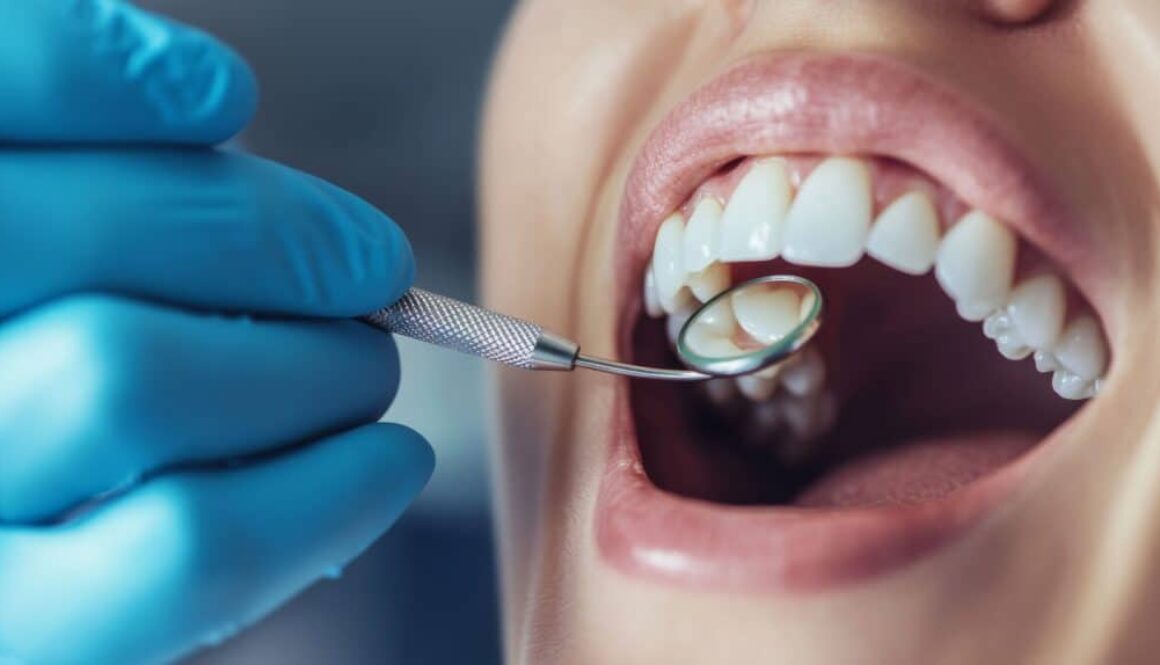
A professional cleaning is one of the easiest ways to reset your oral health and give your smile a fresh start.
Benefits Include:
- Removing plaque and tartar buildup
- Preventing cavities and gum disease
- Polishing away surface stains
- Leaving your teeth feeling smooth and clean
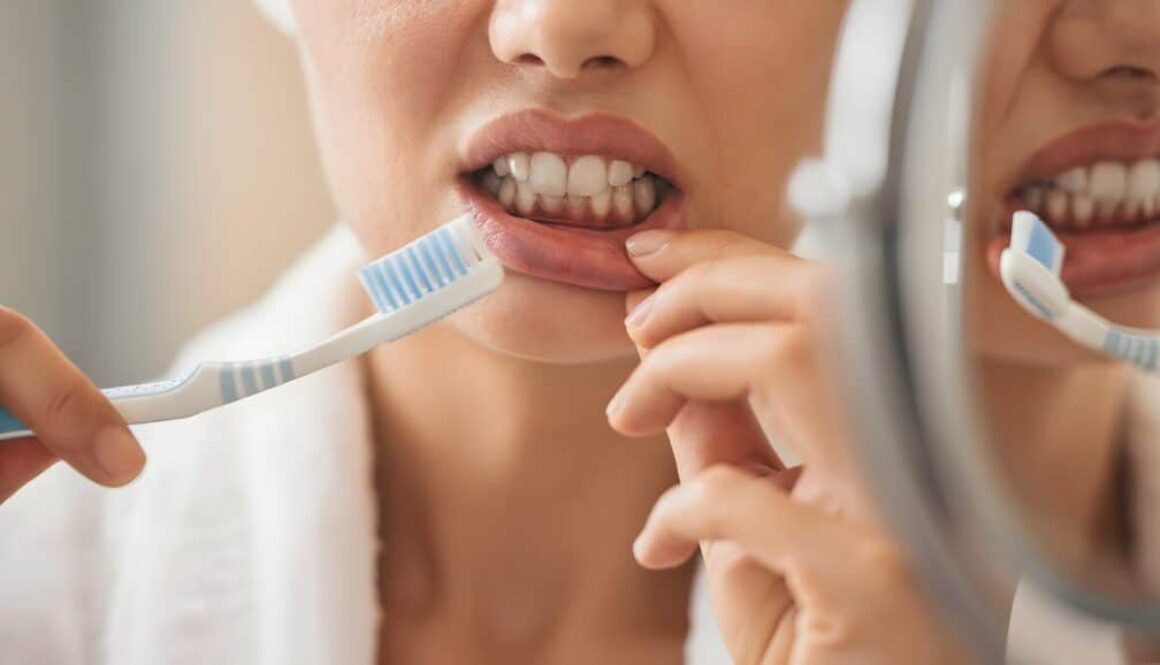
Even with great brushing habits, there are areas that only a dental professional can fully clean.
Brighten Your Smile for the Season
If your teeth are looking a little dull after winter, professional whitening can help you achieve a brighter, more refreshed appearance.
Whitening Is Ideal For:
- Removing stains from coffee, tea, or wine
- Boosting confidence for photos and events
- Enhancing your overall smile
A brighter smile can make a noticeable difference—especially during a season filled with social gatherings.
Fix Small Issues Before They Become Big Problems
A small dental issue can quickly turn into a bigger problem—especially when you’re busy or traveling.
Before summer begins, it’s a good idea to address:
- Minor cavities
- Small chips or cracks
- Early gum inflammation
- Tooth sensitivity
Taking care of these now helps you avoid discomfort and unexpected dental visits later.
Get the Kids Summer-Ready Too
For families in American Fork, summer often means a change in routine for kids. Getting their dental visits done early keeps them on track and ready for the season.
Why It Matters:
- Helps prevent cavities during snack-heavy summer months
- Ensures their teeth are healthy for camps and sports
- Keeps their oral hygiene routine consistent
Plus, it’s one less thing to worry about once summer activities begin.
Consider Preventive Treatments
Preventive care is a great way to protect your smile while routines shift during summer.
Options May Include:
- Fluoride treatments to strengthen enamel
- Dental sealants to protect cavity-prone teeth
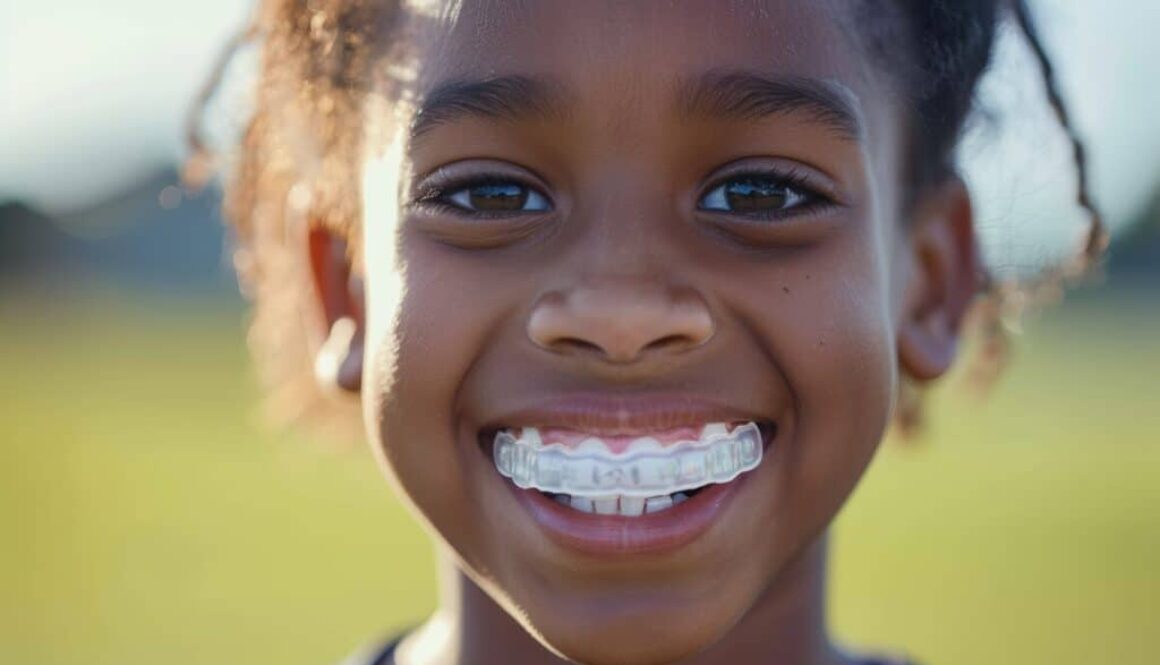
- Nightguards for teeth grinding
These treatments provide an extra layer of protection so you can enjoy the season worry-free.
Be Ready for Every Summer Photo
From vacations to family gatherings, summer is full of moments you’ll want to capture. Feeling confident in your smile makes those memories even better.
A quick dental visit can help you:
- Smile confidently in photos
- Feel more comfortable at events
- Enjoy every moment without hesitation
What to Expect at Your Visit
At Young Family Dental American Fork, your appointment is designed to be comfortable, efficient, and personalized.
Your Visit May Include:
- Professional cleaning
- Comprehensive dental exam
- X-rays if needed
- Personalized recommendations
Our goal is to make sure your smile is healthy, comfortable, and ready for the months ahead.
Don’t Wait Until Summer Is in Full Swing
By the time summer arrives, appointment availability may be limited—and small issues can become bigger concerns.
Getting ahead now means:
- More convenient scheduling
- Less stress later
- Peace of mind for you and your family
Get Summer-Ready with Young Family Dental American Fork
Your smile deserves to feel as refreshed as the season ahead. A simple visit now can help you enjoy summer with confidence, comfort, and peace of mind.
At Young Family Dental American Fork, we’re proud to serve the American Fork community with personalized, family-friendly care.
Schedule your appointment today and make sure your smile is ready for everything summer has in store!