




Healthy Habits for Fresh Breath Every Day in Orem
Everyone wants fresh breath, but achieving it takes more than keeping mints or gum on hand. Fresh breath is often a sign of good oral health, and the habits you practice every day play a major role in keeping your mouth clean and healthy. By focusing on prevention, you can reduce odor-causing bacteria while protecting your teeth and gums.
At Young Family Dental Orem, we believe that healthy smiles start with healthy habits. A few simple changes to your daily routine can help keep your breath fresh and your smile feeling its best.
Brush Thoroughly Twice a Day
Brushing your teeth removes plaque and bacteria that build up throughout the day. If plaque isn’t removed regularly, bacteria can produce unpleasant odors and increase your risk of cavities and gum disease.
For the best results:
- Brush for two full minutes.
- Use a fluoride toothpaste.
- Brush every surface of each tooth.
- Replace your toothbrush every three to four months.
Consistent brushing helps maintain both a healthy smile and fresher breath.
Don’t Skip Flossing
Even the most thorough brushing can’t clean between your teeth. Food particles and plaque often collect in these tight spaces, where bacteria can thrive.
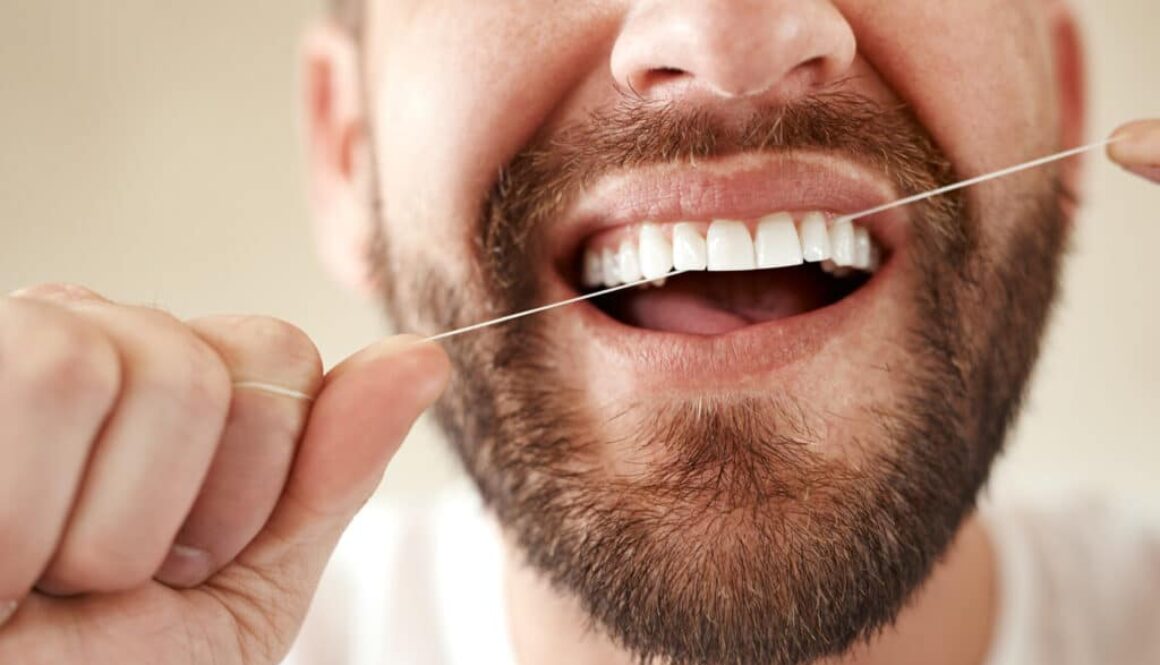
Flossing once a day helps remove debris before it contributes to bad breath or gum irritation. Making flossing part of your nightly routine is one of the easiest ways to improve your oral health.
Clean Your Tongue
Your tongue naturally traps bacteria, food particles, and dead cells. If it isn’t cleaned regularly, these can contribute to persistent bad breath.
After brushing your teeth, gently brush your tongue or use a tongue scraper to remove buildup. This simple habit only takes a few seconds but can make a noticeable difference.
Drink More Water Throughout the Day
Saliva helps naturally cleanse your mouth by washing away bacteria and food particles. When your mouth becomes dry, bacteria multiply more easily, often leading to unpleasant breath.
Drinking water regularly helps:
- Rinse away food debris
- Support healthy saliva production
- Reduce dry mouth
- Keep your mouth feeling clean between meals
Choosing water instead of sugary beverages also supports healthier teeth.
Visit Your Dentist Regularly
Sometimes bad breath is caused by issues that brushing alone can’t solve. Plaque and tartar buildup, cavities, or gum disease may all contribute to ongoing odor.
Routine dental cleanings remove hardened plaque that can’t be removed at home and allow your dentist to identify concerns before they become more serious.
If you’ve noticed persistent bad breath despite maintaining good oral hygiene, it’s worth scheduling an evaluation to determine the underlying cause.
Fresh Breath Starts With a Healthy Smile
Fresh breath is often a reflection of healthy teeth and gums. By brushing, flossing, cleaning your tongue, staying hydrated, and keeping up with routine dental visits, you can help protect your oral health while enjoying greater confidence every day.
At Young Family Dental Orem, we’re committed to helping patients of all ages maintain healthy, confident smiles through preventive care and personalized treatment. Whether you’re due for a cleaning or have questions about your oral health, our team is here to help.
Schedule your next dental appointment today and discover how healthy habits can keep your smile looking and feeling its best.