


When Does a Tooth Need a Dental Crown? | Young Family Dental Highland
Your teeth are built to withstand years of biting and chewing, but they’re not indestructible. Decay, cracks, injuries, large fillings, and everyday wear can eventually leave a tooth too weak or damaged to function properly on its own.
In some situations, a filling may be enough to repair the damage. When more of the tooth needs protection, however, your dentist may recommend a dental crown.
A dental crown covers the visible portion of a tooth to restore its shape, strength, and function. At Young Family Dental Highland, we use restorative dentistry to help patients protect damaged teeth and maintain healthy, functional smiles.
So, how do you know when a tooth might need a crown? Here are some of the most common reasons your dentist may recommend one.
What Is a Dental Crown?
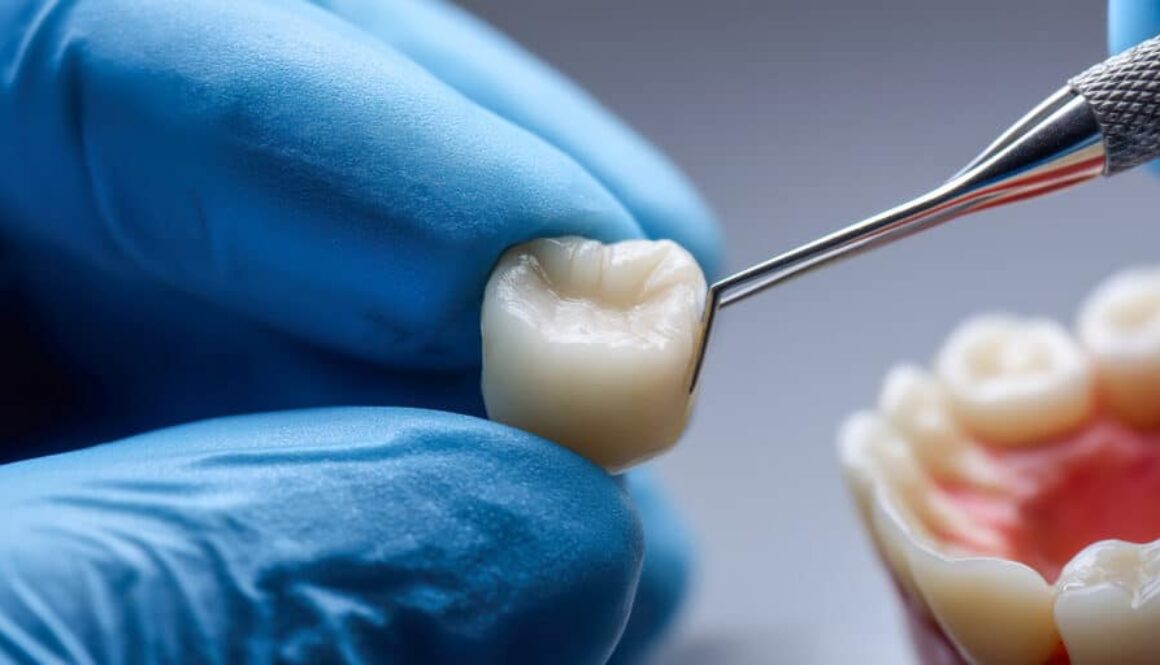
A dental crown is a custom-made restoration that fits over the visible portion of a tooth.
You may also hear a crown referred to as a “cap” because it essentially caps the existing tooth structure.
Crowns can be made from several materials, including porcelain, ceramic, zirconia, metal alloys, or combinations of materials. The appropriate material may depend on where the tooth is located, how much biting pressure it receives, and your cosmetic preferences.
Once placed, a crown is designed to restore the tooth so you can comfortably bite, chew, and smile.
Why Would You Need a Dental Crown?
Dentists recommend crowns for several reasons, but they’re commonly used when a tooth has lost enough healthy structure that a smaller restoration may not provide adequate protection.
You may need a dental crown because of:
- A large cavity
- A cracked tooth
- A broken tooth
- A large or failing filling
- Significant tooth wear
- Root canal treatment
- A weakened tooth
- Certain cosmetic concerns
- A dental implant that needs to be restored
The right treatment depends on the condition of your individual tooth.
When Is a Cavity Too Large for a Filling?
Small and moderate cavities can often be repaired with dental fillings.
However, a filling needs enough healthy tooth structure around it for support. If decay has destroyed a significant portion of the tooth, placing a very large filling may not provide the strength the tooth needs.
The remaining walls of the tooth may be thin or weakened, making them more vulnerable to cracking under normal chewing pressure.
In these situations, a dental crown may be recommended because it surrounds and protects the remaining tooth structure.
Treating cavities early can sometimes help you avoid needing more extensive restorative dental work later.
A Cracked Tooth May Need Additional Protection
Cracks can develop because of an injury, teeth grinding, biting something hard, or simply years of stress on a tooth.
A cracked tooth may cause symptoms such as:
- Sharp pain when biting
- Pain when releasing your bite
- Sensitivity to hot or cold
- Intermittent discomfort
- Tenderness while chewing
Some cracks are small, while others extend deeper into the tooth.
Depending on the location and severity of the damage, a crown may help hold the tooth together and protect it from additional stress.
Not every cracked tooth can be repaired with a crown, however. Your dentist will need to evaluate how far the crack extends and whether the pulp or root has been affected.
What About a Broken Tooth?
If part of a tooth breaks off, don’t assume that the only option is extraction.
When enough healthy tooth structure remains, your dentist may be able to rebuild and protect the tooth with a dental crown.
A crown can restore the shape of the damaged tooth while allowing it to function more normally during biting and chewing.
Even if a broken tooth doesn’t hurt, schedule a dental appointment. Damage can leave vulnerable portions of the tooth exposed and potentially allow the problem to become more extensive.
Why Are Crowns Common After Root Canal Treatment?
Root canal treatment is used when the pulp inside a tooth becomes infected or irreversibly inflamed.
During treatment, the damaged tissue is removed from the inside of the tooth, and the root canal system is cleaned and sealed.
The tooth then needs an appropriate restoration.
For many back teeth, especially molars and premolars, a crown may be recommended after root canal treatment to protect the remaining tooth structure from fracture and restore normal function.
Whether a crown is needed depends on the tooth, its location, and how much healthy structure remains.
Large Fillings Can Weaken a Tooth
Fillings are designed to repair areas damaged by tooth decay, but the natural tooth structure surrounding a very large filling can become vulnerable over time.
Repeated chewing pressure can eventually contribute to cracks or fractures.
Older restorations may also wear, chip, or develop problems around their edges.
If your dentist notices that a large filling is failing or that the remaining tooth is at risk of breaking, a crown may be recommended to provide greater coverage and protection.
Regular dental exams allow your dentist to monitor existing fillings and identify changes before they become emergencies.
Teeth Grinding Can Contribute to Damage
Do you grind or clench your teeth?
Bruxism can place considerable force on your teeth, particularly while you’re sleeping and unaware that you’re doing it.
Over time, grinding may contribute to:
- Worn enamel
- Flattened teeth
- Small chips
- Cracks
- Broken restorations
- Tooth sensitivity
If a tooth becomes significantly worn or damaged, a crown may be needed to restore its shape and function.
However, repairing the tooth is only one part of addressing the problem. If grinding continues, it can place excessive pressure on the crown as well.
Your dentist may recommend a custom nightguard or other strategies to help protect your teeth.
Can a Crown Fix a Worn-Down Tooth?
Teeth may gradually become shorter or change shape because of grinding, erosion, or years of wear.
In certain situations, crowns can be used to rebuild severely worn teeth.
Restoring worn teeth can help improve both appearance and function, but it’s important to understand why the wear occurred in the first place.
Your dentist will evaluate your bite, habits, and remaining tooth structure before recommending treatment.
Are Dental Crowns Used for Cosmetic Reasons?
Crowns can also improve the appearance of certain teeth.
For example, a crown may be considered for a tooth that is severely discolored, misshapen, damaged, or disproportionately sized.
However, a crown isn’t always the most conservative option for a cosmetic concern.
Depending on your smile and goals, alternatives such as dental bonding, veneers, or teeth whitening may be more appropriate.
Your dentist can explain the advantages and limitations of each option.
How Is a Crown Different From a Filling?
Both fillings and crowns restore damaged teeth, but they cover different amounts of tooth structure.
A filling replaces a specific area of the tooth that has been damaged by decay or another problem.
A crown covers most or all of the visible portion of the tooth above the gumline.
In general, fillings are appropriate when enough healthy tooth remains to support the restoration. Crowns may be recommended when the tooth needs more extensive coverage and protection.
Your dentist will aim to preserve as much healthy natural tooth structure as possible while choosing a restoration capable of supporting normal function.
What Happens When You Get a Dental Crown?
The dental crown process begins with an examination.
Your dentist evaluates the tooth and may take X-rays to look for decay, infection, or other concerns that aren’t visible during the clinical exam.
If a crown is appropriate, the tooth is prepared so the restoration can fit securely over it.
An impression or digital scan is then used to create a crown that fits your tooth and bite.
Depending on the process being used, you may receive a temporary crown while your final restoration is created.
When the permanent crown is ready, your dentist checks its fit, appearance, and bite before securing it in place.
How Long Does a Dental Crown Last?
Dental crowns are designed to withstand normal biting and chewing, but they don’t necessarily last forever.
How long your crown lasts can depend on several factors, including:
- Oral hygiene
- Diet
- Teeth grinding
- Crown material
- Location of the tooth
- Biting forces
- Habits such as chewing ice
Regular dental visits are also important because your dentist can monitor both the crown and the tooth underneath it.
Can You Get a Cavity Under a Crown?
Yes.
A crown protects the visible portion of a tooth, but the natural tooth underneath is still vulnerable to decay.
Cavities can develop near the edge where the crown meets the tooth, particularly if plaque consistently accumulates around the area.
Protect your crown by brushing twice daily and flossing around it every day.
Professional cleanings and dental exams also help your dental team monitor the edges of the restoration.
How Can You Protect a Dental Crown?
Treat your crowned tooth much like your natural teeth.
To help maintain your restoration:
- Brush twice a day with fluoride toothpaste.
- Floss around the crown daily.
- Keep up with routine dental exams and cleanings.
- Avoid chewing ice or extremely hard objects.
- Don’t use your teeth to open packages.
- Wear a nightguard if recommended for grinding.
- Contact your dentist if the crown becomes loose or damaged.
Good oral hygiene helps protect both your crown and the natural tooth supporting it.
Signs You May Need a Dental Crown
Only a dental examination can determine whether a crown is necessary, but certain symptoms are worth having evaluated.
Schedule a visit if you notice:
- A cracked tooth
- A broken or chipped tooth
- Pain when biting
- A large filling that feels loose or damaged
- New tooth sensitivity
- A tooth that feels weak
- Significant tooth wear
- A piece of your tooth breaking off
You may also need a crown even if you aren’t experiencing pain. Dentists sometimes identify weakened teeth during routine examinations before they fracture.
Does Every Damaged Tooth Need a Crown?
No.
Minor chips may be repaired with bonding. Small cavities may only require fillings. Other damaged teeth may require different treatments depending on how much healthy tooth structure remains.
In some cases, damage may be too extensive for a crown to predictably restore the tooth.
The goal is to choose the most appropriate treatment while preserving as much of your natural tooth as possible.
Restore Your Smile at Young Family Dental Highland
A cracked, weakened, or heavily restored tooth doesn’t necessarily have to become a dental emergency.
Dental crowns can provide additional protection for teeth affected by extensive decay, large fillings, fractures, root canal treatment, or significant wear.
At Young Family Dental Highland, we’ll evaluate your tooth, explain what’s causing the problem, and help you understand your restorative treatment options.
If you’ve noticed a cracked tooth, discomfort when chewing, a damaged filling, or another change in your smile, don’t wait for the problem to become more extensive.
Contact Young Family Dental Highland to schedule an appointment and find out whether a dental crown may be the right solution for protecting your tooth.