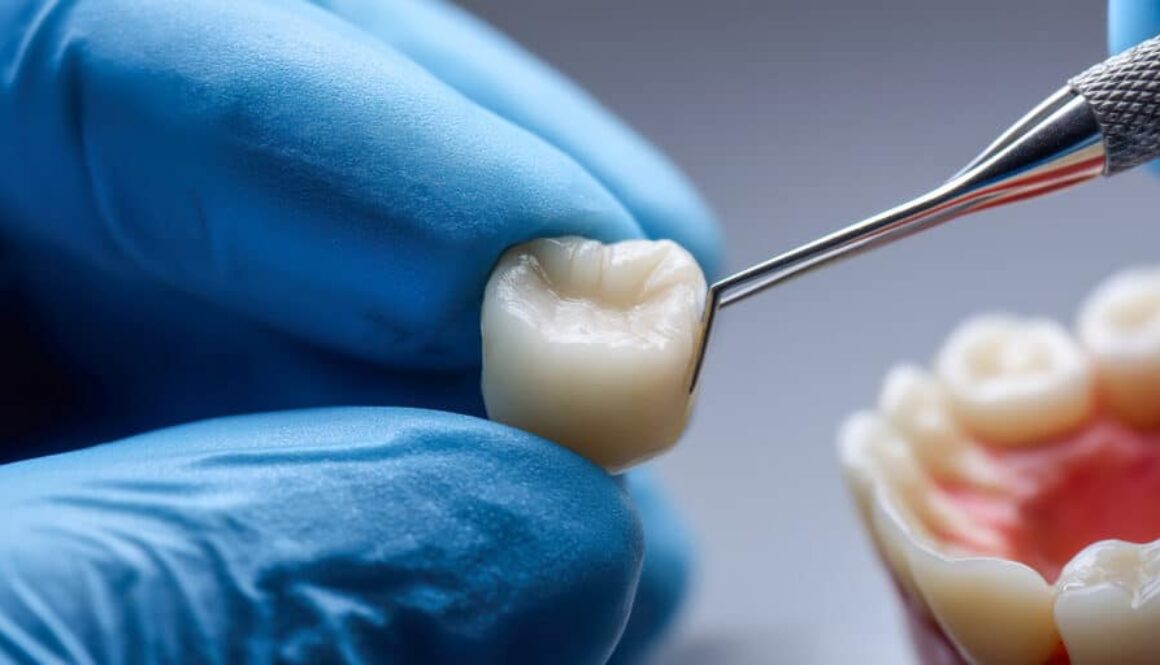


Tooth-Colored Fillings: A Natural-Looking Way to Repair Cavities in Highland
Finding out you have a cavity isn’t exactly exciting news, but treating tooth decay doesn’t have to mean leaving your smile with a noticeable silver filling.
Tooth-colored fillings offer a natural-looking way to repair many cavities while preserving healthy tooth structure and restoring normal function. Made from composite resin that can be matched to the shade of your surrounding teeth, these restorations are designed to blend into your smile.
At Young Family Dental Highland, we use restorative dentistry to repair damaged teeth while considering both function and appearance. If you have a cavity, a tooth-colored filling may be a simple way to restore your tooth before the decay becomes a bigger problem.
What Is a Tooth-Colored Filling?
A tooth-colored filling, also called a composite filling, is a dental restoration used to repair a tooth affected by decay or minor damage.
Composite resin is made from a mixture of materials designed to provide durability while closely resembling natural tooth structure.
Unlike traditional silver-colored amalgam fillings, composite fillings can be selected to coordinate with the shade of your teeth.
Once the filling is placed and polished, it is designed to blend naturally with the surrounding enamel.
Why Do Cavities Need Fillings?
A cavity is an area of permanent damage caused by tooth decay.
Bacteria in your mouth interact with sugars and carbohydrates from foods and drinks, producing acids. Over time, repeated acid exposure can weaken tooth enamel and contribute to decay.
Once a true cavity has formed, the damaged portion of the tooth generally needs professional treatment.
A dental filling allows your dentist to remove the decayed tooth structure and replace it with restorative material.
Treating the cavity helps prevent decay from continuing deeper into the tooth.
What Happens If You Don’t Treat a Cavity?
Cavities don’t simply disappear on their own.
Early enamel changes may sometimes be managed with preventive strategies before a cavity develops, but once tooth structure has been lost, professional restorative treatment is usually necessary.
Without treatment, decay can continue through the enamel and into the dentin beneath it.
As a cavity becomes deeper, you may begin experiencing:
- Tooth sensitivity
- Pain when eating sweets
- Sensitivity to hot or cold
- Discomfort when chewing
- Toothache
- Visible holes or dark areas in the tooth
Eventually, decay can reach the dental pulp, where the tooth’s nerves and blood vessels are located.
At that point, treatment may become more extensive.
Why Choose a Tooth-Colored Filling?
One of the biggest advantages of composite fillings is their appearance.
Because the material can be matched to your natural tooth color, the restoration is much less noticeable when you smile, laugh, or talk.
This can be particularly appealing when treating cavities in visible areas of the mouth.
But appearance isn’t the only consideration.
Composite resin bonds directly to the tooth, which can allow your dentist to restore the damaged area while preserving healthy tooth structure whenever possible.
Are Tooth-Colored Fillings Only for Front Teeth?
No.
While their natural appearance makes composite fillings a popular option for visible front teeth, they can also be used on many back teeth.
Modern composite materials are designed to handle everyday biting and chewing forces when used appropriately.
Whether a tooth-colored filling is suitable depends on factors such as:
- Size of the cavity
- Location of the tooth
- Amount of healthy tooth remaining
- Biting forces
- Condition of the surrounding tooth
- Your individual oral health
Your dentist can determine which restorative material is appropriate for a particular tooth.
What Does a Cavity Look Like?
Some cavities are visible, but many aren’t.
You might notice:
- A dark spot
- A small hole
- A rough area
- Food repeatedly getting stuck in one place
- A chipped-looking portion of a tooth
However, cavities frequently develop between teeth or in areas that are difficult to see.
Dental X-rays can help identify certain areas of decay before they become visible when looking inside the mouth.
That’s one reason routine dental exams remain important even when your teeth feel completely fine.
Do Cavities Always Hurt?
No.
A cavity can develop without causing any pain, particularly during its earlier stages.
Enamel doesn’t contain nerves, so decay limited to the outer portion of the tooth may not produce noticeable symptoms.
As the cavity becomes deeper, the tooth may become increasingly sensitive.
Waiting for a toothache before visiting the dentist can allow a relatively small problem to become more complicated.
Regular exams give your dental team an opportunity to identify decay earlier.
How Is a Tooth-Colored Filling Placed?
The process begins by examining the tooth and determining the extent of the decay.
When a filling is appropriate, the area is typically numbed to keep you comfortable.
Your dentist removes the decayed portion of the tooth and prepares the area for the restoration.
The composite material is then placed in layers. A special curing light hardens the material before it is shaped and polished.
Your dentist will also check your bite to make sure the restored tooth feels comfortable when you close your mouth.
In many cases, the entire procedure can be completed during one dental appointment.
How Long Does It Take to Get a Filling?
Treatment time depends on the size and location of the cavity as well as how many teeth require treatment.
A relatively small cavity may be restored fairly quickly, while larger or more complicated areas can require additional time.
Your dental team can give you a better idea of what to expect after examining your tooth.
Does Getting a Filling Hurt?
Before treating a cavity, your dentist can use local anesthetic to numb the area around the tooth.
You may notice pressure or vibration during treatment, but the goal is to keep you comfortable throughout the procedure.
Afterward, the tooth may feel slightly different while you adjust to the restoration.
Temporary sensitivity can also occur.
If you experience significant pain, your bite feels uneven, or sensitivity continues rather than improving, contact your dentist.
How Long Do Tooth-Colored Fillings Last?
Composite fillings can provide years of function, but no dental restoration is guaranteed to last forever.
The lifespan of a filling can depend on:
- Its size
- Where it is located
- Your oral hygiene
- Your diet
- Teeth grinding or clenching
- Biting habits
- Regular dental care
Smaller fillings surrounded by plenty of healthy tooth structure may experience different forces than very large restorations.
Your dentist will monitor existing fillings during routine dental exams.
Can a Filling Get Another Cavity?
A filling itself can’t develop tooth decay, but the natural tooth around it still can.
Plaque may accumulate near the edges of a restoration, allowing a new cavity to develop.
That’s why having a filling doesn’t mean you can stop paying attention to that tooth.
Brush twice daily with fluoride toothpaste, floss every day, and maintain regular professional cleanings and dental exams.
Can Old Silver Fillings Be Replaced With Tooth-Colored Fillings?
In some cases, yes.
An older amalgam filling may need replacement if it becomes damaged, develops problems around its edges, or the surrounding tooth becomes compromised.
Some patients may also ask about replacing a visible silver filling for cosmetic reasons.
However, an existing filling that is functioning well doesn’t necessarily need to be removed simply because it is made from amalgam.
Removing a restoration also requires working on the natural tooth structure, so your dentist can help you weigh the advantages and disadvantages before deciding to replace an existing filling.
Can Composite Resin Repair More Than Cavities?
Composite resin can also be used for certain minor cosmetic and restorative concerns.
Depending on the tooth, it may help repair:
- Small chips
- Minor fractures
- Worn areas
- Certain gaps
- Minor shape irregularities
When composite resin is used primarily to change the appearance or shape of a tooth rather than repair decay, the procedure is often called dental bonding.
Filling or Crown: Which Does Your Tooth Need?
A filling works best when enough strong, healthy tooth structure remains to support the restoration.
When a tooth has a very large cavity, significant fracture, or extensive existing filling, a filling may no longer provide enough protection.
In these situations, a dental crown may be recommended.
A crown covers most or all of the visible portion of the tooth, providing more extensive coverage.
Your dentist will evaluate how much healthy tooth remains before recommending a filling, crown, or another treatment.
How Can You Prevent Future Cavities?
While fillings can repair decay, preventing new cavities is even better.
Simple habits can make a significant difference:
- Brush twice daily with fluoride toothpaste.
- Floss between your teeth every day.
- Limit frequent sugary snacks.
- Reduce frequent sipping on sugary or acidic drinks.
- Drink plenty of water.
- Attend regular dental exams.
- Schedule professional dental cleanings.
- Ask your dentist about fluoride or sealants when appropriate.
Consistency matters more than perfection. Small daily habits can help protect your enamel and reduce your risk of future decay.
Why Regular Dental Exams Matter
One of the best times to treat a cavity is before it starts hurting.
Routine dental examinations allow your dentist to look for early signs of decay and monitor areas that may be at increased risk.
Dental X-rays can also reveal cavities between teeth and beneath certain existing restorations that may not be visible during a standard examination.
Catching decay earlier can often mean a smaller, more conservative restoration.
Repair Cavities at Young Family Dental Highland
Cavities are common, but they shouldn’t be ignored.
Tooth-colored fillings provide a natural-looking way to remove decay, restore damaged tooth structure, and help your tooth function normally again. Because composite resin can be matched to your surrounding enamel, your restoration can blend naturally with your smile.
At Young Family Dental Highland, we’ll evaluate your tooth and determine whether a composite filling or another restorative option is appropriate for your needs.
If you’ve been told you have a cavity, are experiencing new tooth sensitivity, or are due for your next dental exam, contact Young Family Dental Highland to schedule an appointment. Treating decay early can help keep a small cavity from becoming a much bigger dental problem.