

How Often Should You Replace Your Toothbrush? | Young Family Dental Highland
You use your toothbrush every morning and night, but when was the last time you actually replaced it? If you can’t remember, there’s a good chance it’s time for a new one.
Your toothbrush is one of the most important tools in your daily oral hygiene routine. Over time, however, the bristles become worn, frayed, and less effective at removing plaque and food debris from your teeth.
At Young Family Dental in Highland, Utah, we want patients to get the most out of their at-home dental care. Knowing when to replace your toothbrush—and how to take care of it between uses—can help you keep your teeth and gums clean and healthy.
How Often Should You Get a New Toothbrush?
A good general guideline is to replace your toothbrush every three to four months.
That recommendation applies to both traditional manual toothbrushes and the replaceable brush heads used with electric toothbrushes.
However, three to four months isn’t a strict deadline. Some toothbrushes need to be replaced sooner.
Take a look at your toothbrush regularly. If the bristles are frayed, bent, flattened, or spreading outward, it’s probably time for a replacement even if you haven’t reached the three-month mark.
The condition of your toothbrush matters more than the date on the calendar.
Why Do Toothbrush Bristles Wear Out?
Your toothbrush works by using its bristles to loosen and remove plaque from the surfaces of your teeth and around the gumline.
After weeks of brushing, those bristles naturally begin to wear down.
Once they become bent and frayed, they may not clean your teeth as effectively. Worn bristles can have more difficulty reaching the areas they were designed to clean.
Think of your toothbrush like any other tool you use frequently. Eventually, normal wear and tear affects its performance.
Replacing it regularly ensures you’re brushing with bristles that can do their job effectively.
Signs It’s Time to Replace Your Toothbrush
You don’t necessarily need to wait three or four months if your toothbrush looks worn.
Signs that it’s time for a replacement include:
- Frayed or bent bristles
- Bristles spreading outward
- Flattened bristles
- Significant discoloration or buildup
- A damaged toothbrush head
- Indicator bristles that have faded, if your toothbrush has them
You should also consider how the toothbrush feels while you’re brushing. If the bristles no longer seem to maintain their original shape, replacing the brush is a simple way to improve your oral hygiene routine.
Why Does My Toothbrush Wear Out So Quickly?
If your toothbrush looks completely worn after only a few weeks, you may be brushing too aggressively.
More pressure doesn’t necessarily mean cleaner teeth.
Scrubbing forcefully can cause toothbrush bristles to bend and fray much faster. Aggressive brushing may also irritate your gums and contribute to wear along the tooth surface or gumline.
Instead, use gentle pressure and allow the bristles to do the work.
A soft-bristled toothbrush is generally a good choice for most patients. Hold your brush at an angle toward the gumline and use small, controlled movements rather than forceful scrubbing.
If you’re unsure whether you’re brushing correctly, ask your dental hygienist to demonstrate the proper technique at your next appointment.
What About Electric Toothbrush Heads?
Electric toothbrushes follow a similar replacement schedule.
In general, the brush head should be replaced approximately every three to four months, or sooner if the bristles become visibly worn.
Some electric toothbrush heads include indicator bristles that gradually fade to remind you when it’s time for a replacement. Certain electric toothbrushes and connected apps may also provide automatic reminders.
Because electric toothbrush heads are smaller than many manual toothbrushes, wear can sometimes be less noticeable. Make a habit of inspecting the bristles regularly rather than relying only on the calendar.
Should You Replace Your Toothbrush After Being Sick?
You may have heard that you should immediately throw away your toothbrush after every cold or illness.
For most routine illnesses, replacing your toothbrush afterward isn’t always necessary solely because you’ve been sick. Your immune system develops defenses against the infection you’ve just experienced, making reinfection from your own toothbrush less of a concern.
However, you may still choose to replace it, especially if the brush is already nearing the end of its recommended lifespan.
Never share toothbrushes, and avoid storing brushes where their heads remain in direct contact with one another.
If you have specific health concerns or have been advised to take additional precautions by a healthcare professional, follow their recommendations.
How Should You Store Your Toothbrush?
Taking care of your toothbrush between uses is just as important as replacing it regularly.
After brushing, rinse the toothbrush thoroughly with water to remove toothpaste and debris. Store it upright whenever possible and allow it to air dry.
Avoid routinely storing a wet toothbrush in a completely closed container. A damp environment with limited airflow isn’t ideal for drying.
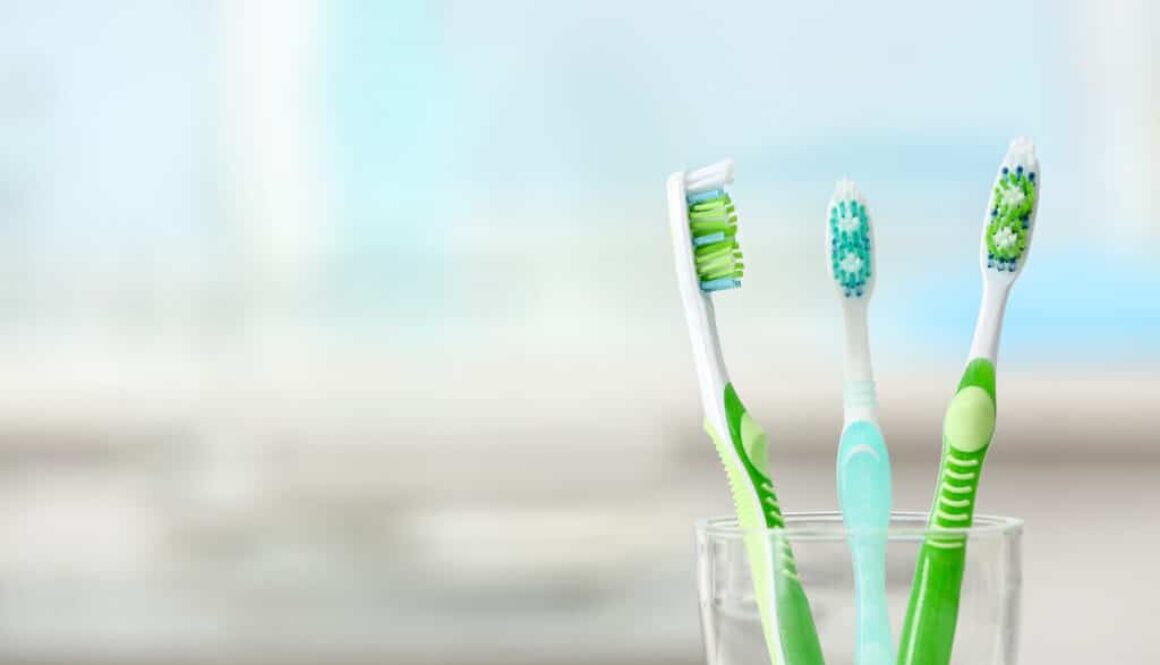
If several toothbrushes are stored in the same holder, try to keep the brush heads from touching one another.
And, of course, don’t share toothbrushes—even with members of your household.
Do You Need to Sanitize Your Toothbrush?
For most people, routine toothbrush sanitizing isn’t necessary.
Thoroughly rinsing your toothbrush after use and allowing it to air dry is generally sufficient for everyday care.
You don’t need to boil your toothbrush, place it in the dishwasher, or use harsh disinfectants. High temperatures or chemicals may damage the bristles and make the toothbrush less effective.
Some toothbrush sanitizing devices are available, but they shouldn’t replace proper storage or regular toothbrush replacement.
When in doubt, keeping your routine simple is often best: rinse, air dry, and replace when necessary.
Manual vs. Electric: Which Toothbrush Is Better?
Both manual and electric toothbrushes can effectively clean your teeth when used properly.
An electric toothbrush may be helpful for people who struggle with brushing technique, have limited dexterity, or simply prefer the built-in timers and other features many models provide.
A manual toothbrush can also provide excellent results when you brush thoroughly and consistently.
The most important factors are using a soft-bristled brush, brushing correctly, and cleaning your teeth for about two minutes twice a day.
No toothbrush can do its job if it isn’t being used consistently.
Don’t Forget the Rest of Your Oral Hygiene Routine
Replacing your toothbrush regularly is important, but it is only one part of maintaining a healthy smile.
Brush twice a day with fluoride toothpaste for approximately two minutes each time. Clean between your teeth daily with floss or another appropriate interdental cleaner.
Pay attention to areas that are easy to miss, particularly along the gumline and around your back teeth.
Regular dental cleanings and exams are also essential. Even excellent brushing can’t remove hardened tartar once it forms, and professional exams allow your dentist to identify cavities, gum problems, and other concerns you may not notice at home.
An Easy Way to Remember When to Replace Your Toothbrush
Three or four months can pass surprisingly quickly, so consider creating a simple reminder.
You could replace your toothbrush at the beginning of each new season, set a recurring reminder on your phone, or keep replacement toothbrush heads somewhere visible.
If your dentist gives you a new toothbrush after your routine cleaning, that appointment can also serve as a helpful reset for your schedule.
Whatever method you choose, don’t wait until the bristles are completely flattened before making the switch.
Keep Your Smile Fresh at Young Family Dental Highland
Your toothbrush may be small, but it plays a major role in protecting your smile every day.
As a general guideline, replace your toothbrush or electric brush head every three to four months, and replace it sooner if you notice frayed, bent, or worn bristles.
Remember that brushing technique matters, too. Use gentle pressure, choose soft bristles, brush twice daily with fluoride toothpaste, and clean between your teeth every day.
At Young Family Dental in Highland, we’re here to help you make the most of your preventive dental routine. If you’re due for a cleaning and exam—or have questions about choosing the right toothbrush—schedule your next appointment with Young Family Dental Highland.