

Why Properly Aligned Teeth Are Easier to Keep Healthy in Herriman
A healthy smile is about more than having bright, attractive teeth. How your teeth are positioned can also affect how easily you can care for them every day.
When teeth are crowded, overlapping, rotated, or improperly positioned, brushing and flossing may become more challenging. Certain areas can be difficult to reach, allowing plaque and food particles to accumulate. Properly aligned teeth can make daily oral hygiene more manageable and support the long-term health of your teeth and gums.
For families in Herriman, Utah, understanding the connection between tooth alignment and oral health can help you make informed decisions about your smile.
What Does Proper Tooth Alignment Mean?
Tooth alignment refers to how your teeth are positioned in your mouth and how your upper and lower teeth come together when you bite.
Everyone’s smile is different, and teeth don’t need to be perfectly straight to be healthy. However, significant crowding, overlapping, spacing, or bite problems can sometimes make it harder to maintain good oral hygiene or properly use your teeth.
If your teeth are difficult to clean or you have concerns about your bite, your dentist can evaluate your smile and discuss whether alignment may be affecting your oral health.
Straight Teeth Can Be Easier to Brush
One of the most noticeable benefits of properly aligned teeth is easier access during brushing.
When teeth overlap or sit at unusual angles, a toothbrush may not easily reach every surface. You may have to maneuver the brush around crowded areas to remove plaque effectively.
When teeth are more evenly aligned, it can be easier to brush the front, back, and chewing surfaces of each tooth, as well as along the gumline.
Of course, proper alignment doesn’t eliminate the need for thorough brushing. You should still brush twice a day for approximately two minutes using fluoride toothpaste.
Flossing Can Be More Manageable
Cleaning between your teeth is an important part of maintaining healthy gums and preventing cavities.
However, flossing can be difficult when teeth are tightly crowded or overlapping. Getting floss between certain teeth may require extra effort, and some areas may be easy to overlook.
Properly aligned teeth may provide more consistent access between neighboring teeth, making daily flossing easier.
If traditional floss is difficult for you, your dental team can recommend other tools, such as floss picks or interdental cleaners, based on your specific needs.
Alignment Can Help Reduce Hard-to-Clean Areas
Crowded teeth can create small spaces and irregular surfaces where plaque and food particles may become trapped.
These areas aren’t necessarily impossible to clean, but they may require more attention and a more precise brushing and flossing technique.
When teeth are properly aligned, your daily oral hygiene routine may become more efficient because you can more easily reach the surfaces that need cleaning.
This can be especially helpful for patients who have struggled with keeping certain areas of their smile clean.
Healthier Gums Start With Good Plaque Removal
Your gums are an important part of your overall oral health.
When plaque remains along the gumline, it can cause inflammation and contribute to gingivitis. Without appropriate care, gum disease can become more serious.
Properly aligned teeth may make it easier to clean around the gumline and between teeth. Combined with daily brushing, flossing, and regular dental visits, easier access can support healthier gums.
If you experience persistent bleeding, swelling, redness, or tenderness in your gums, talk with your dentist.
A Properly Aligned Bite Can Support Function
Tooth alignment also affects the way your teeth come together when you chew.
When your bite isn’t properly balanced, certain teeth may experience more pressure than others. Depending on the individual situation, bite problems may contribute to difficulty chewing, uneven tooth wear, or jaw discomfort.
Not every bite difference requires treatment, but your dentist can evaluate your bite and determine whether alignment may be affecting your oral function.
What About ClearCorrect Aligners?
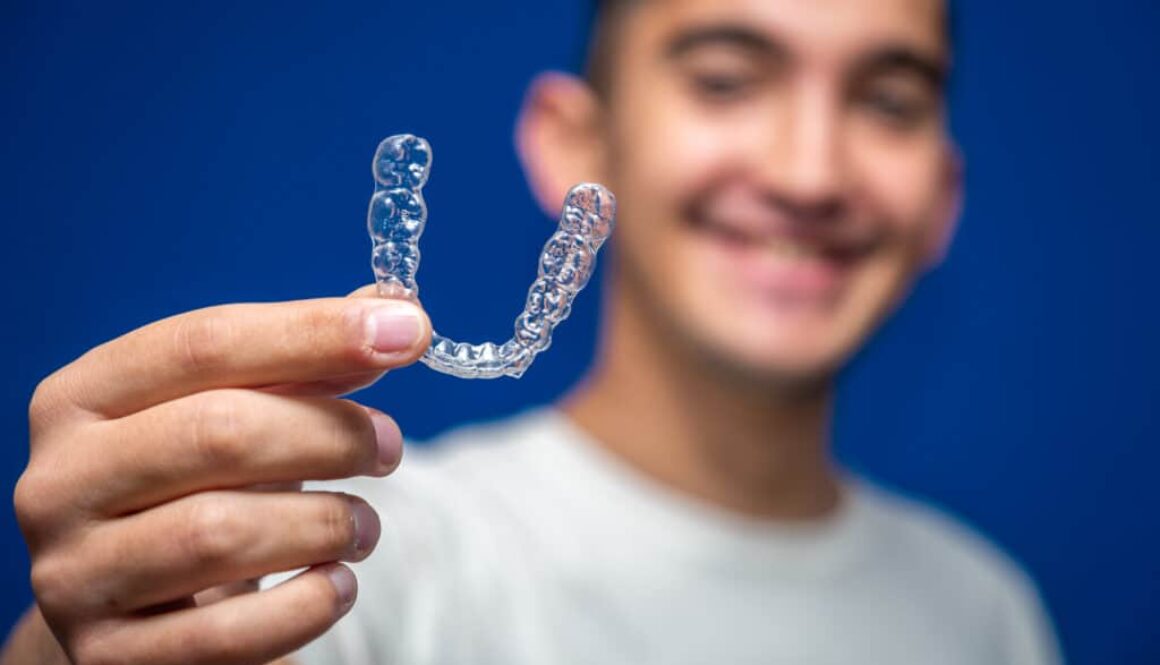
For patients who could benefit from improved alignment, orthodontic treatment may be an option. ClearCorrect aligners use a series of removable trays designed to gradually shift teeth. Your dental provider can help you understand which options may be appropriate for your smile.
Straight Teeth Still Need Daily Care
While proper alignment can make oral hygiene easier, straight teeth aren’t automatically healthy teeth.
Even a perfectly aligned smile can develop cavities or gum disease without proper care.
Protect your smile by:
- Brushing twice a day for two minutes.
- Using fluoride toothpaste.
- Cleaning between your teeth every day.
- Drinking plenty of water.
- Limiting frequent sugary foods and drinks.
- Wearing a mouthguard during sports when recommended.
- Visiting your dentist for regular exams and cleanings.
Good alignment and good oral hygiene work together to support your long-term dental health.
When Should You Talk to Your Dentist About Alignment?
Consider discussing tooth alignment with your dentist if you notice:
- Crowded or overlapping teeth
- Difficulty flossing certain areas
- Frequent food getting trapped between teeth
- Teeth that appear significantly rotated
- Difficulty chewing
- Changes in your bite
- Uneven tooth wear
- Concerns about the appearance or function of your smile
Your dentist can evaluate your teeth and bite and help you determine whether orthodontic treatment or another approach may be beneficial.
Keep Your Smile Healthy in Herriman
Properly aligned teeth can provide cosmetic benefits, but their potential functional and oral hygiene benefits are important, too. When teeth are easier to reach, brushing and flossing may become more manageable, helping you maintain cleaner teeth and healthier gums.
At Young Family Dental Herriman, we’re here to help patients and families in Herriman maintain healthy smiles at every stage of life. Whether you have questions about your oral hygiene routine, tooth alignment, or orthodontic options, our team can help you understand your choices.
A healthy smile starts with good daily care—and proper alignment can make that care a little easier.