


Root Canal Therapy: How It Can Help Save a Natural Tooth in Riverton
Hearing that you may need a root canal can feel intimidating, especially if you’ve heard stories about painful dental procedures. However, modern root canal therapy is designed to relieve discomfort, treat infection, and help preserve your natural tooth.
When a tooth becomes severely damaged or infected, extraction isn’t always the only option. Root canal treatment can often save a tooth that might otherwise need to be removed, allowing you to maintain your natural smile and normal chewing function.
At Young Family Dental in Riverton, Utah, we believe understanding your treatment options can help you feel more confident about your dental care. Learning how root canal therapy works, when it may be necessary, and what to expect can help you make informed decisions about protecting your oral health.
What Is Root Canal Therapy?
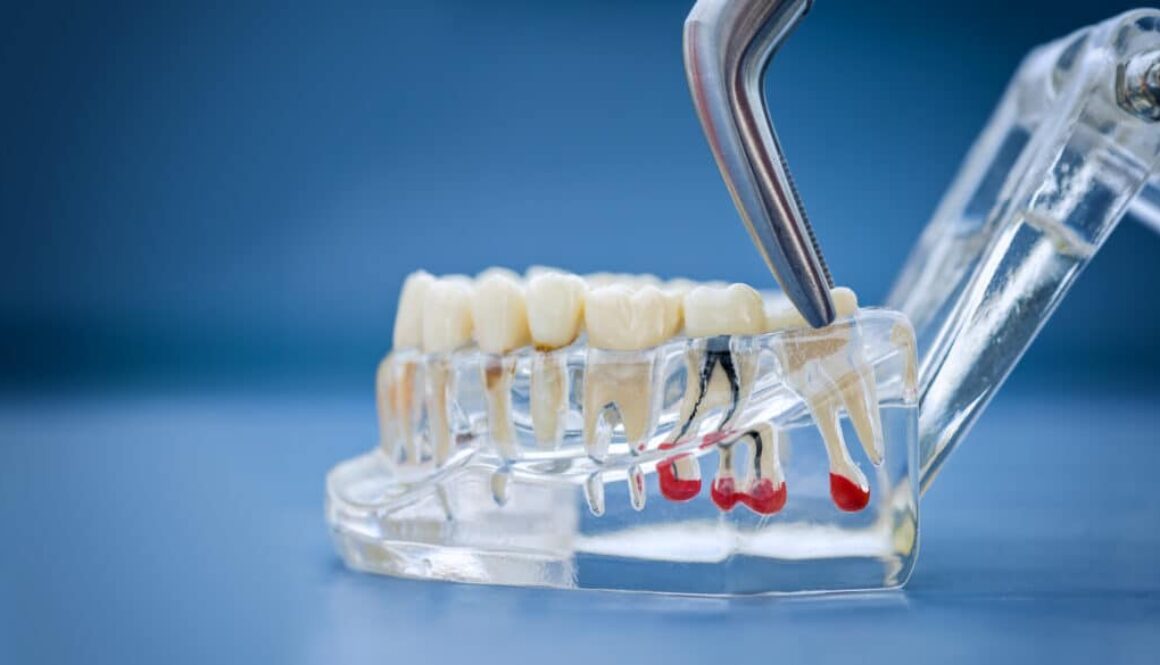
Root canal therapy is a dental procedure used to treat inflammation or infection within the soft tissue inside a tooth, known as the dental pulp.
The pulp contains nerves, blood vessels, and connective tissue that help a tooth develop. It is located beneath the enamel and dentin, extending from the crown of the tooth into its roots.
When bacteria reach the pulp through deep decay, cracks, or dental injuries, the tissue can become inflamed or infected.
If the damage is irreversible, root canal treatment may be recommended to remove the affected tissue while preserving the outer structure of the tooth.
During the procedure, your dentist or endodontist removes the damaged pulp, carefully cleans and disinfects the root canals, and seals the space to help prevent reinfection.
The treated tooth can then be restored with a filling or crown, depending on its condition.
Why Would a Tooth Need a Root Canal?
Several dental conditions can damage the pulp inside a tooth.
Deep Tooth Decay
When a cavity progresses through the enamel and dentin, bacteria may eventually reach the dental pulp.
This can lead to inflammation, infection, and significant tooth pain.
If the pulp cannot recover, root canal therapy may be necessary to preserve the tooth.
Cracked or Fractured Teeth
A crack or fracture can expose the inner layers of a tooth to bacteria.
Some cracks develop from injuries, while others result from repeated biting forces or weakened tooth structure.
If the pulp becomes irreversibly damaged, root canal treatment may help save the tooth.
However, teeth with severe fractures extending into the root may not be repairable.
Dental Trauma
A sudden impact to the mouth can damage the blood supply or nerve tissue inside a tooth, even when there is no visible crack.
Some injured teeth develop symptoms immediately, while others may require monitoring before changes become apparent.
Repeated Dental Procedures
Teeth that have undergone multiple restorations or extensive dental treatment may sometimes develop pulp irritation.
If the pulp becomes irreversibly inflamed or infected, root canal therapy may be recommended.
6 Signs You May Need Root Canal Treatment
Not every toothache requires a root canal, but certain symptoms may indicate damage or infection within the dental pulp.
1. Persistent Tooth Pain
A toothache that continues or repeatedly returns may indicate an underlying dental problem.
Pain can range from a dull ache to sharp or throbbing discomfort that interferes with eating or sleeping.
2. Lingering Sensitivity to Hot or Cold
Brief temperature sensitivity can have several causes. However, discomfort that continues after hot or cold foods have been removed may indicate inflammation within the tooth.
3. Pain When Biting or Chewing
Discomfort when applying pressure to a tooth may be associated with inflammation around the root, a crack, or another dental concern.
4. Swollen or Tender Gums
Swelling near a tooth can sometimes indicate an infection.
You may also notice a small pimple-like bump on the gums, which can develop when an infection drains through the surrounding tissue.
5. Tooth Discoloration
A tooth that becomes darker following an injury may have experienced changes within the dental pulp.
However, discoloration alone does not confirm that root canal treatment is necessary.
6. A Toothache That Suddenly Disappears
Although pain relief may seem encouraging, a tooth that stops hurting can sometimes indicate that the pulp has lost vitality.
An infection may still be present even when the tooth no longer causes discomfort.
If you notice any of these symptoms, a dental examination can help determine the cause and whether root canal therapy is appropriate.
How Does Root Canal Therapy Save a Natural Tooth?
Root canal therapy works by removing damaged or infected tissue from inside the tooth while preserving the remaining healthy tooth structure.
Unlike an extraction, which removes the entire tooth, root canal treatment allows the natural tooth to remain in place.
After the root canals are cleaned and sealed, the tooth is restored to protect it from further damage.
Preserving your natural tooth offers several important benefits.
Maintains Your Natural Smile
Keeping your natural tooth helps preserve the appearance of your smile without requiring a replacement tooth.
Supports Normal Chewing
Once properly restored and healed, a root canal-treated tooth can often function similarly to your other natural teeth.
Helps Maintain Tooth Alignment
When a tooth is extracted and not replaced, neighboring teeth may gradually shift into the open space.
Preserving the tooth helps maintain its position within your bite.
May Reduce the Need for Tooth Replacement
Saving a natural tooth can eliminate the immediate need for replacement options such as dental implants or bridges.
Although root canal therapy isn’t appropriate for every damaged tooth, it can be an effective tooth-preserving treatment when sufficient healthy structure remains.
What Happens During a Root Canal Procedure?
Understanding what to expect during root canal therapy can help reduce anxiety about treatment.
While the exact process varies depending on the tooth and severity of the infection, most procedures involve several steps.
Step 1: Examination and Diagnosis
Your dentist examines the affected tooth and may take dental X-rays to evaluate the roots and surrounding bone.
Additional testing may be performed to determine the condition of the dental pulp.
Step 2: Local Anesthesia
Before treatment begins, local anesthesia is used to numb the affected area and help keep you comfortable.
Step 3: Accessing the Dental Pulp
A small opening is created in the tooth to access the pulp chamber and root canals.
A protective dental dam is typically placed to isolate the tooth during treatment.
Step 4: Cleaning the Root Canals
The damaged or infected pulp tissue is removed.
Specialized instruments and disinfecting solutions are used to clean and shape the root canals.
Step 5: Filling and Sealing the Canals
Once cleaned, the root canals are filled with a biocompatible material, commonly gutta-percha, and sealed.
This helps reduce the risk of bacteria reentering the canals.
Step 6: Restoring the Tooth
After root canal treatment, the tooth typically requires a permanent restoration.
Depending on the amount of remaining tooth structure and its location, your dentist may recommend a filling or dental crown.
A crown is often recommended for back teeth because they experience significant chewing forces.
Is Root Canal Therapy Painful?
One of the most common misconceptions about root canal treatment is that the procedure itself is extremely painful.
In reality, modern root canal therapy is performed using local anesthesia and techniques designed to improve patient comfort.
Many patients find that the procedure feels similar to other dental treatments.
The pain associated with root canals often comes from the underlying inflammation or infection rather than the treatment itself.
After the procedure, mild tenderness or sensitivity may occur for a few days as the surrounding tissues heal.
Your dental provider can recommend appropriate ways to manage temporary discomfort.
Severe or worsening pain, significant swelling, or other unusual symptoms should be reported to your dentist.
How Long Does It Take to Recover From a Root Canal?
Recovery varies depending on the complexity of the procedure, the condition of the tooth, and the presence of infection.
Many patients return to normal daily activities shortly after treatment.
Mild soreness when chewing may continue for several days.
To support recovery:
-
Avoid chewing until the anesthesia has completely worn off.
-
Follow your dentist’s instructions for managing discomfort.
-
Avoid biting hard foods with the treated tooth until it has been permanently restored.
-
Continue brushing and flossing gently.
-
Attend any recommended follow-up appointments.
-
Contact your dentist if symptoms worsen or do not improve.
Following your dentist’s aftercare instructions can help protect the treated tooth during healing.
How Long Can a Root Canal-Treated Tooth Last?
A tooth that has undergone successful root canal therapy can often remain functional for many years.
Some root canal-treated teeth last for decades, particularly when they receive an appropriate permanent restoration and consistent oral care.
However, long-term success depends on several factors, including:
-
The extent of the original damage
-
The condition of the surrounding bone and gums
-
The quality of the root canal treatment
-
The type and condition of the final restoration
-
Daily brushing and flossing habits
-
Regular dental examinations
-
Whether the tooth experiences excessive biting forces
Root canal therapy does not make a tooth immune to future cavities, fractures, or gum disease.
Maintaining good oral hygiene and attending regular dental visits remain essential.
Root Canal vs. Tooth Extraction: Which Is Better?
When a tooth is severely damaged or infected, patients may wonder whether root canal therapy or extraction is the better option.
The most appropriate treatment depends on whether the tooth can be predictably restored.
Root Canal Therapy
Root canal treatment may be recommended when the tooth has enough healthy structure and support to remain functional after treatment.
Benefits may include preserving the natural tooth, maintaining chewing function, and avoiding the immediate need for tooth replacement.
Tooth Extraction
Extraction may be necessary when a tooth has extensive structural damage, a severe fracture, or inadequate support.
If a tooth is removed, replacement options may include a dental implant, bridge, or removable prosthesis.
Your dentist can explain the benefits, risks, costs, and long-term considerations of each option based on your individual situation.
Can You Prevent the Need for a Root Canal?
Not every dental problem can be prevented, but maintaining good oral hygiene can help reduce the risk of conditions that may lead to root canal treatment.
Helpful preventive habits include:
-
Brushing twice daily with fluoride toothpaste
-
Flossing every day
-
Limiting frequent sugary snacks and beverages
-
Wearing a mouthguard during contact sports
-
Avoiding chewing ice or other hard objects
-
Scheduling regular dental examinations
-
Addressing cavities and cracked teeth before they worsen
Early treatment of dental problems may help prevent damage from reaching the dental pulp.
When Should You See a Dentist for Tooth Pain?
Persistent tooth pain should not be ignored, even if the discomfort is manageable.
Schedule a dental evaluation if you experience lingering temperature sensitivity, pain when chewing, unexplained tooth discoloration, or swelling near a tooth.
Seek prompt dental care if you suspect an abscess or dental infection.
If you develop significant facial or neck swelling, difficulty breathing or swallowing, or rapidly worsening symptoms, seek emergency medical attention immediately.
Early evaluation can help identify the underlying problem and determine whether root canal therapy or another treatment is appropriate.
Preserve Your Natural Smile With Young Family Dental in Riverton
Your natural teeth play an important role in chewing, speaking, and maintaining a healthy smile. When a tooth becomes infected or severely damaged, root canal therapy may offer an opportunity to preserve it rather than remove it.
Modern root canal treatment is designed to eliminate damaged or infected pulp tissue, relieve discomfort, and restore the tooth’s function.
At Young Family Dental in Riverton, Utah, we believe patients deserve clear information about their dental health and treatment options.
Whether you’re experiencing tooth pain, have been told you may need a root canal, or want to learn more about preserving your natural teeth, our team can help evaluate your concerns and discuss appropriate care.
Contact Young Family Dental in Riverton today to schedule a dental evaluation and learn whether root canal therapy may help save your natural tooth.