


The Importance of Replacing Your Toothbrush More Often Than You Think | Young Family Dental Riverton
Most people know they should brush their teeth twice a day, but many overlook an important part of maintaining good oral hygiene: replacing their toothbrush regularly.
A toothbrush is one of the most effective tools for protecting your teeth and gums, but over time, its ability to clean effectively decreases. Worn bristles, bacteria buildup, and everyday wear can all impact how well your toothbrush works.
At Young Family Dental Riverton, we encourage patients to pay attention not only to how often they brush, but also to the condition of the brush they’re using. Here’s why replacing your toothbrush may be more important than you think.
How Long Should a Toothbrush Last?
The American Dental Association generally recommends replacing your toothbrush every three to four months.
However, some toothbrushes may need to be replaced sooner if:
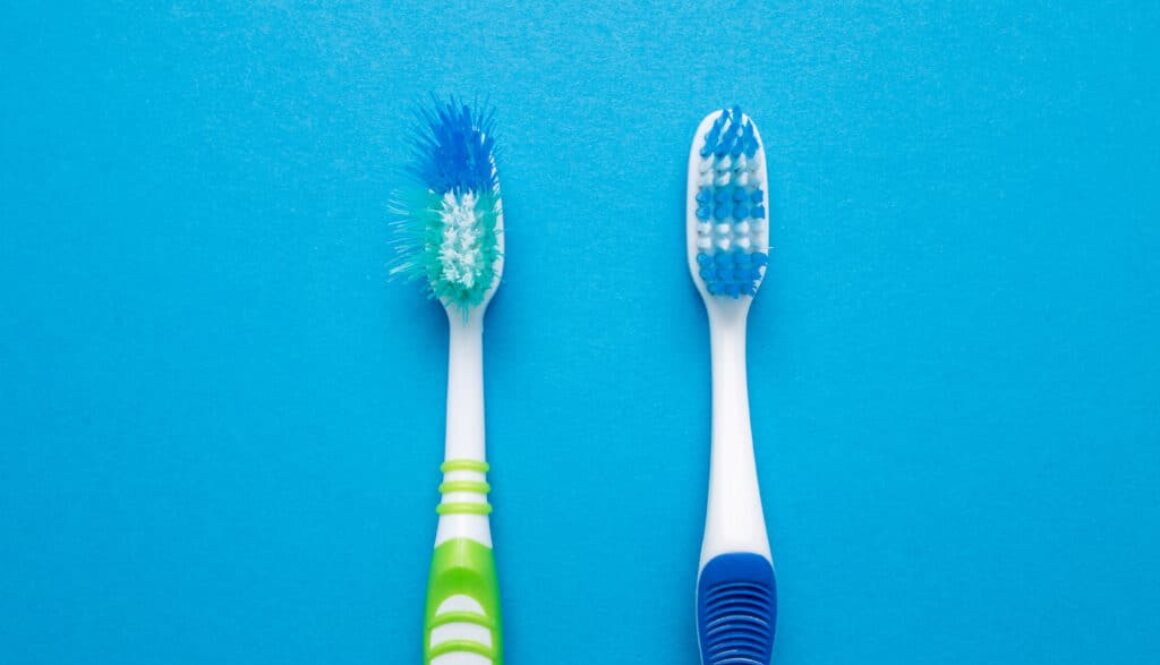
- The bristles become frayed
- The brush shows visible wear
- You’ve recently been sick
A worn toothbrush simply can’t clean teeth as effectively as a new one.
Worn Bristles Don’t Clean as Well
The bristles on your toothbrush are designed to remove plaque, bacteria, and food particles from your teeth and along the gumline.
As bristles wear down, they become:
- Less effective at removing plaque
- Less able to reach tight spaces
- More likely to miss buildup near the gums
This can increase the risk of:
- Cavities
- Gum disease
- Plaque accumulation
- Bad breath
Replacing your toothbrush regularly helps ensure you’re getting the most out of your daily brushing routine.
Bacteria Can Accumulate Over Time
Your toothbrush is exposed to bacteria every time you use it.
While rinsing your toothbrush after brushing helps, bacteria can still collect over time.
A toothbrush may also be exposed to:
- Moisture
- Bathroom germs
- Food particles
Regular replacement helps reduce bacterial buildup and supports better oral hygiene.
Illness Is a Good Reason to Replace Your Toothbrush
Many dentists recommend replacing your toothbrush after recovering from an illness such as:
- A cold
- Flu
- Strep throat
- Other infections
Although the risk of reinfection from a toothbrush is generally low, starting fresh with a new brush can provide peace of mind and support overall hygiene.
Children Often Need New Toothbrushes More Frequently
Kids can be especially tough on toothbrushes.
Children may:
- Brush aggressively
- Chew on toothbrush bristles
- Wear brushes out faster
Parents should check toothbrushes regularly and replace them whenever signs of wear appear.
Electric Toothbrush Heads Need Replacing Too
If you use an electric toothbrush, the brush head should also be replaced regularly.
Most manufacturers recommend changing brush heads every three months, or sooner if bristles become worn.
A fresh brush head helps maintain cleaning effectiveness and supports healthier teeth and gums.
Signs It’s Time for a New Toothbrush
Not sure whether it’s time to replace your toothbrush?
Common signs include:
- Frayed or bent bristles
- Discoloration
- Bristles that spread outward
- Visible wear
- Reduced cleaning performance
If your toothbrush doesn’t look like it did when it was new, it’s probably time for a replacement.
Choosing the Right Toothbrush
Not all toothbrushes are created equal.
Most dentists recommend:
- Soft-bristled toothbrushes
- A brush head that fits comfortably in your mouth
- A toothbrush that’s easy to use consistently
Your dentist can help you choose the best option based on your individual needs.
Toothbrushes Are Only Part of the Equation
Even the best toothbrush works best when combined with:
- Daily flossing
- Healthy eating habits
- Drinking water
- Regular dental visits
A comprehensive oral hygiene routine provides the strongest protection against cavities and gum disease.
Routine Dental Visits Still Matter
Replacing your toothbrush is important, but it doesn’t replace professional dental care.
Regular cleanings and exams help:
- Remove plaque and tartar
- Monitor gum health
- Detect cavities early
- Identify oral health concerns before they worsen
Preventive care remains one of the most effective ways to protect your smile.
Keep Your Smile Healthy With the Right Tools
A toothbrush may seem like a small part of your daily routine, but it plays a major role in maintaining oral health. Replacing it regularly helps ensure you’re effectively removing plaque and protecting your teeth and gums from future problems.
At Young Family Dental Riverton, we’re committed to helping patients build healthy habits that support strong smiles for life.
Schedule your next dental cleaning today and let our team help you keep your smile healthy, fresh, and protected.