

Why Do Teeth Become More Yellow Over Time? Fight Stains With Young Family Dental Highland
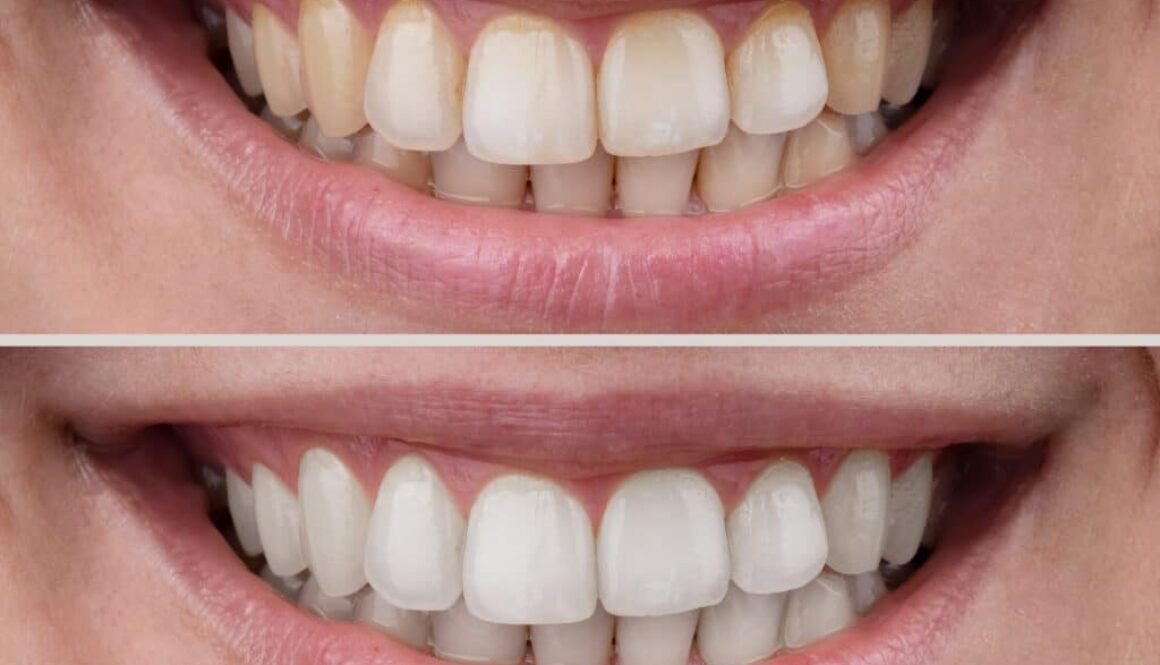
Have you noticed that your teeth aren’t quite as white as they used to be? You’re not alone! Teeth naturally change color over time, and even people who brush and floss regularly may notice their smiles becoming more yellow. While some discoloration is a normal part of aging, other factors like your favorite foods, beverages, and everyday habits can contribute to stains.
The good news? You don’t have to settle for a smile that makes you feel self-conscious. At Young Family Dental Highland, we help patients understand what causes tooth discoloration and explore ways to maintain brighter, healthier smiles.
Whether you’re noticing subtle yellowing or stubborn stains that won’t go away, understanding why teeth change color is the first step toward finding the right solution.
Why Do Teeth Turn Yellow as You Age?
One of the most common reasons teeth become more yellow is the natural aging process. Your teeth have several layers, and two of the most important are enamel and dentin.
Enamel is the hard, protective outer layer of your teeth. Beneath it is dentin, which naturally has a yellowish color.
As you age, enamel gradually becomes thinner due to everyday wear and exposure to acidic foods and drinks. When enamel becomes thinner, more of the yellow dentin underneath can show through, making your teeth appear darker or more yellow.
Additionally, teeth can accumulate stains over the years, contributing to discoloration.
Although age-related yellowing is common, there are steps you can take to protect your enamel and keep your smile looking its best.
Common Causes of Yellow Teeth
Aging isn’t the only reason your teeth may lose their brightness. Several everyday habits and lifestyle factors can contribute to tooth discoloration.
1. Coffee, Tea, and Other Dark Beverages
Love starting your morning with a cup of coffee? Unfortunately, some of your favorite drinks may be contributing to yellow teeth.
Coffee, tea, red wine, and dark sodas contain pigments that can cling to tooth enamel and gradually create stains.
These beverages may also contain acids that contribute to enamel erosion, making discoloration more noticeable over time.
You don’t necessarily have to give up your favorite drinks! Drinking water afterward and maintaining good oral hygiene can help reduce staining.
2. Poor Oral Hygiene
Brushing and flossing are important for more than preventing cavities. They also help keep your teeth looking clean and bright.
When plaque accumulates on your teeth, it can make them appear dull or yellow. Over time, plaque can harden into tartar, which may also become discolored.
Unlike plaque, tartar cannot be removed through regular brushing and flossing. Professional dental cleanings are necessary to remove these hardened deposits.
At Young Family Dental Highland, routine dental cleanings help remove plaque, tartar, and some surface stains while supporting your overall oral health.
3. Tobacco Use
Smoking cigarettes and using other tobacco products can cause significant tooth discoloration.
Tobacco contains substances that can leave yellow or brown stains on tooth surfaces. Over time, these stains may become increasingly difficult to remove with regular brushing.
Tobacco use also increases the risk of gum disease, tooth loss, and other oral health concerns.
Quitting tobacco can help protect both your smile and your overall health.
4. Acidic Foods and Drinks
Foods and beverages high in acidity can gradually weaken tooth enamel.
Common examples include:
-
Citrus fruits and juices
-
Soda and energy drinks
-
Sports drinks
-
Vinegar-based foods
-
Sour candies
Frequent acid exposure can contribute to enamel erosion, allowing more of the underlying yellow dentin to become visible.
One way to protect your teeth is to rinse your mouth with water after consuming acidic foods or beverages. It’s also a good idea to wait approximately 30 to 60 minutes before brushing after significant acid exposure.
5. Certain Medications and Health Conditions
Some medications and medical treatments can affect tooth color.
For example, certain antibiotics taken during tooth development may cause intrinsic discoloration, meaning the staining occurs within the tooth rather than on its surface.
Other factors, including dental injuries and developmental conditions, can also influence tooth color.
If you’ve noticed unusual or sudden discoloration, your dentist can help determine whether an underlying issue needs attention.
What’s the Difference Between Surface Stains and Deep Tooth Discoloration?
Not all tooth stains are the same. Understanding the difference can help you choose the most effective treatment.
Extrinsic stains develop on the outer surface of your teeth. They’re commonly caused by coffee, tea, tobacco, and other staining substances.
These stains may improve with professional dental cleanings or teeth whitening treatments.
Intrinsic stains, on the other hand, develop within the tooth structure. They may result from aging, medications, injuries, or developmental factors.
Because intrinsic discoloration occurs beneath the surface, it may be more difficult to address with traditional whitening products.
Your dentist can evaluate the type of discoloration you’re experiencing and recommend appropriate cosmetic or preventive options.
Can You Prevent Your Teeth From Turning Yellow?
Although you can’t completely stop the natural aging process, you can take steps to minimize staining and protect your enamel.
Here are some simple ways to maintain a brighter smile.
Brush and Floss Consistently
Brush your teeth twice daily using fluoride toothpaste and a soft-bristled toothbrush.
Flossing once a day helps remove plaque and food particles from areas your toothbrush cannot easily reach.
Good oral hygiene can reduce surface staining while helping prevent cavities and gum disease.
Drink More Water
Water is one of the easiest ways to support a healthier smile.
Drinking water throughout the day helps wash away food particles and reduce the amount of time staining substances remain on your teeth.
If you enjoy coffee, tea, or other dark beverages, try drinking water afterward.
Limit Frequent Exposure to Staining Foods and Drinks
You don’t have to eliminate every food or drink that could stain your teeth.
However, reducing how frequently your teeth are exposed to dark beverages and acidic foods may help minimize discoloration.
Drinking certain beverages through a straw may also reduce direct contact with your front teeth.
Avoid Abrasive Whitening Methods
Some popular DIY whitening trends can actually do more harm than good.
Brushing with charcoal, using acidic ingredients like lemon juice, or aggressively scrubbing your teeth may damage enamel.
Because enamel doesn’t grow back once it’s lost, protecting it should always be a priority.
Before trying a new whitening product, ask your dentist whether it’s appropriate for your teeth.
Schedule Regular Dental Cleanings
Professional cleanings are one of the best ways to maintain a healthy, bright smile.
During your appointment, your dental hygienist removes plaque and tartar buildup that regular brushing cannot eliminate.
Professional polishing may also help remove certain surface stains.
Regular dental visits allow your dentist to monitor enamel health and identify potential problems before they become more serious.
Can Professional Teeth Whitening Help Yellow Teeth?
If you’re unhappy with the color of your teeth, professional teeth whitening may be an option worth exploring.
Whitening treatments use specially formulated ingredients to break down certain stains and lighten the appearance of natural teeth.
However, whitening results depend on the cause of discoloration.
For example, stains from coffee and tea may respond differently than discoloration caused by medications or tooth injuries.
It’s also important to remember that whitening treatments do not change the color of crowns, veneers, or tooth-colored fillings.
Before beginning whitening treatment, your dentist should evaluate your teeth and gums to determine whether whitening is appropriate.
At Young Family Dental Highland, our team can discuss your smile goals and help you understand which treatment options may be suitable for your needs.
Are Yellow Teeth Always a Sign of Poor Oral Health?
Not necessarily!
One of the biggest misconceptions about yellow teeth is that they automatically indicate poor dental hygiene.
The truth is that natural tooth color varies from person to person. Some people naturally have thicker enamel, while others have more visible dentin.
Genetics, age, and enamel thickness can all influence the appearance of your smile.
It’s entirely possible to have healthy teeth that aren’t perfectly white.
However, certain changes in tooth color can signal dental concerns. For example, a single tooth that suddenly becomes gray or dark may indicate an injury or another issue requiring professional evaluation.
If you notice an unexpected change in tooth color, scheduling a dental appointment is a good idea.
Keep Your Smile Bright With Young Family Dental Highland
Your smile naturally changes throughout your life, but that doesn’t mean you have to ignore discoloration that bothers you.
From maintaining good oral hygiene to exploring professional treatment options, there are many ways to protect your enamel and improve the appearance of your teeth.
At Young Family Dental Highland, we’re committed to helping individuals and families in Highland, Utah, maintain healthy, confident smiles. Our dental team provides personalized care, preventive services, and guidance to help you make informed decisions about your oral health.
Whether you’re concerned about yellowing teeth, stubborn stains, or simply overdue for a dental cleaning, we’re here to help.
Contact Young Family Dental Highland today to schedule an appointment and take the next step toward a healthier, brighter smile!