


A Healthier Smile Begins with Proper Alignment
When you think about a healthy smile, you may picture clean, cavity-free teeth and healthy gums. But tooth alignment can also play an important role in your overall oral health.
Teeth that are crowded, overlapping, rotated, or improperly positioned can sometimes make everyday brushing and flossing more difficult. Proper alignment can make it easier to clean your teeth, maintain healthy gums, and care for your smile over time.
For patients in Highland, Utah, understanding the connection between tooth alignment and oral health can help you make informed decisions about your dental care.
What Does Proper Alignment Mean?
Proper tooth alignment doesn’t necessarily mean every person’s smile needs to look perfectly straight. Rather, alignment refers to how your teeth fit together and their position within your mouth.
When teeth are significantly crowded, rotated, or spaced irregularly, they may create areas that are more difficult to clean. Your bite can also be affected when the upper and lower teeth don’t come together properly.
Depending on your individual needs, your dentist may recommend orthodontic treatment to improve the position of your teeth and create a healthier, more functional bite.
How Alignment Can Affect Oral Hygiene
One of the biggest advantages of properly aligned teeth is that they can be easier to keep clean.
Crowded or overlapping teeth can create tight spaces where plaque and food particles become trapped. These areas may be difficult to reach with a toothbrush or floss.
When teeth are more evenly positioned, brushing and flossing may become more straightforward. Better access can help you remove plaque more effectively as part of your daily oral hygiene routine.
Proper alignment doesn’t replace good oral hygiene, but it can make maintaining that routine easier.
Proper Alignment May Support Healthier Gums
Your gums are an important part of your oral health, and keeping them free of plaque is essential.
When plaque accumulates around the gumline, it can contribute to inflammation and gingivitis. If gum problems aren’t addressed, they can potentially progress to more serious periodontal disease.
Crowded teeth can make cleaning along the gumline more challenging. Improving alignment may make it easier to access these areas during brushing and flossing.
If you notice persistent bleeding, redness, swelling, or tenderness in your gums, talk with your dental provider.
A Healthy Bite Matters, Too
Alignment isn’t only about how straight your teeth look.
The way your upper and lower teeth come together affects your bite. Problems with bite alignment may contribute to uneven pressure on certain teeth or make chewing less comfortable.
Orthodontic treatment may be recommended when bite issues affect oral function or create concerns for long-term dental health.
Your dentist can evaluate your bite and determine whether further assessment or treatment may be appropriate.
Alignment Can Make Flossing Easier
Flossing is an essential part of oral hygiene because toothbrushes cannot effectively clean between teeth.
However, flossing around crowded or overlapping teeth can be challenging. You may have trouble getting the floss between certain teeth or maneuvering it around areas where teeth aren’t properly aligned.
When teeth are positioned more evenly, cleaning between them may be easier.
Making flossing convenient can also make it easier to stay consistent with this important daily habit.
Straighter Teeth May Be Easier to Maintain
Properly aligned teeth can make your oral hygiene routine more efficient.
When teeth are crowded, you may need to spend additional time brushing from different angles or using specialized tools to reach certain areas. With improved alignment, your toothbrush and floss may have better access to the surfaces that need cleaning.
However, even straight teeth require consistent care.
To maintain a healthy smile, remember to:
- Brush twice a day for two minutes.
- Use fluoride toothpaste.
- Clean between your teeth every day.
- Visit your dentist for regular exams and cleanings.
- Limit frequent sugary foods and drinks.
- Wear a mouthguard when recommended for sports.
- Address dental concerns before they become more serious.
What Are Your Options for Improving Alignment?
If you have crowded, crooked, or overlapping teeth, there may be several ways to improve your smile’s alignment.
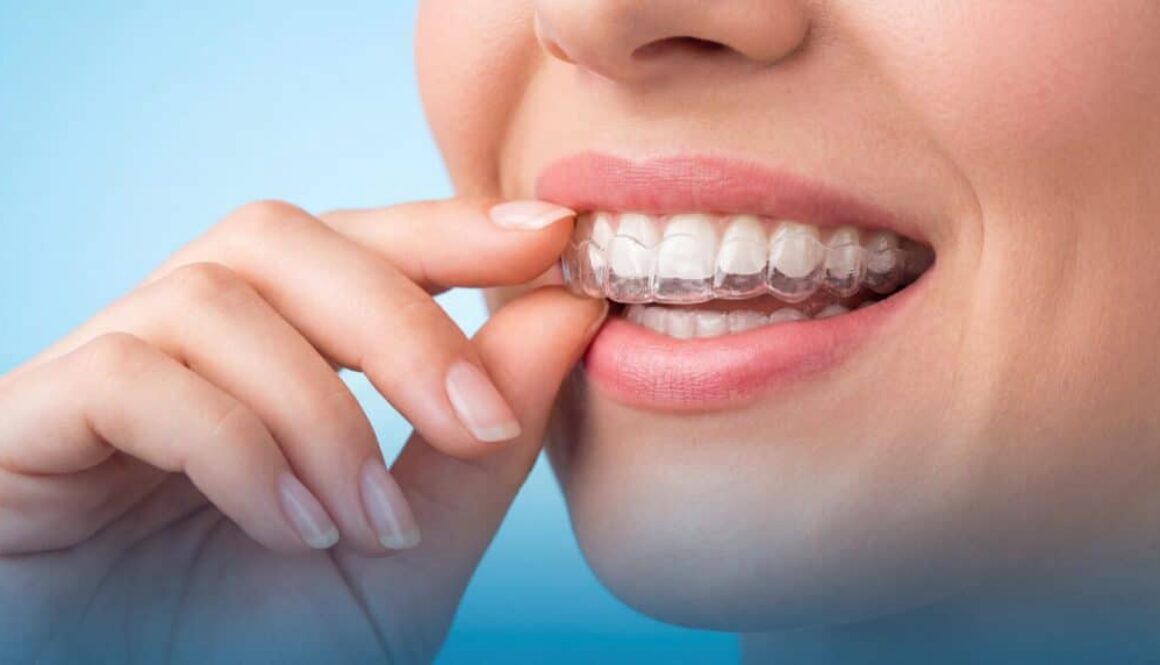
Depending on your age, dental health, bite, and treatment goals, your dentist may discuss orthodontic options such as ClearCorrect aligners.
Clear aligners can be an appealing option for some patients because they are removable and designed to gradually move teeth into their recommended positions.
Not every treatment is right for every patient, which is why an individualized evaluation is important.
Alignment and Oral Health Go Hand in Hand
A straighter smile can provide cosmetic benefits, but the potential oral health benefits are worth considering, too.
Improved alignment may make brushing and flossing easier, help you access hard-to-clean areas, and support a healthier bite. When combined with good daily hygiene and regular dental care, proper alignment can be part of a long-term approach to maintaining your smile.
If you’re unhappy with the alignment of your teeth or have concerns about crowding, spacing, or your bite, talk with your dental team about your options.
A Healthier Smile Starts With the Right Foundation
Your smile is unique, and your dental needs can change throughout your life. Proper alignment is just one part of maintaining excellent oral health, but it can make daily care easier and contribute to the function and longevity of your smile.
At Young Family Dental Highland, we’re proud to provide personalized dental care for patients and families in Highland. If you’re interested in improving your tooth alignment or simply want to learn more about how alignment can affect your oral health, our team can help you understand your options.
A healthier smile begins with proper alignment—and a commitment to taking care of it every day.