


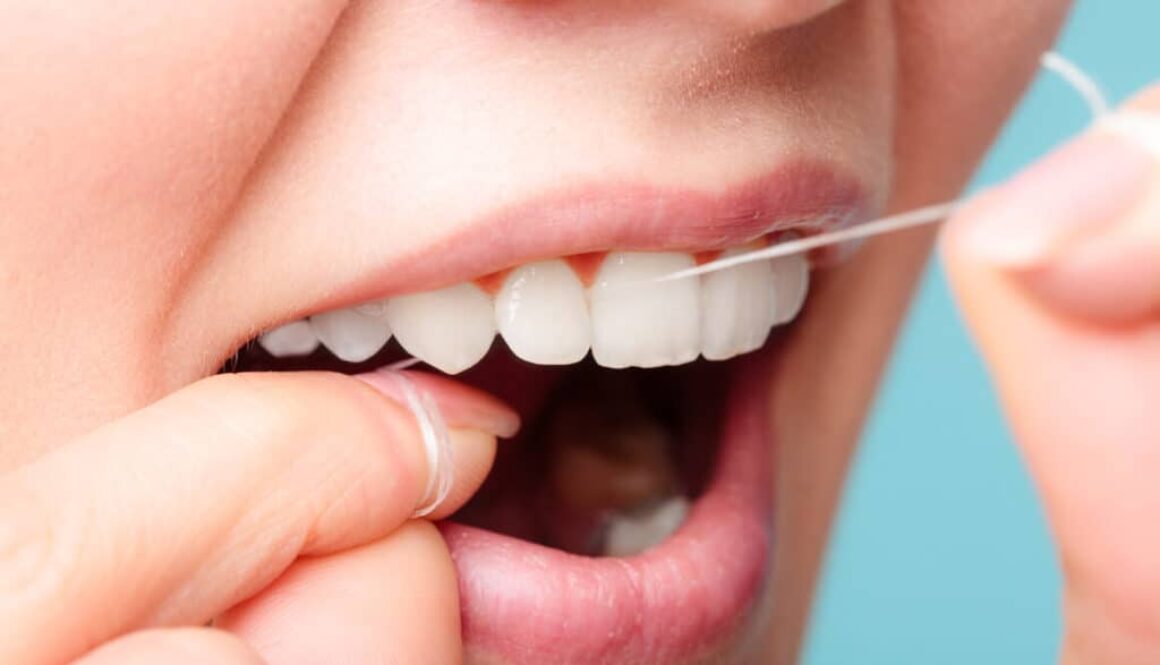
What Happens If You Don’t Floss Every Day? Tips from Young Family Dental Herriman
You brush your teeth twice a day, so do you really need to floss every day, too? It can be tempting to skip this step, especially when you’re tired or in a hurry. But your toothbrush can’t effectively clean every surface of your teeth.
The spaces between your teeth and along the gumline can collect plaque, bacteria, and food particles. Without regular cleaning, this buildup can contribute to cavities, gum inflammation, bad breath, and other oral health concerns.
At Young Family Dental in Herriman, Utah, we encourage patients to make cleaning between their teeth part of their daily oral hygiene routine. Here’s what can happen when you regularly skip flossing—and some tips for making the habit easier.
Why Isn’t Brushing Enough?
Brushing is one of the most important things you can do for your oral health. However, even a great toothbrush has limitations.
Toothbrush bristles clean the front, back, and chewing surfaces of your teeth, but they don’t always reach effectively into the tight spaces between teeth.
Plaque can accumulate in these areas if it isn’t removed.
Plaque is a sticky film containing bacteria that continually forms on your teeth. Regular brushing and flossing help remove plaque before it creates additional problems.
When you skip cleaning between your teeth, you’re leaving some tooth surfaces without the same daily attention.
Plaque Can Build Up Between Your Teeth
Plaque doesn’t take a day off when you decide not to floss.
Bacteria in plaque interact with sugars and carbohydrates from the foods and beverages you consume. This process produces acids that can attack tooth enamel.
Regularly cleaning between your teeth helps remove plaque and food debris from areas your toothbrush may miss.
When plaque isn’t effectively removed, it can also harden into tartar, or dental calculus. Unlike soft plaque, tartar can’t simply be brushed or flossed away at home. It requires removal during a professional dental cleaning.
Skipping Flossing Can Increase Your Risk of Cavities
Cavities don’t only form on the visible chewing surfaces of teeth.
They can also develop between neighboring teeth, where they may be difficult to notice yourself.
When plaque and food particles remain between teeth, bacteria have an opportunity to produce enamel-damaging acids. Over time, repeated acid exposure can contribute to tooth decay.
Interproximal cavities, or cavities between teeth, may not cause obvious symptoms when they’re small. Dental X-rays can sometimes reveal these areas of decay before they become painful.
Daily interdental cleaning, along with fluoride toothpaste and regular dental visits, can help reduce your risk of developing cavities.
Your Gums May Become Inflamed
Flossing isn’t only about preventing cavities. It’s also important for your gums.
When plaque accumulates along and beneath the gumline, the gums can become irritated and inflamed. This early stage of gum disease is called gingivitis.
Signs of gingivitis can include:
- Red or swollen gums
- Tender gums
- Bleeding while brushing or flossing
- Persistent bad breath
- Changes in the way your gums look or feel
Gingivitis can often be improved with better oral hygiene and professional dental care. However, if gum disease progresses, it can begin affecting the tissues and bone that support your teeth.
Keeping the spaces between your teeth clean is an important part of protecting your gums.
Why Do My Gums Bleed When I Floss?
Some people stop flossing because they notice blood and assume flossing is hurting their gums.
If you’ve recently started flossing after not doing it regularly, your gums may bleed because they’re already inflamed from plaque buildup.
With consistent, gentle cleaning, bleeding related to mild gum inflammation may improve as your gums become healthier.
Technique matters, though. Snapping floss forcefully into your gums can irritate the tissue.
Guide the floss gently between your teeth, curve it into a C-shape around the side of each tooth, and carefully move it up and down along the tooth surface and just beneath the gumline.
If your gums continue bleeding despite consistent oral hygiene, schedule a dental examination. Persistent bleeding can be a sign of gum disease or another concern that needs attention.
Not Flossing May Contribute to Bad Breath
If you’ve brushed your teeth but still notice persistent bad breath, the spaces between your teeth could be part of the problem.
Food particles and plaque can collect in areas your toothbrush doesn’t reach well. Bacteria can break down this material and contribute to unpleasant odors.
Flossing or using another appropriate interdental cleaner helps remove buildup from these spaces.
Of course, bad breath can have several causes, including dry mouth, gum disease, certain foods, tobacco use, and some medical conditions. Persistent bad breath is worth discussing with your dentist.
Can You Floss Too Hard?
Yes. Flossing is supposed to clean your teeth and gums, not injure them.
Forcing floss between your teeth or repeatedly snapping it against the gums may cause soreness or irritation.
Instead, use controlled movements.
Slide the floss carefully between two teeth. Wrap it gently around one tooth and move it along the side of that tooth. Then repeat the process on the neighboring tooth before moving to the next space.
The goal is to remove plaque without traumatizing your gums.
What If Traditional Floss Is Difficult to Use?
Traditional string floss isn’t the only way to clean between your teeth.
Depending on your smile and individual needs, alternatives may include:
- Floss picks
- Interdental brushes
- Water flossers
- Specialized floss for braces or dental restorations
For some patients, the best tool is simply the one they’ll use consistently and correctly.
If you have braces, bridges, implants, significant spacing between teeth, or another dental situation that makes flossing challenging, ask your dental team to demonstrate an appropriate technique or recommend a product.
How Can You Make Flossing a Daily Habit?
If flossing feels like a chore, try attaching it to something you already do every day.
Keep floss next to your toothbrush so you see it during your normal routine. Some people prefer flossing before brushing, while others prefer doing it afterward. The important thing is consistency.
You can also floss at a different time of day if nighttime isn’t convenient. There is no rule that says flossing has to happen immediately before bed.
Start by focusing on technique rather than speed. As the habit becomes more familiar, flossing your entire mouth typically becomes much easier.
Is It Too Late to Start Flossing?
No.
If you haven’t been flossing regularly, starting now can still benefit your oral health.
Your gums may initially feel tender or bleed slightly, particularly if plaque has accumulated along the gumline. Be gentle and consistent.
If you notice significant bleeding, pain, swelling, gum recession, loose teeth, or other concerning changes, schedule an appointment rather than assuming the symptoms are simply caused by starting to floss.
A professional dental cleaning may also be necessary to remove tartar that has already hardened onto the teeth.
Flossing Works Best With a Complete Oral Hygiene Routine
Flossing is important, but it’s only one part of protecting your smile.
Brush your teeth twice a day with fluoride toothpaste, clean between your teeth daily, and limit frequent exposure to sugary foods and drinks.
Regular dental exams and professional cleanings are also essential. Even excellent home care can’t remove tartar once it has formed, and routine visits allow your dentist to look for early signs of cavities and gum disease.
Together, these habits can help keep your teeth and gums healthier over the long term.
Keep Your Smile Healthy at Young Family Dental Herriman
Skipping floss every once in a while doesn’t mean your smile is doomed. But consistently ignoring the spaces between your teeth leaves plaque and bacteria in areas your toothbrush may not adequately clean.
Over time, that buildup may contribute to cavities, gum inflammation, tartar, and bad breath.
At Young Family Dental in Herriman, we’re here to help you build an oral hygiene routine that works for your smile. If you’re unsure about your flossing technique, have gums that bleed when you floss, or simply haven’t had a professional cleaning recently, our team can help.
Schedule your next appointment with Young Family Dental Herriman and give every surface of your smile the attention it deserves.