

Porcelain Veneers: Could They Transform Your Smile in American Fork?
Have you ever wished you could change something about your smile? Maybe you have a chipped tooth, stubborn discoloration that doesn’t respond to whitening, or small gaps between your teeth that make you feel self-conscious. While these concerns may not always affect your oral health, they can influence how confident you feel when smiling, speaking, or taking photos.
Fortunately, cosmetic dentistry offers several ways to improve the appearance of your teeth. One popular option is porcelain veneers, which are thin, custom-made shells designed to cover the front surfaces of teeth and create a more uniform, natural-looking smile.
At Young Family Dental American Fork, we understand that every smile is unique. Whether you’re interested in correcting minor imperfections or exploring a more noticeable smile transformation, learning about porcelain veneers can help you decide whether they’re the right choice for your goals.
What Are Porcelain Veneers?
Porcelain veneers are thin shells made from dental ceramic that are bonded to the front surfaces of teeth.
They’re designed to improve the appearance of teeth by changing their visible shape, size, color, or proportions.
Unlike dental crowns, which typically cover the entire visible portion of a tooth, veneers generally cover only the front surface and a small portion of the edges.
Each veneer is customized to complement your surrounding teeth and facial features.
Porcelain is a popular material for veneers because it can closely resemble the translucency and appearance of natural tooth enamel.
When properly designed and maintained, porcelain veneers can provide a durable, natural-looking cosmetic improvement.
What Dental Problems Can Porcelain Veneers Fix?
One reason porcelain veneers are popular is their versatility. They can address several cosmetic concerns at once.
1. Stubborn Tooth Discoloration
Professional teeth whitening can improve many types of stains, but some discoloration doesn’t respond well to bleaching treatments.
For example, certain medication-related stains, developmental discoloration, or changes following a dental injury may be difficult to correct with whitening alone.
Porcelain veneers can cover the visible surfaces of affected teeth, helping create a brighter and more consistent appearance.
Unlike natural enamel, porcelain is relatively resistant to staining from coffee, tea, and other dark beverages.
However, surrounding natural teeth can still change color over time, making good oral hygiene and regular dental visits important.
2. Chipped or Worn Teeth
Small chips and uneven tooth edges can make your smile appear less symmetrical.
Teeth may become chipped or worn due to injuries, grinding, or everyday wear.
Porcelain veneers can sometimes restore the appearance of minor chips and create smoother, more uniform tooth edges.
However, teeth with significant structural damage may require other treatments, such as dental crowns.
Your dentist will evaluate the condition of your teeth before recommending veneers.
3. Small Gaps Between Teeth
Do you have small spaces between your front teeth?
While gaps aren’t always a dental health concern, some patients prefer a more uniform appearance.
Porcelain veneers may be used to close certain small gaps by slightly changing the visible width and shape of the teeth.
For larger gaps or spacing caused by bite alignment issues, orthodontic treatment may be a more appropriate option.
4. Uneven or Irregularly Shaped Teeth
Not everyone’s teeth develop with the same shape or proportions.
Some people naturally have smaller teeth, uneven edges, or teeth that appear slightly different in length.
Veneers can help create a more balanced appearance by adjusting the visible contours of selected teeth.
This can be especially helpful for patients who want a more symmetrical smile.
5. Minor Cosmetic Alignment Concerns
In some cases, porcelain veneers can improve the appearance of teeth that look slightly crooked or uneven.
However, veneers don’t physically straighten teeth or correct underlying bite problems.
Patients with significant crowding, misalignment, or bite concerns may benefit more from orthodontic treatment.
At Young Family Dental American Fork, a thorough dental evaluation can help determine which cosmetic options best match your needs.
What Are the Benefits of Porcelain Veneers?
Porcelain veneers offer several advantages for patients looking to enhance their smiles.
Natural-looking results: Dental porcelain can mimic the color and light-reflecting properties of natural enamel.
Customized appearance: Veneers are designed to complement your tooth shape, facial features, and smile goals.
Stain resistance: Porcelain generally resists surface staining better than natural tooth enamel.
Multiple cosmetic improvements: Veneers can address certain concerns involving tooth color, shape, size, and spacing.
Long-lasting results: With proper care, porcelain veneers can last for many years.
Confidence in your smile: Improving cosmetic concerns may help you feel more comfortable smiling and speaking.
Although veneers offer several benefits, they’re not appropriate for everyone. Understanding the treatment process and long-term maintenance requirements is important before making a decision.
What Happens During the Porcelain Veneers Procedure?
If you’re considering porcelain veneers in American Fork, Utah, you may be wondering what to expect.
The process typically involves several steps and may require multiple appointments.
Step 1: Cosmetic Dentistry Consultation
Your dentist begins by examining your teeth and gums and discussing your smile goals.
This appointment may include dental X-rays, photographs, or digital scans to evaluate your oral health and plan treatment.
Your dentist will also assess whether your teeth have enough healthy enamel to support veneers.
If you have untreated cavities, gum disease, or other dental concerns, those issues may need to be addressed first.
Step 2: Preparing Your Teeth
For traditional porcelain veneers, a small amount of enamel is usually removed from the front surface of each tooth being treated.
This creates space for the veneer and helps it fit naturally without making the tooth appear bulky.
Because enamel removal is generally irreversible, traditional porcelain veneers are considered a permanent alteration to your natural teeth.
Some minimal-preparation veneers require less enamel removal, but they aren’t suitable for every patient.
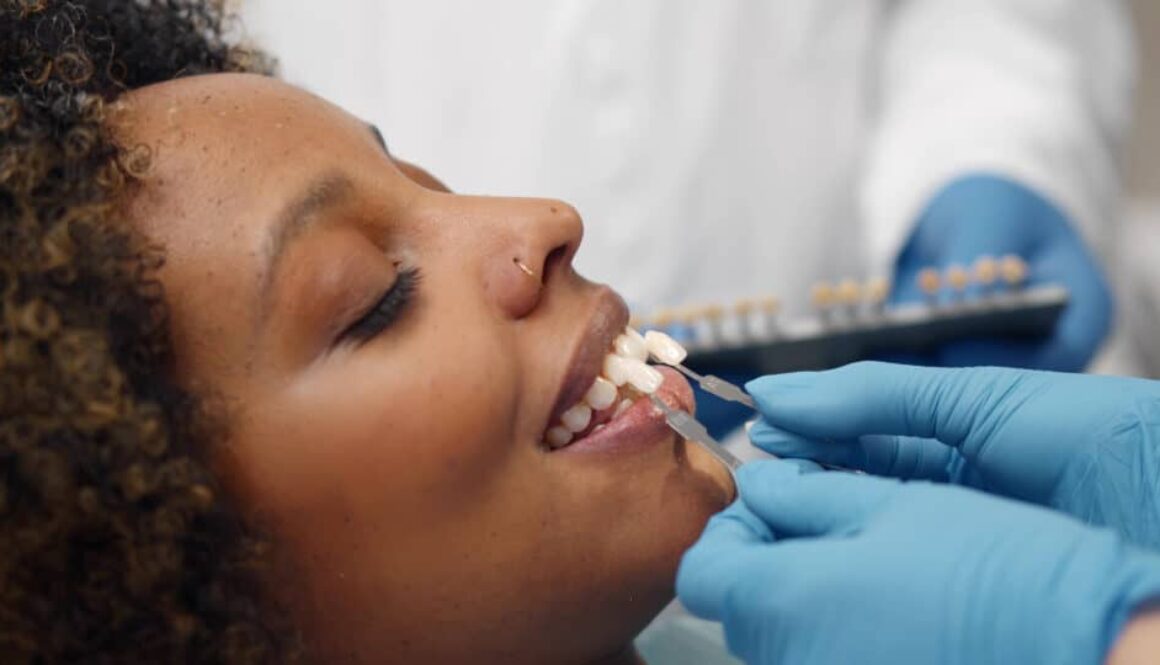
Step 3: Taking Impressions or Digital Scans
After preparing your teeth, your dentist takes impressions or digital scans.
These measurements help create custom veneers designed to fit your teeth and achieve the desired appearance.
Temporary veneers may be placed while your permanent restorations are being fabricated.
Step 4: Bonding Your Porcelain Veneers
Once your custom veneers are ready, your dentist checks their fit, shape, and color.
Adjustments may be made to help ensure the restorations complement your smile and bite.
The veneers are then bonded to your teeth using dental adhesive.
After placement, your dentist will provide instructions for maintaining your new smile.
How Long Do Porcelain Veneers Last?
Porcelain veneers are designed to be durable, but they don’t last forever.
With proper care, many porcelain veneers last approximately 10 to 15 years, and some may last longer.
Their lifespan depends on several factors, including:
-
Daily brushing and flossing habits
-
Teeth grinding or clenching
-
The health of the underlying teeth and gums
-
The quality of the bonding and restoration
-
Exposure to excessive biting forces
-
Regular dental examinations and cleanings
Although porcelain is strong, veneers can still chip, crack, or become loose.
Over time, they may require repair or replacement.
Patients considering veneers should understand that maintaining their results involves ongoing dental care and the possibility of future treatment.
How Do You Care for Porcelain Veneers?
One of the advantages of porcelain veneers is that they don’t require an entirely new oral hygiene routine.
However, proper care is essential for protecting both the veneers and the natural teeth underneath.
Brush and Floss Every Day
Brush twice daily using fluoride toothpaste and a soft-bristled toothbrush.
Floss at least once a day to remove plaque from between your teeth and along the gumline.
Although porcelain itself cannot develop cavities, the natural tooth structure surrounding and beneath a veneer can still experience decay.
Avoid Using Your Teeth as Tools
Don’t use your teeth to open packages, tear tape, or bite objects that aren’t food.
These habits can place unnecessary stress on veneers and increase the risk of damage.
Be Careful With Very Hard Foods
Porcelain veneers can withstand normal chewing, but biting directly into extremely hard foods or chewing ice may cause chips or fractures.
Your dentist may recommend modifying certain habits to help protect your restorations.
Address Teeth Grinding
If you grind or clench your teeth, especially while sleeping, the added pressure may damage your veneers.
A custom nightguard may help reduce excessive forces on your teeth and restorations.
Schedule Regular Dental Visits
Routine dental examinations allow your dentist to check the condition of your veneers and monitor the health of your natural teeth.
Professional cleanings also help maintain healthy gums and remove plaque buildup.
At Young Family Dental American Fork, preventive care is an important part of maintaining a healthy, attractive smile.
Porcelain Veneers vs. Teeth Whitening: Which Is Better?
If your main concern is tooth discoloration, you may be wondering whether veneers or professional whitening would be the better choice.
Both treatments can improve the appearance of your smile, but they work differently.
Teeth whitening uses bleaching agents to lighten stains within natural teeth. It’s generally less invasive and preserves natural tooth structure.
However, whitening may not correct certain types of discoloration and cannot change the shape or size of teeth.
Porcelain veneers cover the front surfaces of teeth, allowing dentists to change their visible color, shape, and proportions.
Because veneers usually require enamel removal, they’re a more invasive and long-term commitment than whitening.
For patients whose primary concern is staining, professional whitening may be worth considering before veneers.
Your dentist can explain the advantages and limitations of each treatment.
Are Porcelain Veneers Right for Everyone?
Although porcelain veneers can provide noticeable cosmetic improvements, not every patient is an ideal candidate.
Veneers may be appropriate for patients who:
-
Have generally healthy teeth and gums
-
Want to improve the appearance of chipped or uneven teeth
-
Have discoloration that doesn’t respond well to whitening
-
Have minor gaps or cosmetic irregularities
-
Have enough healthy enamel to support bonding
-
Understand the long-term maintenance requirements
Patients with untreated tooth decay, active gum disease, significant enamel loss, or severe teeth grinding may need other treatment before considering veneers.
It’s also important to have realistic expectations.
Veneers can improve the appearance of your smile, but they cannot prevent cavities, correct major bite problems, or replace the need for routine dental care.
A consultation can help determine whether veneers are suitable for your individual circumstances.
Are There Alternatives to Porcelain Veneers?
Porcelain veneers aren’t the only way to improve the appearance of your teeth.
Depending on your concerns, other cosmetic and restorative treatments may be appropriate.
Professional Teeth Whitening
Whitening can help lighten certain stains and discoloration without changing the shape of your teeth.
It’s often a more conservative option for patients whose main concern is tooth color.
Dental Bonding
Dental bonding uses tooth-colored composite resin to repair small chips, improve tooth shape, or close minor gaps.
Bonding typically requires less enamel removal than traditional porcelain veneers, although it may be more susceptible to staining and wear.
Dental Crowns
Dental crowns cover the entire visible portion of a tooth and may be recommended when a tooth has significant structural damage.
Unlike veneers, crowns provide broader coverage and may help protect weakened teeth.
Orthodontic Treatment
For patients with crooked teeth, crowding, or bite problems, orthodontic treatment may be a better long-term solution.
Straightening teeth addresses their actual position rather than simply changing their appearance.
At Young Family Dental American Fork, our goal is to help patients understand their options and choose treatments that support both appearance and oral health.
Transform Your Smile With Young Family Dental American Fork
Your smile is an important part of how you express yourself. If chipped, discolored, uneven, or irregularly shaped teeth are affecting your confidence, cosmetic dentistry may offer solutions worth exploring.
Porcelain veneers can provide a natural-looking way to improve several cosmetic concerns, helping create a more balanced and uniform smile.
However, every patient’s needs are different, and choosing the right treatment begins with understanding your oral health and personal goals.
At Young Family Dental American Fork, we’re committed to helping patients and families throughout American Fork, Utah, maintain healthy, confident smiles. Our dental team can evaluate your teeth, discuss your cosmetic concerns, and help you explore whether porcelain veneers or another treatment option may be appropriate.
You deserve to feel confident about your smile!
Contact Young Family Dental American Fork today to schedule a consultation and learn more about your cosmetic dentistry options.