


How Bruxism During Sleep Affects Your Teeth
Bruxism, or teeth grinding, is a common condition that often occurs during sleep, leading to various dental health issues. At Young Family Dental, we understand the importance of addressing bruxism early to prevent long-term damage to your teeth and overall oral health. Here’s how bruxism during sleep affects your teeth and some tips to help manage this condition.
Understanding Bruxism
Bruxism involves the involuntary grinding or clenching of teeth, usually during sleep. This condition can be triggered by factors such as stress, anxiety, sleep disorders, and misaligned teeth. If left untreated, bruxism can lead to significant dental problems and affect your quality of life.
Effects of Bruxism on Your Teeth
1. Tooth Wear and Damage
Constant grinding of teeth causes the enamel, the outer protective layer of your teeth, to wear down. This can result in flattened, chipped, or cracked teeth. Over time, the loss of enamel makes your teeth more susceptible to decay and sensitivity.
2. Tooth Sensitivity
As the enamel wears away, the underlying dentin becomes exposed, leading to increased tooth sensitivity. You may experience discomfort when consuming hot, cold, sweet, or acidic foods and beverages.
3. Gum Recession
Bruxism can also contribute to gum recession, where the gum tissue pulls away from the teeth. This exposes the roots of your teeth, making them more vulnerable to decay and increasing the risk of tooth loss.
4. Jaw Pain and TMJ Disorders
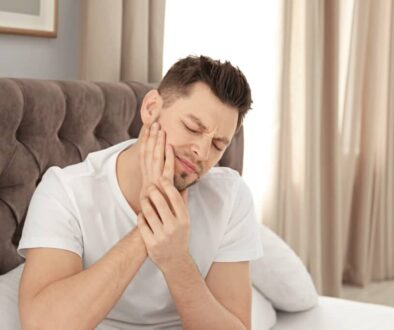
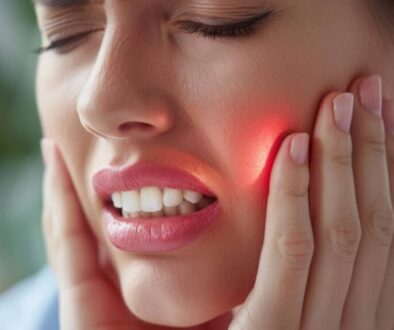
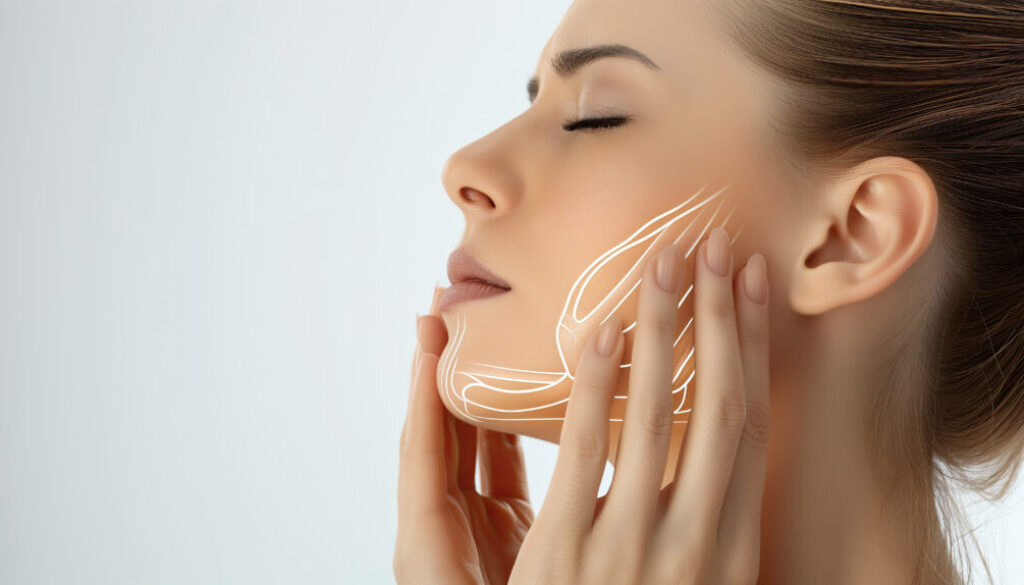
Chronic grinding and clenching put excessive strain on your jaw muscles and joints, leading to jaw pain, headaches, and temporomandibular joint (TMJ) disorders. TMJ disorders can cause pain and dysfunction in the jaw joint and surrounding muscles.
5. Cracked and Broken Teeth
The excessive pressure from grinding can cause teeth to crack or break. This not only affects the appearance of your smile but also compromises the structural integrity of your teeth, requiring restorative dental treatments.
Tips to Manage Bruxism
Managing bruxism effectively requires a combination of lifestyle changes and professional dental care. Here are some tips to help you manage this condition:
1. Wear a Night Guard
A night guard is a custom-made dental appliance that fits over your teeth and provides a protective barrier between your upper and lower teeth. Wearing a night guard while you sleep can prevent teeth grinding and minimize the damage caused by bruxism.
2. Reduce Stress and Anxiety
Since stress and anxiety are common triggers for bruxism, finding ways to manage them can help reduce teeth grinding. Practice relaxation techniques such as deep breathing, meditation, yoga, or regular exercise to lower stress levels.
3. Maintain Good Sleep Hygiene
Establishing a regular sleep routine and creating a relaxing bedtime environment can improve your sleep quality and reduce bruxism episodes. Avoid caffeine and electronic devices before bed, and ensure your bedroom is cool, dark, and quiet.
4. Limit Alcohol and Caffeine
Alcohol and caffeine can exacerbate bruxism. Limiting or avoiding these substances, especially in the hours leading up to bedtime, can help reduce teeth grinding during sleep.
5. Correct Dental Issues
Misaligned teeth or an abnormal bite can contribute to bruxism. Consult with your dentist to determine if orthodontic treatment or other dental procedures are necessary to correct these issues and reduce grinding.
6. Regular Dental Checkups
Regular dental checkups are essential for monitoring the effects of bruxism and catching any dental issues early. Your dentist can provide personalized advice and treatment options to manage bruxism effectively.
Get Better Sleep with Help from Young Family Dental
Bruxism during sleep can have serious consequences for your dental health if left untreated. By understanding its effects and taking proactive steps to manage it, you can protect your teeth and maintain a healthy, pain-free smile. At Young Family Dental, we are dedicated to helping you address bruxism and achieve optimal oral health. If you suspect you have bruxism or need assistance with managing this condition, don’t hesitate to contact us. Let us help you preserve your smile and improve your overall well-being.