


eeth Grinding and Jaw Pain — Stress, Sleep, and Your Smile | American Fork
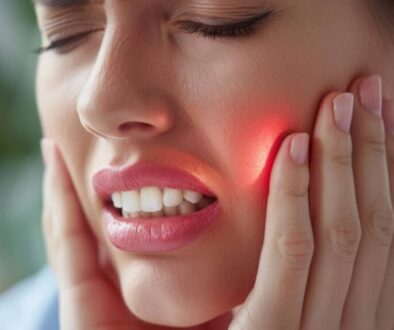
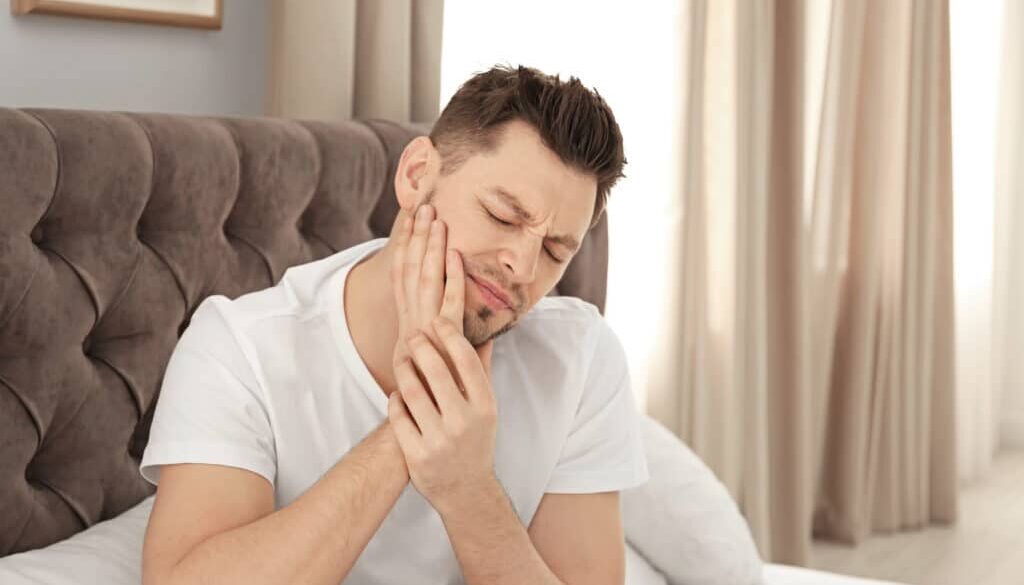
Do you wake up with a sore jaw, headaches, or sensitive teeth? You might be grinding or clenching your teeth without even realizing it. Teeth grinding, also known as bruxism, is a common issue that often happens during sleep and is closely connected to stress and sleep quality.
At Young Family Dental American Fork, we help patients identify the signs of teeth grinding early so they can protect their smile and prevent long term damage.
What Is Teeth Grinding?
Teeth grinding occurs when you clench or grind your teeth together, most often while sleeping. Because it happens subconsciously, many people are unaware they are doing it until symptoms appear or a dentist notices signs during an exam.
Common signs of teeth grinding include:
-
Jaw pain or tightness
-
Headaches, especially in the morning
-
Worn, flattened, or chipped teeth
-
Tooth sensitivity
-
Clicking or popping in the jaw
-
Facial or ear pain
How Stress Plays a Role
Stress is one of the biggest contributors to teeth grinding. Daily pressures from work, family, finances, or major life changes can cause the jaw muscles to tense, especially at night. Even if you do not feel stressed during the day, your body may still respond while you sleep.
Over time, this constant tension can lead to jaw pain, muscle fatigue, and damage to the teeth.
The Connection Between Sleep and Bruxism
Poor sleep quality and sleep disorders can increase the likelihood of teeth grinding. Interrupted sleep, snoring, and sleep apnea are often linked with bruxism. When the body does not fully relax during sleep, jaw clenching becomes more likely.
Grinding at night can also create a cycle where jaw pain and headaches disrupt sleep, making symptoms worse over time.
How Teeth Grinding Affects Your Smile
Left untreated, teeth grinding can cause serious oral health issues, including:
-
Cracked or broken teeth
-
Accelerated enamel wear
-
Gum recession
-
Jaw joint strain and TMJ discomfort
-
Increased need for restorative dental treatment
Early intervention is key to preventing long term damage.
How Teeth Grinding Is Treated
Treatment for bruxism depends on the cause and severity. Common options include:
-
Custom night guards to protect teeth during sleep
-
Addressing bite alignment issues
-
Stress management techniques
-
Monitoring sleep habits and related conditions
A custom night guard is often the most effective way to reduce damage and relieve jaw tension.
When to See a Dentist
If you notice jaw pain, headaches, or changes in your teeth, it is important to schedule a dental visit. A dentist can identify signs of grinding early and recommend solutions to protect your smile.
Protect Your Smile and Your Comfort
Teeth grinding may start with stress or poor sleep, but it does not have to lead to permanent damage. With the right care, symptoms can be managed and your smile protected.
At Young Family Dental American Fork, we are here to help you find relief from jaw pain and protect your teeth. If you suspect you may be grinding your teeth, schedule an appointment today and take the first step toward better sleep and a healthier smile.