



The Most Effective Ways to Fight Dental Plaque with Young Family Dental Highland
Maintaining a healthy, bright smile starts with the basics of good oral hygiene, and one of the most important habits to form is plaque prevention. Dental plaque is a sticky, colorless film of bacteria that constantly forms on your teeth, especially after eating or drinking. While it’s a natural part of the mouth’s ecosystem, if not removed regularly, plaque can lead to serious oral health issues like cavities, gum disease, and bad breath.
At Young Family Dental Highland, we want to help you understand the best ways to fight plaque and keep your smile healthy for years to come. In this blog, we’ll explore effective methods for plaque removal and prevention, ensuring that you have the knowledge and tools to maintain optimal oral health.
What is Dental Plaque?
Plaque forms when bacteria in the mouth interact with sugars and starches in food, creating a sticky film on the surface of your teeth. This film is often invisible, making it easy to overlook, but if left untreated, plaque hardens into tartar (or calculus), which can only be removed by a dentist or hygienist during a professional cleaning.
Plaque buildup can cause a number of problems, including:
- Cavities: Plaque harbors bacteria that produce acids, which can erode tooth enamel and lead to cavities.
- Gum Disease: The bacteria in plaque irritate the gums, leading to gingivitis (early gum disease) or periodontitis (advanced gum disease).
- Bad Breath: Plaque can cause an unpleasant odor in the mouth, also known as halitosis.
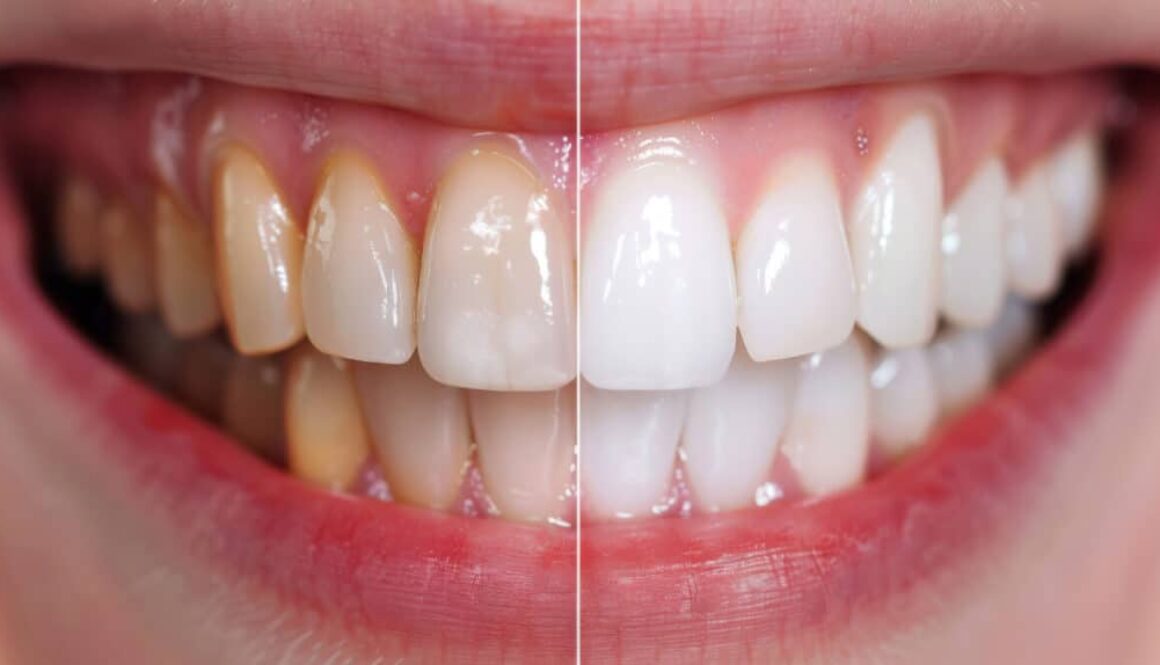
- Tooth Discoloration: Over time, plaque can contribute to yellowing of the teeth.
To fight plaque effectively, it’s essential to take proactive steps in both your daily oral care routine and professional dental visits.
1. Brush Your Teeth Properly and Regularly
The most fundamental step in plaque prevention is brushing your teeth at least twice a day. Brushing effectively removes plaque before it can harden into tartar and cause damage to your teeth and gums. Here are some tips to make sure you’re brushing properly:
- Use a Fluoride Toothpaste: Fluoride helps strengthen tooth enamel and fights plaque buildup. Make sure to use a toothpaste with fluoride and avoid brushing with abrasive or overly harsh products.
- Brush for Two Minutes: Aim to brush your teeth for at least two minutes. This gives you enough time to thoroughly clean all surfaces of your teeth and gums.
- Use a Soft-Bristled Toothbrush: A soft-bristled brush is gentle on your gums and enamel while still effective at removing plaque. Consider switching to an electric toothbrush, as it can make plaque removal easier and more effective.
- Don’t Forget the Gumline: Plaque forms most frequently along the gumline, so be sure to angle your toothbrush at 45 degrees to clean both the teeth and the gums.
2. Floss Daily
Brushing alone can’t remove plaque from between your teeth, where it often hides. Flossing is the most effective way to clean these tight spaces and prevent plaque buildup in areas your toothbrush can’t reach. Make sure to floss once a day, using gentle up-and-down motions to remove plaque without damaging your gums.
3. Use Mouthwash
Mouthwash is an excellent way to complement brushing and flossing. It can help rinse away loose food particles and bacteria, while also freshening your breath. Look for an antibacterial mouthwash that helps fight plaque buildup and contains fluoride for additional protection. Rinse for 30 seconds after brushing to get the most out of your oral care routine.
4. Maintain a Healthy Diet
Your diet plays a significant role in your oral health. Consuming a balanced diet, rich in vitamins and minerals, helps keep your teeth and gums healthy. On the other hand, frequent consumption of sugary and starchy foods fuels the bacteria in plaque, leading to quicker buildup. Here are some tips for maintaining a tooth-friendly diet:
- Limit Sugary Foods and Drinks: Sugars in candy, sodas, and even some fruits can feed the bacteria in your mouth, leading to plaque and cavities. If you do indulge in sugary foods, be sure to brush your teeth afterward.
- Eat Calcium-Rich Foods: Foods like dairy, leafy greens, and almonds help strengthen your teeth and reduce the risk of cavities and plaque buildup.
- Drink Plenty of Water: Water helps wash away food particles and bacteria, keeping your mouth hydrated and reducing the buildup of plaque.
5. Visit Your Dentist Regularly
Even with a great at-home routine, plaque can still build up in hard-to-reach areas. Regular dental checkups and cleanings are essential to remove any plaque or tartar that has accumulated. During a professional cleaning, your dentist or hygienist will thoroughly clean your teeth and gums, preventing plaque from leading to more serious issues like cavities or gum disease.
At Young Family Dental Highland, we recommend visiting your dentist every six months for a routine exam and cleaning. This ensures that any plaque buildup is addressed before it can cause problems.
6. Consider Plaque-Reducing Products
In addition to fluoride toothpaste, there are other products designed to reduce plaque buildup. Some options include:
- Plaque-Reducing Gels: These gels can be applied directly to your teeth to help prevent plaque formation.
- Electric Toothbrushes: Studies have shown that electric toothbrushes are more effective at removing plaque than manual brushing, especially for people with limited dexterity.
- Interdental Brushes: These small, cone-shaped brushes can be used to clean between your teeth and along the gumline.
7. Don’t Smoke
Smoking is a major risk factor for plaque buildup and gum disease. The chemicals in tobacco contribute to plaque formation and can lead to more severe dental issues over time. Quitting smoking not only improves your overall health but also helps protect your teeth and gums from plaque buildup and other dental problems.
A Plaque-Free Smile Starts with You
Preventing plaque buildup is essential for maintaining a healthy smile and avoiding more serious dental issues in the future. By brushing and flossing regularly, using mouthwash, maintaining a healthy diet, and visiting Young Family Dental Highland for routine checkups, you’ll be well on your way to keeping plaque under control.
If you need guidance on improving your plaque-fighting routine or if it’s time for your next dental cleaning, don’t hesitate to contact our office. Our team is here to help you maintain a healthy, beautiful smile that lasts a lifetime.
Start fighting plaque today—your smile will thank you!