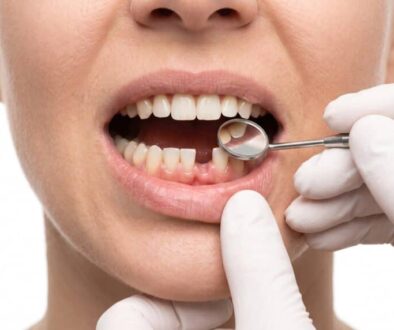


Why You Shouldn’t Wait Until a Tooth Hurts to See the Dentist in Highland
When was the last time you visited the dentist? For many people, scheduling a dental appointment isn’t a priority until something starts to hurt. While a toothache is an obvious sign that something may be wrong, waiting for pain before seeking dental care can allow small problems to become more serious.
The truth is that many common dental conditions, including cavities and gum disease, can develop without noticeable discomfort. By the time a tooth begins hurting, the underlying issue may have already progressed and require more extensive treatment.
At Young Family Dental in Highland, Utah, we believe preventive dental care plays an important role in maintaining healthy teeth and gums. Regular dental checkups can help identify potential concerns early, protect your natural teeth, and reduce the likelihood of unexpected dental problems.
Why Dental Problems Don’t Always Cause Pain
It’s easy to assume that if your teeth feel fine, they must be healthy. However, the absence of tooth pain doesn’t necessarily mean your mouth is free of dental problems.
Many oral health conditions develop gradually, often without obvious symptoms during their early stages.
For example, tooth decay begins when acids produced by oral bacteria weaken tooth enamel. Early cavities may not cause pain because enamel does not contain nerves.
As decay progresses into the deeper layers of the tooth, sensitivity or discomfort may develop.
Similarly, gum disease can begin with mild inflammation or bleeding that may go unnoticed. Without treatment, the condition can progress and affect the tissues and bone supporting your teeth.
Regular dental examinations allow your dentist to identify changes that may not be visible or noticeable at home.
5 Reasons You Shouldn’t Wait for a Toothache to Visit the Dentist
1. Cavities Can Develop Without Symptoms
Tooth decay is one of the most common dental concerns, affecting patients of all ages.
In its earliest stages, decay may not cause pain, sensitivity, or visible changes. This makes it easy to overlook until the cavity becomes larger.
When caught early, some areas of enamel demineralization may be managed with fluoride and improved oral hygiene. Cavities that have progressed into permanent damage may require fillings.
If decay reaches the dental pulp, more extensive treatment, such as a root canal or extraction, may become necessary.
Why early detection matters: Identifying cavities before they cause discomfort may allow for simpler treatment and help preserve more natural tooth structure.
2. Gum Disease May Progress Quietly
Gum disease often begins with gingivitis, an early stage of gum inflammation caused by plaque buildup along the gumline.
Common signs include:
-
Red or swollen gums
-
Bleeding when brushing or flossing
-
Persistent bad breath
-
Tenderness around the gums
However, some patients experience few noticeable symptoms.
If gingivitis progresses to periodontitis, the infection and inflammation can damage the tissues and bone that support the teeth.
Advanced gum disease may eventually lead to gum recession, loose teeth, or tooth loss.
Why early detection matters: Gingivitis is often reversible with professional care and improved oral hygiene, while periodontitis requires ongoing management to help prevent further damage.
3. Small Dental Problems Can Become More Complicated
A minor dental concern may seem easy to ignore, especially when it isn’t causing pain.
However, untreated dental problems can sometimes worsen over time.
For example:
-
A small cavity may grow and require a larger filling.
-
A cracked tooth may become more damaged with continued chewing.
-
An aging filling may develop gaps that allow bacteria to enter.
-
Mild gum inflammation may progress without appropriate care.
Not every dental problem worsens at the same rate, but early evaluation provides an opportunity to address concerns before they become more complicated.
Why early detection matters: Preventive care and timely treatment may help reduce the need for more extensive dental procedures.
4. Routine Dental Visits Can Help Protect Your Overall Oral Health
Dental checkups involve more than looking for cavities.
During a comprehensive examination, your dentist may evaluate your teeth, gums, bite, jaw, and surrounding oral tissues.
These visits can help identify concerns such as:
-
Tooth decay
-
Gum disease
-
Worn or damaged restorations
-
Teeth grinding or clenching
-
Signs of oral infections
-
Changes in oral tissues that may require further evaluation
Dental professionals also examine areas of the mouth that can be difficult to assess on your own.
Why early detection matters: Regular examinations provide opportunities to identify changes and recommend appropriate care before symptoms become disruptive.
5. Preventive Dentistry May Help You Avoid Unexpected Expenses
Many patients delay dental appointments because of concerns about time, cost, or the possibility of needing treatment.
However, postponing preventive care may lead to more complicated and potentially more expensive dental problems.
For example, treating a small cavity with a filling is generally less involved than restoring a tooth that requires root canal treatment and a crown.
Although preventive care cannot eliminate every dental problem, it can help reduce the likelihood of certain avoidable complications.
Why early detection matters: Maintaining regular dental visits may help you plan for your oral healthcare needs and avoid some unexpected treatment expenses.
What Happens During a Routine Dental Checkup?
If it’s been a while since your last dental appointment, you may be wondering what to expect.
At Young Family Dental in Highland, routine dental visits are an opportunity to evaluate your oral health, address concerns, and discuss ways to maintain a healthy smile.
Depending on your needs, a preventive dental appointment may include the following.
Comprehensive Dental Examination
Your dentist examines your teeth, gums, and surrounding oral structures for signs of decay, inflammation, damage, or other concerns.
Professional Teeth Cleaning
A dental hygienist removes plaque and tartar buildup that regular brushing and flossing cannot completely eliminate.
Your teeth may also be polished to remove certain surface stains.
Dental X-Rays When Needed
Dental X-rays can help identify problems that may not be visible during a clinical examination, including decay between teeth or changes beneath the gumline.
The need for X-rays depends on your dental history, risk factors, symptoms, and previous imaging.
Personalized Oral Health Recommendations
Your dental team may discuss brushing and flossing techniques, dietary habits, fluoride use, or other preventive strategies based on your needs.
If treatment is recommended, your dentist can explain the findings and discuss available options.
How Often Should You Visit the Dentist?
Many patients benefit from dental checkups and cleanings approximately every six months, but there isn’t a single schedule that works for everyone.
The appropriate frequency depends on factors such as:
-
Your history of cavities
-
Gum health
-
Existing dental restorations
-
Oral hygiene habits
-
Medical conditions or medications affecting oral health
-
Individual risk factors for dental disease
Some patients may benefit from more frequent appointments, while others may have different preventive care needs.
Your dentist can recommend an appropriate schedule based on your oral health.
What Are the Signs You Should See a Dentist Sooner?
Even if you’re not experiencing significant pain, certain symptoms deserve attention between routine dental visits.
Consider scheduling an appointment if you notice:
-
Bleeding or swollen gums
-
Persistent bad breath
-
Increased tooth sensitivity
-
A chipped or cracked tooth
-
Changes in your bite
-
A loose filling or crown
-
Sores or unusual patches that don’t heal within two weeks
-
Discomfort when chewing
-
A tooth that feels loose
These symptoms don’t always indicate a serious condition, but an examination can help determine whether treatment is needed.
If you experience severe tooth pain, significant swelling, or signs of infection, seek prompt dental care. Difficulty breathing or swallowing with facial swelling requires emergency medical attention.
How to Keep Your Teeth Healthy Between Dental Visits
Regular dental appointments are important, but your daily habits also play a major role in maintaining oral health.
A consistent preventive routine can help reduce your risk of cavities and gum disease.
Brush Twice a Day
Use a soft-bristled toothbrush and fluoride toothpaste to brush for two minutes, twice daily.
Pay attention to the gumline and all surfaces of your teeth.
Floss Daily
Flossing helps remove plaque and food particles from areas your toothbrush may not reach.
Interdental brushes or other cleaning tools may also be helpful depending on your dental needs.
Limit Frequent Sugary Snacks and Drinks
Frequent exposure to sugar increases the opportunities for oral bacteria to produce acids that contribute to tooth decay.
Enjoying sugary foods with meals rather than constantly snacking may help reduce repeated acid exposure.
Drink Plenty of Water
Water helps rinse away food particles and supports saliva production.
Saliva plays an important role in neutralizing acids and protecting tooth enamel.
Don’t Ignore Changes in Your Mouth
Pay attention to new sensitivity, bleeding gums, or changes in how your teeth feel.
Scheduling an evaluation when something changes may help prevent a minor concern from becoming more complicated.
Preventive Dental Care for the Whole Family in Highland, Utah
Good oral health habits begin early and remain important throughout every stage of life.
For children, routine dental visits provide opportunities to monitor tooth development, identify early cavities, and reinforce healthy brushing habits.
Adults benefit from regular examinations that help detect tooth decay, gum disease, and changes in existing dental work.
Older adults may have additional concerns involving gum recession, dry mouth, worn teeth, or restorative dentistry.
At Young Family Dental in Highland, we understand that every patient has different oral health needs. Preventive care allows your dental team to recommend an approach based on your age, dental history, and individual concerns.
Don’t Wait for Pain to Make Dental Care a Priority
One of the biggest misconceptions about dental health is that you only need to visit the dentist when something hurts.
In reality, some of the most important dental problems can begin without noticeable symptoms.
Regular dental checkups allow your dentist to monitor changes, identify concerns early, and recommend treatment when necessary.
By making preventive dentistry part of your healthcare routine, you can take a proactive approach to protecting your teeth, gums, and long-term oral health.
Schedule Your Next Dental Visit at Young Family Dental in Highland
At Young Family Dental in Highland, Utah, we’re committed to helping individuals and families maintain healthy smiles through preventive dental care and personalized treatment recommendations.
Whether you’re due for a routine cleaning, haven’t visited the dentist in a while, or have noticed changes in your oral health, our team is here to help.
You don’t have to wait for a toothache to make your smile a priority.
Contact Young Family Dental in Highland today to schedule your next dental appointment and take a proactive step toward a healthier smile.