


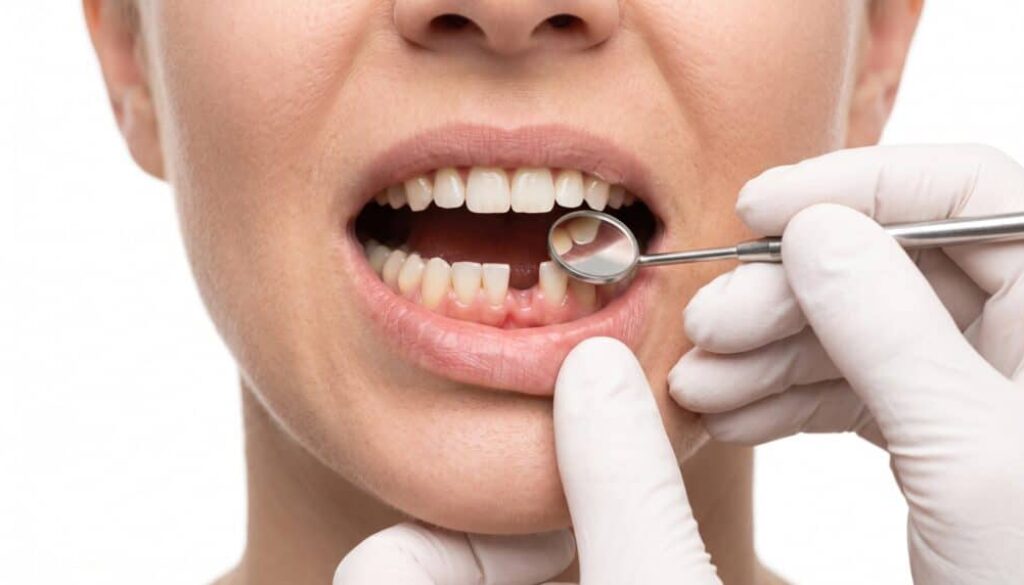
Dental Bridges: How Can You Replace a Missing Tooth in Herriman?
Missing a tooth can affect more than just the appearance of your smile. Whether you’ve lost a tooth due to decay, injury, or gum disease, the empty space can make everyday activities like chewing and speaking more difficult. Over time, missing teeth may also cause neighboring teeth to shift, potentially affecting your bite and overall oral health.
Fortunately, modern dentistry offers several ways to restore missing teeth and help you feel confident about your smile again. One common solution is a dental bridge, a custom-made restoration designed to fill the gap left by one or more missing teeth.
At Young Family Dental Herriman, we understand how important a complete, healthy smile is to your quality of life. If you’re missing a tooth, our dental team can help you explore your replacement options and determine whether a dental bridge is right for you.
What Is a Dental Bridge?
A dental bridge is a fixed dental restoration used to replace one or more missing teeth. As its name suggests, it bridges the space between existing teeth to restore the appearance and function of your smile.
A traditional dental bridge generally consists of two main components:
-
Pontic: The artificial tooth that replaces your missing natural tooth.
-
Abutments: The supporting teeth or dental implants that hold the bridge securely in place.
Traditional bridges typically use dental crowns placed over the natural teeth on either side of the gap. These crowns support the artificial tooth between them.
Dental bridges are designed to blend with your surrounding teeth, helping create a natural-looking smile.
Unlike removable dentures, a fixed dental bridge stays in place and cannot be taken out at home.
Why Is It Important to Replace a Missing Tooth?
Some people assume that losing a single tooth isn’t a major concern, especially if the missing tooth isn’t visible when they smile.
However, even one missing tooth can affect your oral health over time.
1. Preventing Neighboring Teeth From Shifting
Your teeth work together to maintain proper spacing and alignment.
When a tooth is missing, neighboring teeth may gradually tilt or shift toward the empty space. This movement can affect your bite and make certain areas more difficult to clean.
Replacing a missing tooth with a dental bridge may help maintain the position of surrounding teeth.
2. Improving Your Ability to Chew
Missing teeth can make chewing certain foods uncomfortable or difficult.
You may find yourself avoiding harder foods or chewing primarily on one side of your mouth.
A dental bridge can restore some of the chewing function lost with a missing tooth, making it easier to enjoy a wider variety of foods.
3. Supporting Clear Speech
Your teeth play an important role in forming certain sounds when you speak.
Depending on the location of the missing tooth, you may notice changes in pronunciation or speech clarity.
Replacing the tooth can help improve speech difficulties related to the gap.
4. Restoring Your Confidence
A missing tooth, particularly near the front of your mouth, can make you feel self-conscious about smiling, laughing, or speaking.
Dental bridges are designed to look similar to natural teeth, helping restore the appearance of your smile.
At Young Family Dental Herriman, we believe everyone deserves to feel comfortable and confident showing off their smile.
What Are the Different Types of Dental Bridges?
Not all dental bridges are the same. The best option depends on the location of your missing tooth, the condition of surrounding teeth, and your overall oral health.
Traditional Dental Bridges
Traditional bridges are among the most commonly used types.
They consist of one or more artificial teeth supported by dental crowns placed on natural teeth on either side of the gap.
To accommodate these crowns, the supporting teeth must be reshaped by removing some enamel.
Traditional bridges may be appropriate when healthy supporting teeth are available on both sides of the missing tooth.
Cantilever Dental Bridges
A cantilever bridge is supported by a natural tooth on only one side of the missing tooth.
This type may be considered in certain situations when support is available on just one side.
However, because the bridge places additional stress on its supporting tooth, cantilever bridges aren’t appropriate for every location in the mouth.
Maryland Dental Bridges
Maryland bridges use a framework or wings bonded to the backs of neighboring teeth to support an artificial tooth.
These bridges generally require less alteration of natural teeth than traditional bridges.
They’re sometimes used to replace missing front teeth, although their suitability depends on bite forces and other individual factors.
Implant-Supported Dental Bridges
Instead of relying on natural teeth, implant-supported bridges attach to dental implants surgically placed in the jawbone.
This option may be considered for patients missing multiple teeth.
Implant-supported bridges can provide stable tooth replacement without requiring crowns on neighboring natural teeth.
Your dentist can help you understand the advantages and limitations of each type.
What Happens During the Dental Bridge Procedure?
If you’re considering a dental bridge in Herriman, Utah, you may be wondering what the process involves.
The exact steps depend on the type of bridge selected, but traditional dental bridges generally follow a similar process.
Step 1: Dental Examination and Consultation
Your dentist begins by examining your teeth, gums, and bite.
Dental X-rays may be taken to evaluate the health of your surrounding teeth and supporting bone.
During this appointment, you’ll have the opportunity to discuss your concerns, treatment goals, and available tooth replacement options.
Step 2: Preparing the Supporting Teeth
For a traditional dental bridge, the teeth on either side of the gap are prepared to accommodate dental crowns.
This involves removing a small amount of tooth structure to create enough space for the restoration.
Local anesthesia is typically used to keep you comfortable during the procedure.
Step 3: Taking Dental Impressions
Once the supporting teeth are prepared, your dentist takes impressions or digital scans of your mouth.
These measurements help create a custom bridge designed to fit your bite and match the appearance of your surrounding teeth.
A temporary bridge may be placed while your permanent restoration is being made.
Step 4: Placing Your Permanent Bridge
When your custom bridge is ready, your dentist checks its fit, appearance, and bite alignment.
Any necessary adjustments are made before the bridge is permanently cemented or otherwise secured.
After placement, your dentist will explain how to care for your restoration and maintain your oral health.
How Long Do Dental Bridges Last?
One of the most common questions patients ask is how long they can expect their dental bridge to last.
With proper care, many dental bridges last approximately 5 to 15 years, and some may last longer.
However, the lifespan of a bridge depends on several factors, including:
-
Your daily oral hygiene habits
-
The health of your supporting teeth and gums
-
The location of the bridge
-
Teeth grinding or clenching
-
The materials used
-
Regular dental examinations and cleanings
Although dental bridges are durable, they aren’t permanent and may eventually need repair or replacement.
Taking care of your bridge and surrounding teeth is one of the best ways to extend its lifespan.
How Do You Care for a Dental Bridge?
Dental bridges require consistent oral hygiene to help protect the supporting teeth and surrounding gums.
While the artificial tooth itself cannot develop a cavity, the natural teeth supporting the bridge can still experience tooth decay.
Here are a few ways to maintain your restoration.
Brush Twice a Day
Brush your teeth twice daily using fluoride toothpaste and a soft-bristled toothbrush.
Pay special attention to the area where your bridge meets your natural teeth and gums.
Removing plaque regularly helps protect the supporting teeth from decay.
Clean Under Your Dental Bridge
Unlike natural teeth, the artificial tooth in a traditional bridge does not have a normal space between it and the supporting crowns for conventional flossing.
Special floss threaders, interdental brushes, or other cleaning tools can help remove food particles and plaque beneath the bridge.
Your dental team can demonstrate the best cleaning technique for your particular restoration.
Avoid Damaging Habits
Although dental bridges are made from durable materials, chewing ice, biting hard objects, or using your teeth to open packaging can damage them.
If you grind your teeth at night, your dentist may recommend a custom nightguard to help protect your restoration.
Keep Up With Regular Dental Visits
Routine dental examinations allow your dentist to check the condition of your bridge and monitor the health of the supporting teeth.
Professional cleanings also help remove plaque and tartar from areas that may be difficult to reach at home.
At Young Family Dental Herriman, preventive dental care is an important part of helping patients maintain their restorations and natural teeth.
Dental Bridges vs. Dental Implants: Which Is Better?
If you’re missing a tooth, you may be considering both a dental bridge and a dental implant.
Both treatments can replace missing teeth, but they work differently.
Dental bridges use neighboring teeth or implants for support. Traditional bridges generally do not require surgery and may be completed in a shorter timeframe than implant treatment.
However, traditional bridges require altering the supporting natural teeth.
Dental implants replace the missing tooth root with a post placed in the jawbone. A dental crown is then attached to restore the visible portion of the tooth.
Implants can help preserve jawbone in the area of the missing tooth and typically do not require reshaping adjacent teeth.
However, implant treatment involves surgery, adequate bone support, and a healing period.
Neither option is automatically better for every patient.
Your oral health, budget, medical history, and personal preferences all play a role in determining the most appropriate treatment.
A dental consultation can help you compare your options and make an informed decision.
Are You a Good Candidate for a Dental Bridge?
Dental bridges may be an option for many adults who are missing one or more teeth.
However, certain factors can influence whether this treatment is appropriate.
You may be a candidate if you:
-
Have one or more missing teeth
-
Have suitable supporting teeth or implants
-
Have generally healthy gums
-
Maintain good oral hygiene
-
Want a fixed tooth replacement option
-
Are looking to restore chewing function and smile appearance
Patients with untreated gum disease, significant decay, or weakened supporting teeth may need additional dental treatment before receiving a bridge.
Your dentist will evaluate your individual needs and recommend the most suitable approach.
Replace Missing Teeth With Young Family Dental Herriman
Missing a tooth doesn’t have to mean living with an incomplete smile. Whether you’ve recently lost a tooth or have been dealing with a gap for years, exploring your replacement options can help protect your oral health and restore your confidence.
Dental bridges offer a reliable way to replace missing teeth, improve chewing function, and maintain the appearance of your smile.
At Young Family Dental Herriman, we’re committed to helping patients and families throughout Herriman, Utah, receive personalized dental care. Our team can evaluate your smile, discuss your tooth replacement options, and help you understand whether a dental bridge is the right solution for your needs.
Don’t let a missing tooth interfere with your daily life!
Contact Young Family Dental Herriman today to schedule an appointment and learn more about restoring your smile with dental bridges and other tooth replacement options.