

National Gum Care Month: Why Healthy Gums Matter in Highland
September is National Gum Care Month, making it the perfect time to pay a little extra attention to an important part of your smile: your gums. While teeth often get most of the attention when it comes to oral health, healthy gums provide the foundation your teeth need to stay strong and supported.
At Young Family Dental Highland, we encourage patients of all ages to make gum health a priority. Daily brushing and flossing, combined with regular professional dental care, can help prevent gum disease and protect your smile for years to come.
Why Are Healthy Gums Important?
Your gums do much more than frame your smile. Gum tissue surrounds and helps protect the structures that support your teeth. When gums are healthy, they fit snugly around the teeth and help create a protective barrier against harmful bacteria.
When plaque is allowed to accumulate along the gumline, however, bacteria can irritate and inflame the gums. Over time, this can lead to gum disease.
Maintaining healthy gums can help you protect your natural teeth, keep your breath fresh, and reduce your risk of developing more serious oral health problems.
What Is Gum Disease?
Gum disease, also known as periodontal disease, is an infection and inflammation of the tissues surrounding and supporting the teeth.
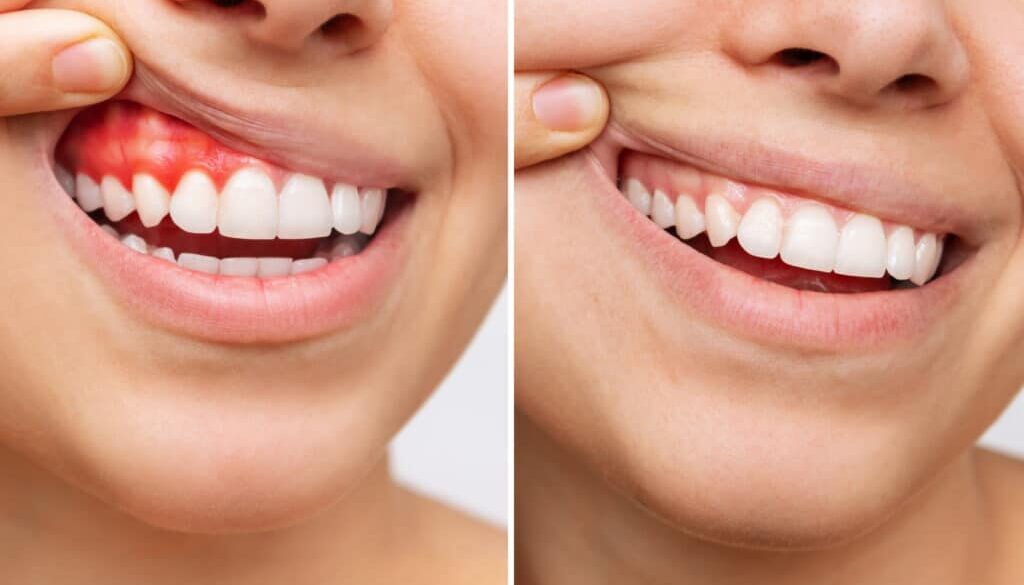
The earliest stage of gum disease is called gingivitis. At this stage, you may notice symptoms such as:
- Red or swollen gums
- Gums that bleed when brushing or flossing
- Tender or sensitive gums
- Persistent bad breath
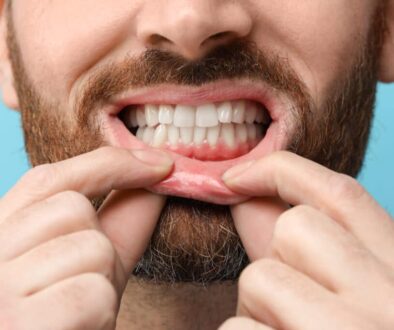
- Gums that appear to be pulling away from the teeth
Gingivitis can often be reversed with improved oral hygiene and professional dental care. However, if it is left untreated, it can progress into periodontitis.
Periodontitis is a more advanced form of gum disease that can damage the tissues and bone supporting your teeth. As the condition progresses, teeth may become loose and, in severe cases, eventually be lost.
That is why recognizing and addressing gum problems early is so important.
Why Do My Gums Bleed When I Brush?
Seeing a little pink in the sink after brushing or flossing might seem harmless, but bleeding gums shouldn’t simply be ignored.
One of the most common causes of bleeding gums is plaque buildup along the gumline. When bacteria irritate the gums, the tissue becomes inflamed and more likely to bleed during brushing or flossing.
If you recently started flossing regularly, you may experience some temporary bleeding. However, gums that continue to bleed, feel swollen, or look unusually red should be evaluated by your dentist.
Regular dental visits give your dental team an opportunity to identify signs of gum disease that may be difficult to notice at home.
Plaque and Tartar Can Affect Your Gum Health
Plaque is a sticky film of bacteria that continually forms on your teeth. Brushing and flossing help remove plaque before it has the chance to cause problems.
When plaque isn’t removed effectively, it can harden into tartar, also called calculus. Unlike plaque, tartar cannot be removed with regular brushing at home and requires professional dental instruments.
Tartar can collect around and beneath the gumline, creating an environment where bacteria can continue irritating the gums.
Professional dental cleanings are therefore an important part of preventing gum disease—even for patients who have excellent brushing habits.
How to Keep Your Gums Healthy at Home
National Gum Care Month is a great opportunity to evaluate your daily oral hygiene routine. Fortunately, protecting your gums doesn’t require complicated changes.
Brush Twice a Day
Brush your teeth for two minutes twice each day using fluoride toothpaste. Angle your toothbrush toward the gumline and use gentle movements rather than aggressive scrubbing.
Brushing too hard doesn’t make your teeth cleaner and may irritate your gums.
Floss Every Day
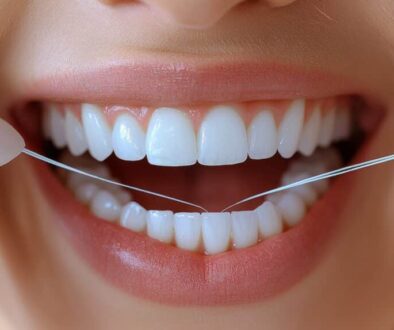
Your toothbrush can’t effectively clean every area between your teeth. Flossing helps remove plaque and food particles from these spaces and around the gumline.
If traditional floss is difficult for you to use, ask our team about other interdental cleaning options that may work better for your needs.
Don’t Forget Your Gumline
When brushing, make sure you’re cleaning where your teeth and gums meet. Plaque commonly accumulates in this area, so paying attention to the gumline can make a significant difference.
Stay Hydrated
Water helps wash away food particles and supports healthy saliva production. Saliva naturally helps protect your mouth by neutralizing acids and washing away debris.
Choosing water throughout the day is an easy way to support both your teeth and gums.
Eat a Balanced Diet
Your dietary habits can also influence your oral health. Frequently consuming sugary foods and beverages gives harmful oral bacteria more opportunities to produce acids and contribute to plaque buildup.
A balanced diet that includes vegetables, fruits, proteins, whole grains, and plenty of water can support your overall and oral health.
Don’t Wait for Gum Pain to Visit the Dentist
One reason gum disease can become serious is that it doesn’t always cause noticeable pain in its early stages. You may feel perfectly fine while changes are occurring around your gums.
Routine dental examinations allow your dentist to monitor your gum health and identify potential concerns before they become more advanced.
During a dental cleaning, plaque and tartar are removed from areas that can be difficult or impossible to thoroughly clean at home. Your dental team can also provide personalized recommendations based on your individual gum health.
Gum Health Is Important at Every Age
Gum care isn’t just important for adults. Children and teenagers also need to develop good gum-care habits early.
Teaching children to brush carefully along the gumline and floss consistently can establish habits that benefit them throughout adulthood.
Adults should continue prioritizing gum health as they age. Changes in medications, health conditions, oral hygiene habits, and other factors can influence the condition of the gums over time.
No matter your age, preventive dental care remains one of the best ways to protect your smile.
Celebrate National Gum Care Month With Young Family Dental Highland
National Gum Care Month is a reminder that a healthy smile isn’t only about cavity-free teeth. Your gums deserve attention, too.
If you’ve noticed bleeding, redness, swelling, tenderness, persistent bad breath, or changes in your gumline, don’t wait to have them evaluated. Even if your gums feel perfectly healthy, regular dental exams and cleanings can help keep them that way.
At Young Family Dental Highland, we’re here to help patients and families maintain healthy teeth and gums through personalized preventive dental care.
Celebrate National Gum Care Month by giving your gums the attention they deserve. Schedule your next dental cleaning and exam with Young Family Dental Highland today.