

Everyday Choices That Protect Your Smile | Young Family Dental Highland
A healthy smile isn’t built by dental appointments alone. The small decisions you make every day—from how you brush your teeth to what you choose to drink—can have a lasting impact on your oral health.
While regular dental exams and professional cleanings are important, your everyday habits play a major role in preventing cavities, protecting your gums, and keeping your teeth strong.
For patients and families in Highland, Utah, making a few simple choices each day can help protect your smile for years to come.
1. Brush Twice a Day
One of the most important things you can do for your teeth is also one of the simplest: brush twice a day.
Use a soft-bristled toothbrush and fluoride toothpaste, and brush for about two minutes each time. Make sure you’re cleaning all surfaces of your teeth, including the fronts, backs, chewing surfaces, and along the gumline.
Avoid brushing too aggressively. Gentle pressure is typically enough to remove plaque without unnecessarily irritating your gums.
2. Clean Between Your Teeth Every Day
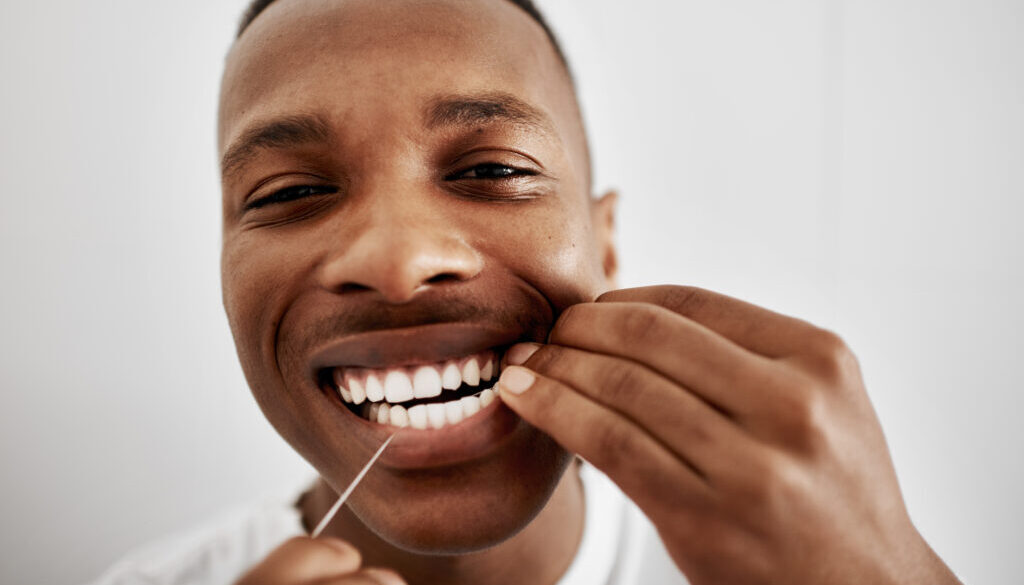
Brushing alone can’t reach all the spaces between your teeth. That’s why cleaning between your teeth is an important part of your oral hygiene routine.
Traditional floss is one option, but interdental brushes, floss picks, or other tools may work well depending on your needs.
The most important thing is finding a method you can use consistently.
Removing plaque and food debris from between your teeth can help support healthier gums and reduce the risk of cavities in these hard-to-reach areas.
3. Choose Water More Often
What you drink can have a significant impact on your teeth.
Water is a great everyday choice because it helps keep you hydrated without adding sugar to your diet. Drinking water throughout the day can also help rinse away food particles and keep your mouth from becoming overly dry.
Try to limit frequent consumption of sugary drinks such as soda, sweetened tea, sports drinks, and energy drinks.
You don’t necessarily have to eliminate every favorite beverage. Instead, make water your primary drink and be mindful of how frequently your teeth are exposed to sugar and acids.
4. Be Smart About Snacks
It’s not just what you eat—how often you eat can also matter for your teeth.
Frequent snacking on sugary or sticky foods can expose your teeth to repeated acid attacks. When possible, choose nutritious snacks such as vegetables, fruits, cheese, yogurt, or other balanced options.
If you do enjoy something sweet, having it with a meal rather than constantly snacking on it throughout the day can help reduce repeated exposure.
5. Don’t Use Your Teeth as Tools
Your teeth are designed for eating—not opening packages, cutting tape, or holding objects.
Using your teeth as tools can lead to chips, cracks, or other dental injuries.
Keep scissors, bottle openers, and other appropriate tools nearby and let your teeth do what they’re designed to do: help you eat and smile!
6. Protect Your Teeth During Sports
If you or your child participates in sports, consider whether a mouthguard should be part of the equipment.
A properly fitted mouthguard can help protect the teeth, lips, cheeks, and tongue from certain sports-related injuries.
Talk with your dentist about the best type of mouthguard for your needs, particularly if you participate in a contact sport or activity where falls or impacts are possible.
7. Don’t Ignore Dental Warning Signs
Your mouth can give you clues when something isn’t quite right.
Pay attention to symptoms such as:
- Tooth sensitivity
- Persistent tooth pain
- Bleeding or swollen gums
- Persistent bad breath
- A chipped or cracked tooth
- Pain when chewing
- Changes in how your teeth fit together
These symptoms don’t always mean you have a serious problem, but they shouldn’t be ignored.
Addressing concerns early may help prevent a minor issue from becoming more complicated.
8. Manage Habits That Can Damage Your Teeth
Certain everyday habits can put unnecessary stress on your teeth.
For example, regularly chewing on ice, pens, fingernails, or other hard objects can potentially damage teeth.
Grinding or clenching your teeth can also contribute to tooth wear, sensitivity, jaw discomfort, or other concerns.
If you notice signs of grinding or frequently wake up with jaw soreness or headaches, talk with your dental provider about your options.
9. Replace Your Toothbrush Regularly
Your toothbrush doesn’t last forever.
As a general guideline, replace your toothbrush approximately every three to four months, or sooner if the bristles become frayed or worn.
If you use an electric toothbrush, replace the brush head according to the manufacturer’s recommendations or when the bristles show signs of wear.
A fresh, soft-bristled toothbrush can help you maintain an effective brushing routine.
10. Keep Up With Dental Visits
Even excellent at-home dental care doesn’t replace professional dental visits.
Routine dental exams allow your dental team to monitor your teeth and gums, identify potential concerns, and recommend personalized preventive care. Professional cleanings can also remove plaque and tartar that can’t be eliminated through brushing and flossing alone.
How often you need dental visits depends on your individual oral health and risk factors, so follow the schedule recommended by your dental provider.
Small Habits Can Make a Big Difference
Protecting your smile doesn’t require complicated changes. In many cases, it’s about being consistent with simple habits.
Brush twice a day. Clean between your teeth. Choose water regularly. Be mindful of sugary snacks and drinks. Protect your teeth during sports. Don’t use your teeth as tools. And don’t ignore changes or discomfort.
These everyday choices, combined with regular professional dental care, can help you maintain a healthy smile over the long term.
Your Highland Family Dentist
At Young Family Dental Highland, we believe prevention is an important part of maintaining excellent oral health. Our team is here to help patients and families in Highland understand their dental needs and build habits that support healthy smiles.
If it’s been a while since your last dental visit or you have a concern about your teeth or gums, we’re here to help.
Your smile is with you every day. Make choices that protect it every day, too.