



Why You Shouldn’t Ignore Bad Breath: We Can Help in Herriman!
Everyone experiences bad breath from time to time. Maybe it’s first thing in the morning, after a meal with garlic and onions, or after forgetting to brush before bed. Occasional bad breath is normal—but when it becomes persistent, it may be a sign that something more is going on.
Chronic bad breath, also known as halitosis, can affect your confidence, social interactions, and overall quality of life. More importantly, it can sometimes point to underlying oral health issues that shouldn’t be ignored.
At Young Family Dental Herriman, we’re here to help patients identify the cause of bad breath and find solutions that support healthier smiles. Here’s what you should know.
What Causes Bad Breath?
Bad breath is usually caused by bacteria in the mouth. As bacteria break down food particles and plaque, they release compounds that create unpleasant odors.
Common causes of bad breath include:
- Poor oral hygiene
- Gum disease
- Tooth decay
- Dry mouth
- Food trapped between teeth
- Tobacco use
- Certain medications
- Medical conditions
The key to fresher breath is identifying the root cause.
Poor Oral Hygiene Is Often to Blame
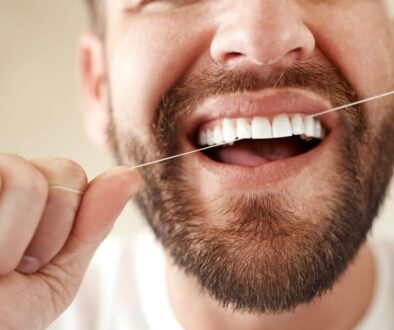
Brushing and flossing help remove food particles and bacteria that build up throughout the day.
When oral hygiene habits slip, plaque can accumulate and lead to:
- Bad breath
- Cavities
- Gum inflammation
- Tartar buildup
Brushing twice a day and flossing daily are some of the best defenses against persistent bad breath.
Gum Disease Can Cause Ongoing Odor
One of the most common causes of chronic bad breath is gum disease.
As bacteria collect below the gumline, they can produce strong odors and contribute to symptoms such as:
- Bleeding gums
- Swollen gums
- Gum tenderness
- Gum recession
Because gum disease often develops gradually, many people don’t realize it may be contributing to their bad breath.
Dry Mouth Can Make Bad Breath Worse
Saliva plays an important role in keeping your mouth clean.
It helps:
- Wash away food particles
- Neutralize acids
- Reduce bacterial growth
When saliva production decreases, bacteria can multiply more easily.
Dry mouth may be linked to:
- Certain medications
- Dehydration
- Mouth breathing
- Medical conditions
Drinking more water and addressing the underlying cause can often help improve symptoms.
Cavities and Dental Infections May Be the Cause
Tooth decay and infection can create spaces where bacteria thrive.
Untreated cavities may lead to:
- Persistent bad breath
- Tooth sensitivity
- Pain
- Swelling
Many patients are surprised to learn that bad breath can sometimes be one of the earliest signs of a developing dental problem.
Foods and Habits Also Play a Role
Certain foods naturally contribute to temporary bad breath.
Common culprits include:
- Garlic
- Onions
- Coffee
- Strong spices
Tobacco products can also worsen bad breath while increasing the risk of gum disease and tooth discoloration.
If bad breath lingers long after eating or drinking, it’s worth discussing with your dentist.
When Should You See a Dentist?
Occasional bad breath is normal, but you should schedule a dental visit if:
- Bad breath persists despite brushing and flossing
- You notice bleeding or swollen gums
- You have tooth pain or sensitivity
- Your mouth frequently feels dry
- Family or friends regularly mention your breath
A professional evaluation can help uncover the cause and determine the best treatment.
How Routine Dental Visits Can Help
Routine dental cleanings and exams do much more than keep your smile looking bright.
Regular visits help:
- Remove plaque and tartar
- Monitor gum health
- Detect cavities early
- Identify signs of infection
- Improve overall oral hygiene
Many patients notice fresher breath immediately after a professional cleaning.
Tips for Fresher Breath at Home
In addition to regular dental care, healthy habits can help keep your breath fresh.
Try to:
- Brush twice daily
- Floss every day
- Clean your tongue regularly
- Drink plenty of water
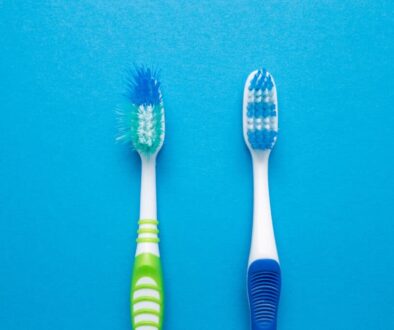
- Replace your toothbrush every three to four months
- Avoid tobacco products
Consistency is key to maintaining both fresh breath and a healthy smile.
Don’t Let Bad Breath Hold You Back
Persistent bad breath can be frustrating, but it’s not something you have to live with. In many cases, identifying and treating the underlying cause can improve both your oral health and your confidence.
At Young Family Dental Herriman, we’re committed to helping patients of all ages enjoy healthy smiles and fresh breath through compassionate, family-focused care.
Schedule your next appointment today and let us help you get to the root of persistent bad breath.