



The Longevity of Veneers: How Long Can You Expect Them to Last?
Veneers are a popular cosmetic dental solution for those looking to enhance the appearance of their smile. They can correct a range of issues, from discoloration and minor misalignments to chips and gaps. But one of the most common questions patients ask is, “How long can I expect my veneers to last?” At Young Family Dental, we believe in helping our patients make informed decisions about their dental care. Here’s what you need to know about the longevity of veneers and how to maximize their lifespan.
What Are Veneers?
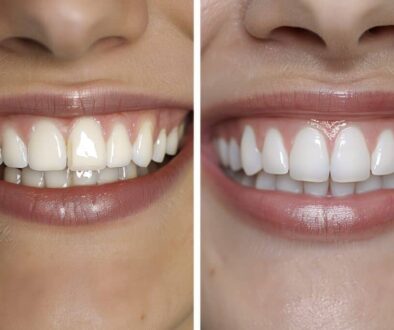
Veneers are thin, custom-made shells of tooth-colored materials designed to cover the front surface of your teeth. They are typically made from porcelain or composite resin, both of which offer durable and natural-looking results. Veneers are bonded to your teeth and can dramatically improve the aesthetics of your smile.
How Long Do Veneers Typically Last?
The lifespan of veneers can vary depending on several factors, including the material used, your oral hygiene habits, and how well you care for them. Here’s a general idea of what you can expect:
- Porcelain Veneers: Porcelain veneers are known for their durability and resistance to stains. With proper care, porcelain veneers can last anywhere from 10 to 15 years, and in some cases, even longer. They are less likely to chip or crack compared to other materials, making them a long-lasting option.
- Composite Resin Veneers: Composite veneers are generally less expensive than porcelain veneers, but they typically have a shorter lifespan. On average, composite veneers last between 5 to 7 years. While they are more prone to staining and chipping, they can still provide excellent results with good care and regular dental check-ups.
Factors That Affect the Longevity of Veneers
Several factors can influence how long your veneers will last:
- Oral Hygiene: Maintaining good oral hygiene is crucial for the longevity of your veneers. Brushing twice a day, flossing daily, and visiting your dentist regularly for cleanings and check-ups can help prevent issues like decay and gum disease that could affect your veneers.
- Diet: Your diet plays a role in the longevity of your veneers. Avoiding hard foods, such as ice and hard candies, can prevent chipping or cracking. Additionally, minimizing your intake of staining foods and beverages, like coffee, tea, and red wine, can help keep your veneers looking their best.
- Habits: Certain habits can shorten the lifespan of your veneers. If you have a habit of grinding your teeth (bruxism) or biting your nails, it’s important to address these behaviors. Your dentist may recommend a nightguard to protect your veneers while you sleep.
- Material Choice: As mentioned earlier, the type of material used for your veneers will impact their durability. Porcelain veneers generally last longer than composite resin veneers, but both can provide beautiful results when properly maintained.
- Quality of Placement: The skill and experience of your dentist play a significant role in the success and longevity of your veneers. At Young Family Dental, our experienced team ensures that veneers are expertly crafted and precisely fitted to provide lasting results.
How to Care for Your Veneers
To maximize the lifespan of your veneers, it’s important to follow these care tips:
- Brush and Floss Regularly: Just like natural teeth, veneers require regular brushing and flossing to prevent plaque buildup and gum disease. Use a non-abrasive fluoride toothpaste to avoid scratching the surface of your veneers.
- Visit Your Dentist: Regular dental visits are essential to monitor the condition of your veneers and address any potential issues early on. Professional cleanings can also help keep your veneers looking bright and beautiful.
- Avoid Staining Agents: While porcelain veneers are highly resistant to stains, composite veneers can be more susceptible. To keep them looking their best, try to avoid foods and drinks that can cause discoloration, and consider using a straw when drinking beverages like coffee or tea.
- Wear a Nightguard: If you grind your teeth at night, a custom-made nightguard can protect your veneers from unnecessary wear and tear.
- Be Mindful of Biting and Chewing: Avoid using your teeth as tools to open packages or chew on hard objects, as this can damage your veneers.
When to Consider Replacing Veneers
Even with the best care, veneers will eventually need to be replaced. Signs that it might be time for a replacement include:
- Chipping or Cracking: If your veneers become chipped or cracked, they may need to be replaced to restore their appearance and function.
- Staining or Discoloration: While porcelain veneers are resistant to stains, over time, they may still develop some discoloration, especially around the edges.
- Wear and Tear: After many years of use, veneers may begin to show signs of wear. If they no longer fit properly or start to look worn, it may be time to consider replacement.
Veneers with Young Family Dental
Veneers are a long-lasting and effective way to enhance your smile, but their longevity depends on several factors, including your oral hygiene habits, diet, and the materials used. At Young Family Dental, we’re committed to providing you with the highest quality veneers and care to ensure your smile stays beautiful for years to come.
If you’re considering veneers or have questions about maintaining your current veneers, contact us today to schedule a consultation. We’re here to help you achieve the smile of your dreams!