


The Importance of Gum Health at Young Family Dental Highland
At Young Family Dental Highland, we believe that healthy gums are just as important as healthy teeth. While many people focus on brushing and flossing their teeth, it’s essential not to overlook the foundation that supports them—your gums. Taking care of your gums is crucial for your overall oral health, and it can prevent a variety of serious dental issues in the future. In this blog, we’ll dive into why gum health matters, how to maintain healthy gums, and the consequences of neglecting your gum care.
What Are Gums and Why Are They Important?
Your gums, or gingiva, are the soft tissue that surrounds and supports your teeth. Healthy gums are critical for holding your teeth in place and protecting the bones and other tissues that support your teeth. They act as a barrier, preventing harmful bacteria from entering the spaces between your teeth and gums. Healthy gums also contribute to your smile’s appearance and function.
Without healthy gums, your teeth would be at risk of becoming loose or falling out, and you’d be more susceptible to infections that can affect not just your mouth but your overall health.
Common Gum Problems
Gum problems can range from mild irritation to more severe conditions that impact your teeth and overall health. Some common gum issues include:
-
Gingivitis: Gingivitis is the earliest stage of gum disease and is often caused by poor oral hygiene that leads to plaque buildup on the teeth and gums. Symptoms include redness, swelling, and bleeding gums when brushing or flossing. Fortunately, gingivitis is reversible with good oral care and regular professional cleanings.
-
Periodontitis: If gingivitis is left untreated, it can progress to periodontitis, a more severe form of gum disease. Periodontitis can cause gum recession, pockets between the teeth and gums, and even bone loss. In advanced stages, periodontitis can lead to tooth mobility and loss.
-
Gum Recession: Gum recession occurs when the gum tissue pulls back, exposing the roots of the teeth. This condition can lead to increased sensitivity and an increased risk of cavities and tooth decay.
-
Bad Breath (Halitosis): Persistent bad breath can be a sign of gum disease. The bacteria in the gums, particularly in cases of gingivitis or periodontitis, produce foul odors, leading to chronic halitosis.
Why Gum Health Matters
-
Supports Your Teeth: Healthy gums are essential for holding your teeth in place. Without strong, supportive gum tissue, your teeth can become loose, which can lead to tooth loss.
-
Prevents Gum Disease: Gum disease, if left untreated, can cause more than just discomfort. It can lead to tooth loss, bone damage, and other serious health complications. Healthy gums help prevent gum disease and ensure your oral health remains in top condition.
-
Affects Your Overall Health: Poor gum health can have consequences far beyond your mouth. Research has shown that gum disease is linked to an increased risk of several systemic conditions, including heart disease, diabetes, and respiratory issues. Maintaining healthy gums reduces the risk of these health problems.
-
Improves Aesthetics: Healthy gums contribute to a beautiful smile. Healthy, pink gums give your teeth a clean, polished look, while unhealthy, red, or swollen gums can take away from the aesthetics of your smile.
-
Prevents Pain and Sensitivity: Healthy gums can help prevent pain, sensitivity, and discomfort. Issues like gum recession can expose tooth roots, causing sensitivity to hot or cold foods and drinks. Healthy gums protect your teeth from these uncomfortable symptoms.
How to Maintain Healthy Gums
Taking care of your gums is relatively simple, and it doesn’t require much extra effort beyond your regular oral care routine. Here are some effective ways to maintain healthy gums:
-
Brush Twice a Day: Brush your teeth at least twice a day using a fluoride toothpaste. Make sure to gently brush along your gumline to remove plaque buildup without irritating your gums.
-
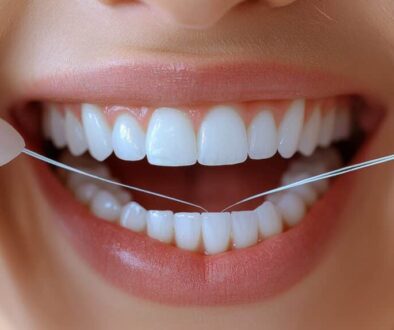
Floss Daily: Flossing is essential for removing plaque and food particles from between your teeth and along the gumline. This helps prevent gum disease by reducing the risk of plaque buildup in hard-to-reach areas.
-
Use a Soft-Bristled Toothbrush: A soft-bristled toothbrush is gentler on your gums and can help prevent irritation or gum recession. Avoid brushing too aggressively, as it can damage your gums over time.
-
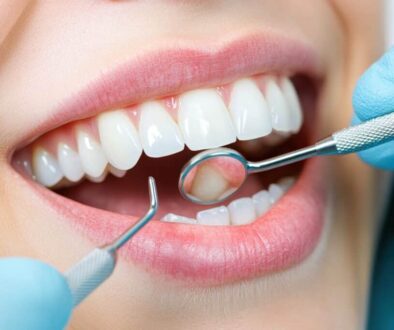
Regular Dental Checkups: Visit your dentist regularly for professional cleanings and checkups. Your dentist can detect early signs of gum disease and provide treatment before it becomes more serious.
-
Eat a Balanced Diet: A healthy diet rich in vitamins and minerals, particularly vitamin C, can help keep your gums strong. Avoid sugary snacks and drinks that can contribute to plaque buildup and gum disease.
-
Avoid Smoking or Tobacco Use: Smoking and chewing tobacco can increase your risk of gum disease and tooth loss. Quitting tobacco use is one of the best things you can do for your oral health.
-
Stay Hydrated: Drinking plenty of water helps wash away food particles and bacteria in the mouth, reducing the risk of gum disease and bad breath.
When to See a Dentist
If you notice any of the following symptoms, it’s important to schedule an appointment with your dentist:
- Gums that bleed when brushing or flossing
- Persistent bad breath
- Gum swelling or redness
- Pain when chewing or biting
- Gum recession or teeth that appear longer than usual
- Loose teeth or changes in the way your teeth fit together
At Young Family Dental Highland, we are committed to helping you maintain the best oral health possible, and that starts with healthy gums. Regular checkups and proactive care can help prevent many of the issues mentioned above and keep your smile looking and feeling great.
Gum health is a crucial aspect of your overall oral health and well-being. By taking proper care of your gums, you can help ensure a lifetime of healthy teeth and avoid serious oral health complications. At Young Family Dental Highland, we’re here to help you maintain healthy gums with personalized care and expert guidance. Don’t wait for gum issues to escalate—schedule your appointment today and take the first step toward healthier gums and a brighter smile!