


How Gum Disease Affects Your Oral Health: What to Know from Young Family Dental Highland
Gum disease, also known as periodontal disease, is a common yet serious condition that can affect your oral health if left untreated. Many people are unaware of the early signs of gum disease or underestimate its potential to harm their overall well-being. At Young Family Dental Highland, we believe in educating our patients about the importance of gum health and how it impacts not only your smile but your overall health.
In this blog, we’ll break down how gum disease develops, the effects it can have on your oral health, and most importantly, what you can do to prevent and treat it.
What is Gum Disease?
Gum disease starts with an infection of the tissues surrounding your teeth, typically caused by the buildup of plaque—a sticky film of bacteria. When plaque isn’t removed through regular brushing and flossing, it hardens into tartar, which can only be removed by a dental professional.
There are two main stages of gum disease:
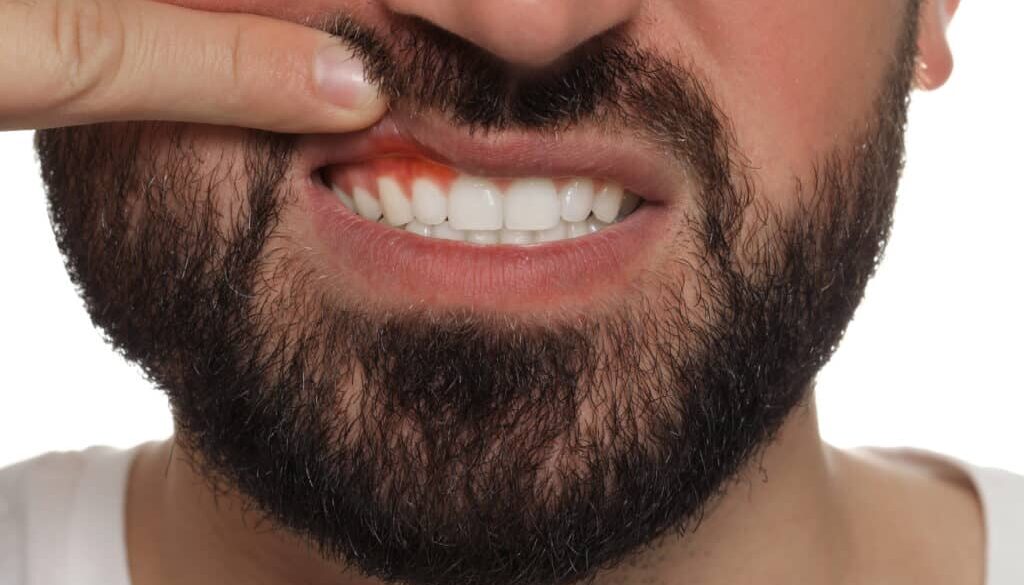
- Gingivitis: The earliest and mildest form of gum disease. It causes inflammation and irritation of the gums, usually characterized by redness, swelling, and bleeding during brushing or flossing.
- Periodontitis: If gingivitis isn’t addressed, it can progress to periodontitis, a more severe form of gum disease that damages the supporting tissues and bone structure of your teeth. This can lead to tooth mobility, gum recession, and even tooth loss.
How Gum Disease Affects Your Oral Health
Gum disease may start as a minor irritation, but if left unchecked, it can lead to significant oral health issues. Here’s how it can affect your teeth and gums:
1. Tooth Loss
The most severe consequence of untreated gum disease is tooth loss. As periodontitis progresses, the infection can destroy the bone and tissue supporting your teeth, making them loose and eventually causing them to fall out. While gum disease is a leading cause of tooth loss in adults, this condition is preventable with good oral hygiene and regular dental check-ups.
2. Gum Recession
As gum disease advances, the gums may begin to recede or pull away from the teeth. This not only makes your teeth look longer but can also expose the sensitive roots of your teeth, leading to increased discomfort, sensitivity, and a greater risk of cavities.
3. Bad Breath (Halitosis)
Persistent bad breath or a bad taste in your mouth is another sign of gum disease. The bacteria from the infection release toxins that can cause foul-smelling breath, which doesn’t go away even with brushing. If you’re experiencing chronic bad breath, it’s essential to see a dentist for an evaluation.
4. Bleeding Gums
One of the first signs of gum disease is bleeding gums, especially when brushing or flossing. This can be a sign of gingivitis, and if it persists without proper care, it can develop into periodontitis. Healthy gums should not bleed easily, so regular monitoring of gum health is essential.
5. Tooth Sensitivity
Gum disease can expose the tooth roots, leading to increased sensitivity, especially when eating hot, cold, or sweet foods. Sensitive teeth are often a result of receding gums, and this discomfort can worsen without proper treatment.
Other Health Risks Associated with Gum Disease
You might be surprised to learn that gum disease isn’t just an issue for your teeth and gums—it’s also linked to other health conditions. Research has shown that the bacteria from gum disease can enter the bloodstream and contribute to the development of systemic health problems, including:
- Heart Disease: Gum disease has been linked to an increased risk of heart disease. Inflammation caused by gum infection may affect blood vessels, increasing the likelihood of heart disease or stroke.
- Diabetes: People with diabetes are more susceptible to gum disease. Additionally, untreated gum disease can make it harder to control blood sugar levels.
- Respiratory Issues: The bacteria from gum disease can also be inhaled into the lungs, increasing the risk of respiratory infections and complications like pneumonia.
- Pregnancy Complications: Gum disease has been associated with an increased risk of preterm birth and low birth weight in pregnant women.
Signs You Might Have Gum Disease
Gum disease often doesn’t cause noticeable pain in its early stages, which is why regular dental check-ups are so important. However, there are a few warning signs that you should look out for, including:
- Red, swollen, or tender gums
- Gums that bleed when brushing or flossing
- Persistent bad breath
- Receding gums or longer-looking teeth
- Loose or shifting teeth
- Sensitivity to hot or cold foods
If you notice any of these symptoms, it’s essential to see a dentist as soon as possible to prevent the condition from worsening.
How to Prevent and Treat Gum Disease
Fortunately, gum disease is preventable, and with the right care, it can often be reversed, especially in its early stages.
Prevention Tips:
- Brush twice a day: Use fluoride toothpaste and a soft-bristled toothbrush to remove plaque buildup.
- Floss daily: Flossing helps remove food particles and plaque from between your teeth and along the gumline, where brushing might not reach.
- Use mouthwash: Antibacterial mouthwash can help kill bacteria that lead to gum disease and improve your overall oral hygiene.
- Visit your dentist regularly: Routine dental check-ups and professional cleanings are essential for maintaining healthy gums and teeth. Your dentist can spot signs of gum disease early and provide treatment to prevent further damage.
- Eat a balanced diet: A healthy diet rich in vitamins and minerals, especially vitamin C, supports strong gums and overall oral health.
Treatment Options:
If you already have gum disease, your dentist will recommend treatment based on the severity of the condition. Early-stage gingivitis can usually be treated with professional cleanings and improved oral hygiene at home. More advanced periodontitis may require scaling and root planing (a deep cleaning procedure), antibiotic treatment, or even gum surgery in extreme cases.
At Young Family Dental Highland, we’re committed to helping you achieve optimal oral health by treating gum disease early and providing the care you need to prevent it in the future.
Conclusion
Gum disease is a serious condition that can affect your overall oral health and well-being, but with proper care and attention, it is both preventable and treatable. By maintaining good oral hygiene, visiting your dentist regularly, and addressing any signs of gum disease early, you can protect your gums and keep your smile healthy for years to come.
If you suspect you have gum disease or want to learn more about how to protect your gum health, contact Young Family Dental Highland today. We’re here to help you maintain a healthy, beautiful smile for life!