



Get Prepared for Your Root Canal with These Tips from Young Family Dental West Jordan
A root canal is one of the most effective ways to treat a damaged or infected tooth and save it from extraction. If your dentist has recommended a root canal, it’s natural to feel a bit anxious or unsure about the procedure. The good news is that root canals are much more comfortable and routine than many people realize. Thanks to modern dental techniques and anesthesia, a root canal can help relieve your pain and restore your tooth to full function with minimal discomfort.
At Young Family Dental in West Jordan, we want to make sure you feel confident and prepared for your upcoming root canal. In this blog, we’ll walk you through the root canal process, share tips to help you prepare for the procedure, and provide guidance on what to expect during and after the treatment.
What Is a Root Canal?
A root canal is a dental procedure used to treat an infected or severely damaged tooth. The tooth’s inner pulp, which contains nerves, blood vessels, and connective tissue, becomes inflamed or infected due to deep decay, a crack, or trauma. If left untreated, this infection can cause intense pain and lead to further complications, such as abscesses or tooth loss.
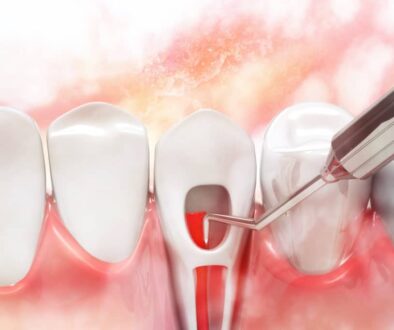
During a root canal, your dentist will remove the infected pulp, clean and disinfect the inside of the tooth, and then fill and seal it to prevent future infection. The tooth is usually restored with a dental crown to protect it and restore its strength and function. Root canals are highly effective at preserving a tooth and relieving pain caused by infection or decay.
Why You Might Need a Root Canal
There are several signs that may indicate you need a root canal, including:
- Severe tooth pain (especially when chewing or applying pressure)
- Lingering sensitivity to hot or cold temperatures
- Swollen or tender gums near the affected tooth
- Discoloration of the tooth (a gray or darkened appearance)
- A persistent pimple or abscess on the gums
- A crack or deep cavity in the tooth
If you’re experiencing any of these symptoms, it’s important to schedule a consultation with your dentist at Young Family Dental West Jordan to determine if a root canal is the right solution.
How to Prepare for Your Root Canal Procedure
Preparation for a root canal is relatively simple, but being well-prepared can help ensure that you have a smoother experience and faster recovery. Here are some tips to help you get ready for your procedure:
1. Ask Questions and Address Concerns
If you’re feeling anxious about the procedure, don’t hesitate to talk to your dentist. They can explain the process in detail and answer any questions you may have about the procedure, anesthesia options, and recovery. At Young Family Dental, we are committed to providing compassionate care and addressing any concerns you may have.
2. Follow Pre-Procedure Instructions
In most cases, your dentist will provide specific instructions to follow before your root canal appointment. These may include:
- Avoiding eating or drinking for a few hours before the procedure if you plan to have sedation.
- Taking prescribed antibiotics if your dentist feels it’s necessary to prevent or treat any existing infection.
- Arranging for a ride home if you plan to use sedation during the procedure, as you may feel drowsy afterward.
3. Wear Comfortable Clothing
Since you’ll be sitting in the dentist’s chair for an extended period, make sure to wear comfortable clothing that allows you to relax. The procedure usually takes between 90 minutes to two hours, so comfortable attire can make the experience more pleasant.
4. Plan for Aftercare
Root canals are generally well-tolerated, but you might experience some discomfort after the procedure as the anesthetic wears off. Plan for a quiet, relaxing day after your appointment. You may want to take it easy and avoid strenuous activities, especially if you’re feeling groggy from any sedatives used during the procedure.
5. Prepare for Possible Post-Procedure Sensitivity
It’s normal to experience some mild soreness or sensitivity in the treated area for a few days after the procedure. Over-the-counter pain relievers like ibuprofen or acetaminophen are usually enough to manage any discomfort. Your dentist will discuss aftercare instructions in detail, and they may prescribe pain medication if necessary.
6. Arrange for Follow-Up Care
After your root canal, you will likely need a follow-up appointment to check the healing process and possibly place a permanent crown on your tooth. Discuss this with your dentist and make sure to schedule any necessary appointments.
What to Expect During the Root Canal Procedure
Now that you’re prepared, let’s go over what you can expect during the root canal itself. While every procedure may vary slightly depending on your specific needs, here’s a general outline of the process:
- Anesthesia: The first step is to numb the affected tooth and surrounding area with local anesthesia. This will ensure you are comfortable and pain-free throughout the procedure.
- Tooth Isolation: Your dentist will place a rubber dam around the tooth to keep it dry and free from saliva during the procedure.
- Removing the Infected Pulp: The dentist will create a small opening in the crown of your tooth to access the pulp chamber. Using specialized tools, they will carefully remove the infected or damaged pulp.
- Cleaning and Disinfecting: After the pulp is removed, the inner chamber of the tooth is thoroughly cleaned and disinfected to remove any remaining bacteria and prevent reinfection.
- Filling and Sealing: Once the tooth is clean, it will be filled with a biocompatible material called gutta-percha to seal the root canals. This prevents bacteria from entering the space and causing further infection.
- Temporary Filling: A temporary filling may be placed in the opening to protect the tooth until a permanent crown is placed.
- Final Restoration: In most cases, a dental crown will be placed on the tooth to restore its shape, size, and strength. This is typically done during a follow-up appointment a few weeks after the root canal.
Aftercare Tips for a Successful Recovery
After your root canal, there are a few things you can do to ensure a smooth recovery:
- Take prescribed medications: Follow your dentist’s instructions on pain management and take any prescribed antibiotics or pain relievers as directed.
- Avoid chewing on the treated side: For the first few days after the procedure, avoid chewing on the side of the mouth that was treated. This will give the tooth time to heal and reduce any risk of further irritation.
- Maintain good oral hygiene: Continue to brush and floss your teeth as usual, but be gentle around the treated area to avoid irritation. Your dentist may recommend a saltwater rinse to help keep the area clean.
- Watch for signs of infection: While rare, infections can occur after a root canal. If you notice persistent swelling, pain, or pus around the treated tooth, contact your dentist immediately.
Make an Appointment with Young Family Dental West Jordan
A root canal is a highly effective procedure to save a damaged tooth and relieve pain caused by infection. With the right preparation and care, you can make the experience more comfortable and ensure a faster recovery. At Young Family Dental in West Jordan, we are dedicated to providing compassionate care and clear guidance throughout the root canal process.
If you think you may need a root canal or if you’re experiencing symptoms like severe tooth pain, swelling, or sensitivity, don’t wait—contact us today to schedule a consultation. Our team will help you get the treatment you need and guide you every step of the way for a smooth, stress-free experience.
Call Young Family Dental in West Jordan today to schedule your consultation!