


Bruxism & Your Dental Health
Bruxism, or teeth grinding, is a common yet often overlooked condition that can have significant implications for your dental health. If you frequently grind your teeth, especially during sleep, you may be putting your oral health at risk. At Young Family Dental, we are committed to helping you understand bruxism, its effects on your dental health, and the strategies to manage and treat it effectively. Here’s what you need to know about bruxism and how our team can help you protect your smile.
What is Bruxism?
Bruxism is the involuntary clenching or grinding of teeth, which often occurs during sleep but can also happen while awake. It can range from mild to severe and may involve grinding, clenching, or both. This condition can lead to a variety of dental and health issues if left untreated.
Causes of Bruxism
Bruxism can be caused by several factors, including:
- Stress and Anxiety: Emotional stress and anxiety are common triggers for teeth grinding, especially during sleep.
- Misaligned Teeth or Bite Issues: A misaligned bite or problems with teeth alignment can contribute to bruxism.
- Sleep Disorders: Conditions such as sleep apnea can be associated with increased teeth grinding.
- Medications: Certain medications, including some antidepressants, can have bruxism as a side effect.
- Lifestyle Factors: Excessive caffeine or alcohol consumption and smoking can also exacerbate bruxism.
Symptoms of Bruxism
Recognizing the symptoms of bruxism is key to seeking timely treatment. Common symptoms include:
- Grinding Noises: A noticeable grinding or clenching sound, especially at night.
- Worn Teeth: Visible wear on the surfaces of your teeth or flattened teeth.
- Jaw Pain: Pain or soreness in the jaw, face, or neck.
- Headaches: Frequent headaches, particularly in the morning.
- Tooth Sensitivity: Increased sensitivity in your teeth due to enamel wear.
- Loose or Cracked Teeth: Teeth that become loose, chipped, or cracked over time.
How Bruxism Affects Your Dental Health
Bruxism can have a range of detrimental effects on your dental health, including:
- Enamel Erosion: Continuous grinding can wear down tooth enamel, leading to increased sensitivity and a greater risk of cavities.
- Gum Recession: The stress from grinding can contribute to gum recession, which may lead to additional dental issues.
- Temporomandibular Joint (TMJ) Disorders: Bruxism can strain the TMJ, leading to pain, discomfort, and jaw dysfunction.
- Tooth Damage: Grinding can cause cracks, chips, and fractures in your teeth, necessitating restorative treatments.
- Headaches and Facial Pain: The muscle tension from grinding can result in chronic headaches and facial pain.
Managing and Treating Bruxism at Young Family Dental
1. Comprehensive Evaluation
What to Expect: Our team will begin with a thorough evaluation to assess the extent of bruxism and its impact on your oral health. We may use diagnostic tools, such as X-rays and bite analysis, to understand the condition better.
How We Can Help: We will identify any signs of dental damage or TMJ issues and discuss your symptoms to develop a personalized treatment plan.
2. Custom Night Guards
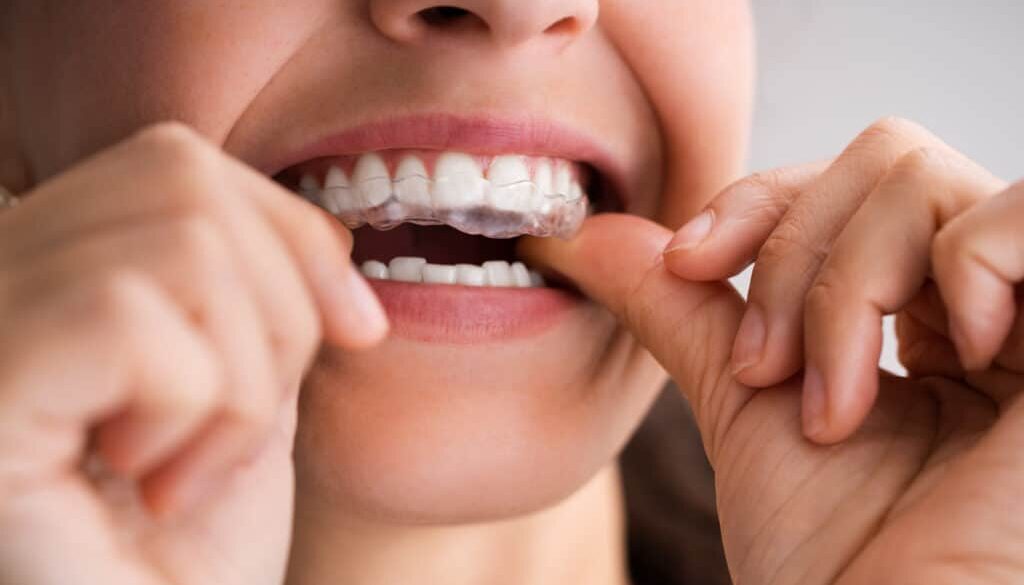
What to Expect: One of the most effective treatments for bruxism is the use of a custom-made night guard. This appliance is worn while you sleep to protect your teeth from grinding and reduce strain on your jaw.
How We Can Help: We will create a custom night guard designed specifically for your teeth and comfort. This guard will help cushion the impact of grinding and prevent further dental damage.
3. Stress Management
What to Expect: Since stress and anxiety are common triggers for bruxism, incorporating stress management techniques into your routine can be beneficial.
How We Can Help: We can provide recommendations for relaxation techniques and lifestyle changes that may help reduce your stress levels and, consequently, your bruxism symptoms.
4. Correcting Bite Issues
What to Expect: If your bruxism is related to bite misalignment or dental issues, addressing these problems can alleviate grinding.
How We Can Help: We will evaluate your bite and recommend treatments such as orthodontics or dental corrections to improve alignment and reduce the risk of bruxism.
5. Monitoring and Follow-Up
What to Expect: Managing bruxism is an ongoing process. Regular follow-up visits will help us monitor your condition and adjust your treatment plan as needed.
How We Can Help: We will continue to assess the effectiveness of your treatment and make necessary adjustments to ensure optimal results and protect your dental health.
Conclusion
Bruxism is more than just a nuisance; it can have serious implications for your dental health if left untreated. At Young Family Dental, we are dedicated to providing you with the comprehensive care and support needed to manage and treat bruxism effectively. By addressing the underlying causes and protecting your teeth, we can help you achieve relief and maintain a healthy, beautiful smile.