



When to Get Help for Cavities from Young Family Dental Highland
Cavities are one of the most common dental problems, but they’re also one of the most preventable. Early detection and treatment are key to stopping cavities before they worsen. At Young Family Dental Highland in Highland, we’re here to help you recognize the signs of a developing cavity and know when it’s time to get professional help.
What Is a Cavity?
A cavity, also called dental caries, is a small hole that forms in the hard surface of a tooth due to decay. This decay occurs when bacteria in the mouth produce acids that break down tooth enamel, the protective outer layer of your teeth. If left untreated, cavities can lead to tooth pain, infection, and even tooth loss.
Early Warning Signs of a Developing Cavity
While cavities don’t always cause immediate pain, there are several early warning signs that could indicate tooth decay. Recognizing these signs early can help you take action before the problem worsens.
1. Tooth Sensitivity
If you experience sudden sensitivity to hot, cold, or sweet foods and drinks, it could be a sign that your enamel is being compromised. Sensitivity often occurs when the decay reaches the inner layers of the tooth, exposing nerves.
2. Visible Holes or Dark Spots
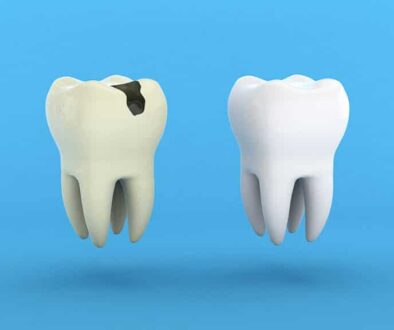
Look closely at your teeth. If you notice any visible holes, pits, or dark spots on the surface of your teeth, it could indicate the early stages of a cavity. These changes may be subtle at first, but they are usually a sign of decay.
3. Tooth Pain or Discomfort
Persistent or sharp pain when chewing, biting, or touching a tooth is a common sign that a cavity has formed. If the pain is constant, it could indicate that the decay has reached the inner tissue of the tooth (the pulp), requiring more immediate attention.
4. Bad Breath or Unpleasant Taste
A bad taste in your mouth or persistent bad breath can be a sign of tooth decay. As bacteria break down food particles and tooth enamel, they can cause foul-smelling compounds to build up in the mouth.
5. Visible Plaque or Tartar Buildup
If you notice white, sticky plaque or yellow tartar buildup along the gumline, it’s an indicator that bacteria are present and may be contributing to the development of cavities. Regular brushing and flossing can help prevent this, but if plaque persists, it’s time for a professional cleaning.
When to Seek Help from Young Family Dental Highland
If you notice any of the above symptoms, it’s important to seek dental care as soon as possible. Early intervention is crucial to preventing further damage and minimizing the need for extensive treatment. Here’s when to make an appointment:
-
Tooth sensitivity that doesn’t go away
-
Visible changes in the color or texture of your teeth
-
Pain or discomfort that lasts longer than a few days
-
Persistent bad breath or an unusual taste in your mouth
-
Difficulty chewing or biting without pain
At Young Family Dental Highland, we can perform a thorough examination and, if needed, use advanced imaging techniques like X-rays to detect cavities in their earliest stages. Our goal is to stop decay in its tracks, restore your smile, and help you maintain good oral health.
Preventing Cavities Before They Start
The best way to prevent cavities is through good oral hygiene and regular dental checkups. Here are a few tips to keep your teeth healthy:
-
Brush your teeth at least twice a day with fluoride toothpaste
-
Floss daily to remove plaque from between your teeth
-
Limit sugary and acidic foods that contribute to enamel erosion
-
Visit your dentist regularly for checkups and cleanings every six months